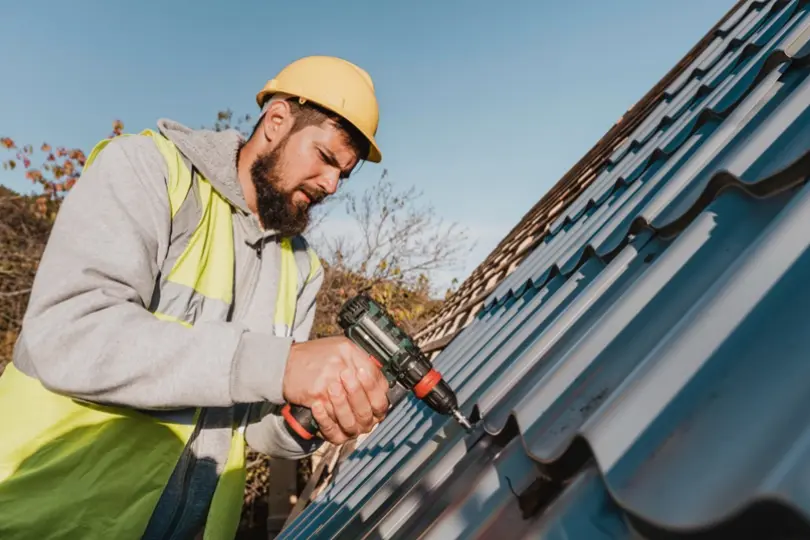
When severe weather rolls through your area, your roof takes the hardest hit. High winds, hail, torrential rain, and falling debris can wreak havoc on your roof’s integrity in minutes, leaving your home exposed to water damage, structural problems, and serious safety concerns. Knowing how to respond quickly and effectively after storm damage can make all the difference between a straightforward repair and a full-blown emergency replacement. Homeowners who jump into action and follow the right steps can keep additional damage to a minimum, navigate insurance claims more smoothly, and keep their families safe while repairs are underway.
Immediate Safety Assessment and Damage Documentation
Your first concern after any storm should always be safety; property damage comes second. Hold off on inspecting anything until the weather has completely cleared and local authorities give the all-clear. When you’re ready to check your roof, resist the temptation to climb up there, especially if you can see damage from the ground. Weakened spots might give way under your weight without warning.
Preventing Further Damage with Temporary Solutions
After you’ve got your documentation squared away, your next mission is to prevent things from getting worse. If water’s pouring into your home, set up buckets or containers under the leaks and get your furniture, electronics, and any valuables out of harm’s way. For smaller holes or openings, heavy-duty tarps can buy you some time until the pros arrive. That said, only tackle tarping if you can manage it safely from ground level or through a window. Seriously, don’t go climbing onto a damaged roof.
Get in touch with your insurance company as quickly as possible after discovering storm damage, ideally within 24 to 48 hours of the event. Most policies have prompt notification requirements, and dragging your feet can make your claim more complicated or even get it denied altogether. Share all that documentation you collected with your insurer, including your photos, videos, and detailed descriptions of what happened. They’ll send out an adjuster to evaluate the damage and figure out what’s covered, so make sure you’re there for that inspection to walk them through all the affected areas and ensure nothing gets missed.
Selecting a Qualified Emergency Roofing Contractor
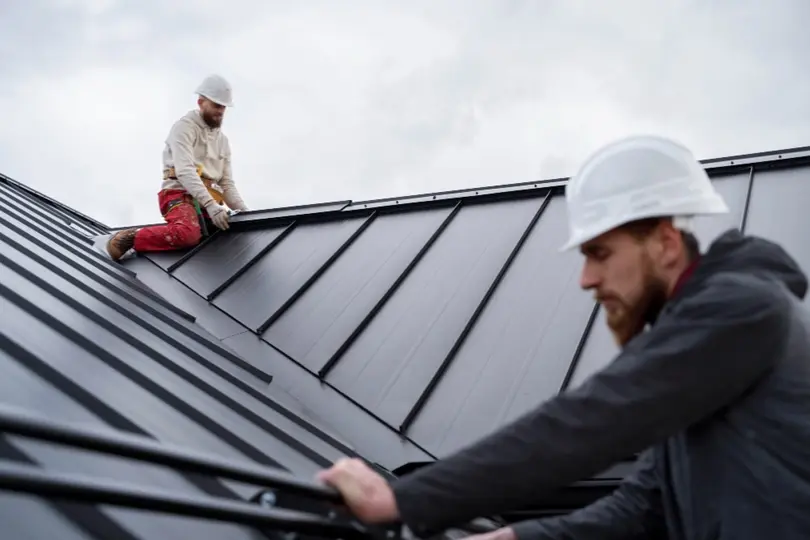
Finding the right roofing contractor during an emergency means being thorough even when you’re pressed for time. Storm-damaged areas are like magnets for sketchy contractors who deliver shoddy work, demand huge upfront payments, or vanish after pocketing your deposit. Make sure any contractor you’re considering has proper state and local licenses, carries current liability insurance and workers’ compensation coverage, and runs an established local business with references you can actually check. Get written estimates from at least three reputable companies, and don’t just compare prices; look at the materials they’re proposing, warranty terms, how long the project will take, and payment schedules.
Understanding Replacement Versus Repair Options
Not every storm that damages your roof means you need a complete replacement, but knowing when replacement actually makes more sense helps you decide wisely. Minor damage affecting less than 30 percent of your roof’s surface usually qualifies for repair, which costs considerably less and wraps up faster than tearing off the whole thing and starting fresh. However, when you’re dealing with extensive damage, structural compromise, or a roof that’s already lived most of its expected life, roof replacement often turns out to be the smarter long-term investment. Think about your roof’s age when you’re weighing repair against replacement. Most asphalt shingle roofs give you about 20 to 25 years, while metal roofs can keep going for 50 years or even longer. If you’ve had to patch things up multiple times in a short period, that’s usually a red flag pointing to bigger problems that spot fixes just won’t solve.
Timeline Expectations and Project Coordination
Getting a realistic sense of how long emergency roof replacement takes helps you manage expectations and plan your household activities around the construction schedule. Material availability plays a huge role in timing, especially right after widespread storms when suppliers run low on inventory and contractors are all competing for the same products. Under normal circumstances, standard residential roof replacements typically take anywhere from two to five days of actual work, but emergencies might stretch that timeline because of extra prep work, structural repairs, or permitting requirements. Weather conditions factor in, too, since roofing work needs dry conditions and the right temperatures for proper installation and for adhesives to cure correctly.
Conclusion
Emergency roof replacement after storm damage requires quick, organized action to protect both your home and your family. By putting safety first, documenting damage thoroughly, working smoothly with your insurance company, and choosing qualified contractors, you can handle this stressful situation successfully. Remember that the choices you make during emergencies have lasting effects on your home’s protection and value, so try to balance urgency with careful decision-making. Since you’re being forced into a replacement anyway, why not take the opportunity to upgrade your materials, improve ventilation, or boost energy efficiency? With solid planning and expert guidance, your emergency roof replacement can actually turn a disaster into a chance to enhance your home’s performance, durability, and weather resistance for the next several decades.
Photo Credit:
Photo 1, Credit to Freepik || Photo 2, Credit to Freepik (CC0 1.0)