
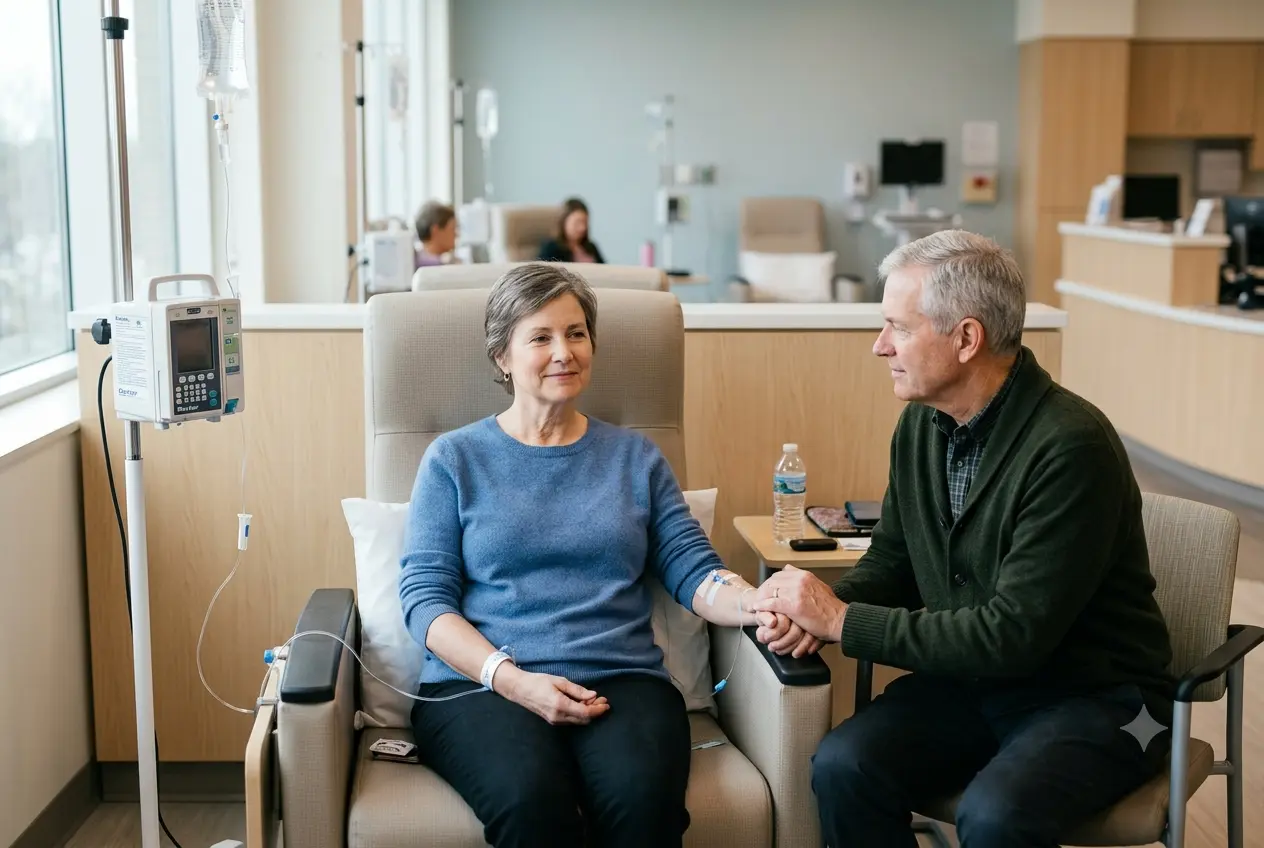
Chemotherapy is one of the most physically and emotionally demanding experiences a person can go through, and the stress associated with treatment extends well beyond the clinical side effects to encompass the logistical, financial, social, and psychological dimensions of navigating a serious illness while trying to maintain some semblance of normal life.
Patients who go into chemotherapy with thoughtful preparation, a strong support network, and strategies for managing the most common sources of treatment-related stress consistently report better quality of life during treatment and greater resilience through the challenges that arise along the way.
No approach eliminates the difficulty of chemotherapy, but there is a meaningful difference between facing it with the right tools and mindset and facing it without them, and understanding the strategies that genuinely help is one of the most valuable things a patient and their loved ones can do in preparing for this experience.
How Can a Strong Support Network Reduce Chemotherapy Stress?
One of the most important things a chemotherapy patient can do before treatment begins is to identify and organize the support network of family members, friends, neighbors, and community members who are willing to help in concrete and specific ways throughout the treatment period.
Many people in a patient’s life genuinely want to help but do not know what to offer and default to vague expressions of support that are well-meaning but hard to act on; giving people specific, practical tasks such as driving to appointments, preparing meals, handling childcare, running errands, or managing household tasks converts that goodwill into tangible relief.
Designating a primary point of contact who can coordinate volunteers, communicate updates, and manage the logistical complexity of treatment-related support removes a significant organizational burden from the patient and ensures that help is both offered and received in an organized way.
Online tools and apps designed for illness support coordination, including meal trains and scheduling platforms, make it much easier to manage the logistics of community support without the emotional labor of individually coordinating dozens of offers of help.
Patients who build a strong, organized support structure before treatment begins experience significantly less logistical stress during chemotherapy than those who navigate the support dimension informally or who try to manage too much independently out of reluctance to ask for help.
How Should Cancer Patients Prepare for Each Chemotherapy Session?
Practical preparation for individual chemotherapy infusion sessions can significantly reduce the anxiety, discomfort, and logistical stress that would otherwise accompany each appointment.
Packing a comfort bag for infusion sessions with items that make the hours-long appointments more bearable, including a warm blanket, comfortable clothing in layers, headphones and a playlist or podcast playlist prepared in advance, snacks that are currently tolerable given any taste changes, a water bottle, and something engaging to read or watch, transforms the infusion experience from something to endure into something that can be managed and even occasionally pleasant.
Planning transportation to and from each appointment in advance, particularly for sessions after which driving may be unsafe due to fatigue or medication effects, eliminates a significant source of logistical stress and ensures that safety is never compromised by uncertainty about how to get home.
Maintaining a treatment journal that tracks symptoms, questions for the oncology team, medication schedules, and the timing of side effects helps patients feel more in control of their situation and enables more productive conversations with care providers at each appointment.
Eating a light, nutritious meal before infusion sessions, staying well hydrated in the days leading up to treatment, and getting as much rest as possible in the days before each session are all physical preparations that can meaningfully reduce the severity of treatment-related fatigue and nausea.
Why Is Open Communication With Your Oncology Team Important During Chemotherapy?
The relationship between a chemotherapy patient and their oncology care team is one of the most important partnerships in the entire treatment journey, and open, honest, and proactive communication with that team is one of the most powerful tools a patient has for reducing treatment-related stress.
Patients who speak up promptly about side effects, concerns, questions, and emotional challenges give their care team the information needed to intervene early with supportive care measures that can significantly improve quality of life during treatment, while those who minimize or conceal their difficulties out of a desire not to be a burden often suffer unnecessarily with problems that their team could address.
Preparing a list of questions and concerns before each appointment ensures that the time with the oncology team is used as productively as possible and that nothing important is forgotten in the moment. Patients receiving chemotherapy in Sierra Vista at Cochise Oncology benefit from a team that brings both clinical expertise and a genuine commitment to supporting patients through every aspect of the chemotherapy experience, including the emotional and practical dimensions that go beyond the clinical administration of treatment.
Understanding the expected side effects of the specific chemotherapy regimen being administered, and knowing what symptoms warrant an immediate call to the care team versus those that can be managed at home, gives patients a framework for decision-making that reduces anxiety and ensures that urgent concerns receive timely attention.
How Can Cancer Patients Manage the Emotional Stress of Chemotherapy?
The emotional burden of a cancer diagnosis and chemotherapy treatment is profound, and addressing the psychological dimensions of the experience with the same seriousness as the physical ones is essential for the overall well-being and resilience of the patient through what is often an extended and grueling process.
Oncology social workers, psychologists, and counselors who specialize in working with cancer patients offer support that is specifically calibrated to the emotional landscape of cancer treatment, including the fear, grief, anger, uncertainty, and identity challenges that commonly accompany diagnosis and treatment.
Support groups, whether in-person or online, connect patients with others who are going through similar experiences in ways that can be profoundly validating and practically helpful, as shared experience creates a depth of understanding that even the most supportive family members and friends cannot fully provide.
Mindfulness practices, meditation, gentle yoga, and other stress-reduction techniques have been shown in research with cancer patients to meaningfully reduce anxiety, improve mood, and even improve some physical symptoms and treatment tolerance when practiced consistently during chemotherapy.
Caring for mental and emotional health during chemotherapy is not a luxury or an afterthought; it is a clinically meaningful component of the overall treatment approach that deserves active attention and appropriate professional support.
How Does Maintaining a Normal Routine Help During Chemotherapy?
One of the most effective psychological strategies for managing the stress of chemotherapy is maintaining as much normal routine and activity as is physically possible during treatment, as the disruption of familiar routines and the loss of previously enjoyed activities is itself a significant source of distress that compounds the stress of the illness and treatment.
Patients who are able to continue working, even part-time or in modified roles, during chemotherapy frequently report that the sense of purpose, productivity, and connection to their professional identity that work provides is one of the most important psychological buffers they have during treatment.
Gentle physical activity, particularly walking, has been shown in multiple studies to reduce chemotherapy-related fatigue, improve mood, support immune function, and improve overall quality of life during treatment in ways that make it one of the highest-value self-care practices available to patients who are physically able to engage in it.
Maintaining social connections, even when energy is limited and the logistics of socializing require more planning than usual, preserves the sense of belonging and normalcy that is an important counterweight to the illness experience. The goal is not to pretend that chemotherapy is not happening but to preserve as much of the texture of normal life as possible around it, which gives patients a psychological anchor and a reminder that their identity extends far beyond the role of cancer patient.
Conclusion
Making chemotherapy less stressful is not about minimizing the genuine difficulty of the experience but about approaching it with the preparation, support, communication, and psychological strategies that make a real and meaningful difference in quality of life during treatment.
Patients who invest in building strong support networks, preparing practically for each session, communicating openly with their care team, addressing their emotional health, and maintaining as much normal routine as possible consistently navigate the chemotherapy experience more successfully than those who face it without these resources. Every patient’s journey is unique, but the strategies that reduce stress and support resilience are broadly applicable and genuinely make a difference.
About The Author:
James Bennett is a freelance health writer and researcher with a passion for translating complex medical information into clear, engaging content. With a background in journalism and a special interest in men’s health, James has spent the past decade crafting articles that empower readers to take charge of their well-being. His work often focuses on critical topics like prostate cancer, radiotherapy, and advancements in medical care, helping to demystify these issues for a wide audience. Outside of writing, James enjoys hiking, reading, and volunteering with local health advocacy organizations to promote awareness of early detection and preventive care.
Medical disclaimer: This content is for informational purposes only and is not a substitute for professional medical advice.