
Last Updated: May, 2026
TL;DR: Health certification classes give beginners a solid starting point across nutrition, fitness, first aid, mental health, and long-term habits. The CPR and first aid section is arguably the most practical of the 5, since those skills translate directly to real emergencies. The gap most beginners don’t think about is what happens after the certificate: skills fade faster than people expect, and the type of course matters as much as completing one.
In the pursuit of a healthier lifestyle, education is paramount. Knowing how to nourish our bodies, maintain physical fitness, and understand basic first aid can make all the difference in times of need.
This is where essential health certification classes for beginners step in, providing foundational knowledge that empowers individuals to take charge of their well-being and that of others.
5 Essential Health Certification Classes for Beginners
Whether you’re a novice or someone looking to refresh your skills, these health certification classes offer a comprehensive introduction to key aspects of health and safety.
1. Nutrition Basics: Fueling Your Body
A good diet forms the cornerstone of good health. However, with the abundance of conflicting information out there, navigating the world of nutrition can be daunting. Essential health certification classes often start with a focus on nutrition basics.
Participants learn about macronutrients (carbohydrates, proteins, and fats), micronutrients (vitamins and minerals), and the importance of maintaining a balanced diet. Understanding how to read food labels, differentiate between healthy and unhealthy foods, and plan nutritious meals is emphasized.
By the end of these classes, beginners gain the knowledge needed to make informed dietary choices, fostering a healthier relationship with food and promoting overall wellness.
Read also: 5 Benefits of Becoming a Certified Pharmacy Technician
2. Fitness Fundamentals: Building a Strong Foundation

Exercise is another critical component of a healthy lifestyle, but it’s essential to approach it safely and effectively.
Beginners in health certification classes are introduced to fitness fundamentals that cover a range of topics, including different types of exercise, proper form and technique, and the importance of warming up and cooling down.
From cardio to strength training, participants learn how to design a well-rounded fitness routine tailored to their goals and abilities.
Additionally, classes may delve into the benefits of physical activity for both physical and mental health, motivating individuals to incorporate regular exercise into their daily lives.
3. CPR and First Aid: Being Prepared for Emergencies
Accidents and medical emergencies can happen anywhere, anytime. Being equipped with basic first aid and CPR (Cardiopulmonary Resuscitation) skills can be life-saving in such situations.
Many organizations and community centers offer CPR certification courses, some of which may even be free of charge. These free CPR classes provide participants with the necessary training to recognize emergencies, assess the situation, and administer appropriate care until professional help arrives.
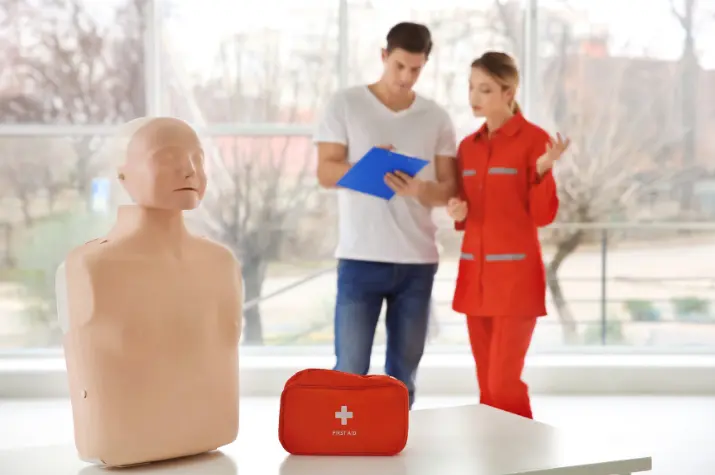
Through hands-on practice and simulations, beginners gain confidence in their ability to respond effectively to emergencies, potentially saving lives in the process. Skills such as performing chest compressions, delivering rescue breaths, managing choking incidents, and applying bandages are covered in-depth.
Through hands-on practice and simulations, beginners gain confidence in their ability to respond effectively to emergencies, potentially saving lives in the process.
And if you’re based in Newcastle, it’s worth going deeper than a basic CPR class. There’s a lot more to cover, including how different industries face completely different emergency risks, which course type actually meets HSE requirements, and why a 3-year-old certificate probably won’t hold up under pressure. We put together a detailed guide on first aid training courses Newcastle that gets into all of it.
4. Mental Health Awareness: Nurturing Mind and Spirit

In recent years, there has been a growing recognition of the importance of mental health in overall well-being.
Health certification classes now often include modules on mental health awareness, covering topics such as stress management, mindfulness, and seeking help when needed.
Participants learn to recognize signs of mental distress in themselves and others, as well as strategies for coping with everyday stressors.
By fostering a greater understanding of mental health issues and reducing the stigma surrounding them, these classes contribute to creating a more supportive and empathetic community.
5. Healthy Habits for Life: Sustaining Positive Change
Ultimately, the goal of essential health certification classes for beginners is not just to impart knowledge but to instill lasting habits that promote health and wellness.
Participants are encouraged to set realistic goals, track their progress, and make adjustments along the way. Through ongoing support and resources provided in these classes, individuals are empowered to continue their journey toward better health long after the course has ended.
By fostering a sense of empowerment and accountability, these classes lay the groundwork for a lifetime of positive habits and well-being.
Conclusion
In a world where health concerns are increasingly prevalent, equipping oneself with essential health certification classes for beginners is a proactive step towards a healthier and happier life.
From nutrition and fitness to CPR and mental health awareness, these classes provide the knowledge and skills needed to navigate the complexities of modern-day wellness.
Whether you’re a novice looking to kickstart your journey to better health or someone seeking to refresh their existing knowledge, there’s much to gain from investing in these foundational classes. By taking charge of your health education today, you pave the way for a brighter, healthier future tomorrow.
FAQs
Which health certification should a complete beginner start with?
CPR and first aid are usually the best starting point because the skills are immediately applicable in everyday situations, at home, at work, or in public. Nutrition and fitness certifications are valuable, but they’re harder to use urgently. The HSE recommends that workplaces have trained first aiders on site, so a basic first aid qualification also carries professional weight early on.
How long does a CPR certification last?
Most CPR certifications are valid for 2 years before requiring renewal. The practical issue is that skill quality drops much faster: research published in the Resuscitation journal shows CPR technique degrades noticeably within 3 to 6 months without practice. A renewal course every 2 years keeps you compliant, but short refresher drills every few months keep you actually ready.
Are free CPR classes worth taking?
Yes, for building basic awareness and getting comfortable with the concept. Community organisations and some employers offer free CPR sessions that cover compression technique and AED use. They’re a solid starting point, especially for people who’ve never touched a mannequin. For a workplace-recognised qualification, you’ll need a regulated course with formal practical assessment, as the HSE specifies hands-on evaluation for official first aid certifications.
Can you combine multiple health certifications?
Yes, and it’s worth doing. Many providers offer combined courses that cover first aid alongside mental health first aid, since both skill sets come up in real situations and the crossover is significant. The HSE’s Working Minds campaign explicitly encourages employers to treat physical and mental health preparedness as part of the same programme rather than separate training streams.
Do health certification classes count as professional development?
They can, depending on your employer and industry. First aid at work qualifications are widely recognised as formal professional credentials. Mental health first aid certification is increasingly listed as a required qualification in HR, teaching, and care sector job postings. Nutrition and fitness certifications carry formal weight if they’re accredited, so it’s worth checking that any course you take is registered with a recognised body like Skills for Health before you enrol.
About The Author:
Stacey Smith is a freelance health writer. She is passionate about writing about women’s health, dental health, diabetes, endocrinology, and nutrition, and provides in-depth features on the latest in health news for medical clinics and health magazines.