
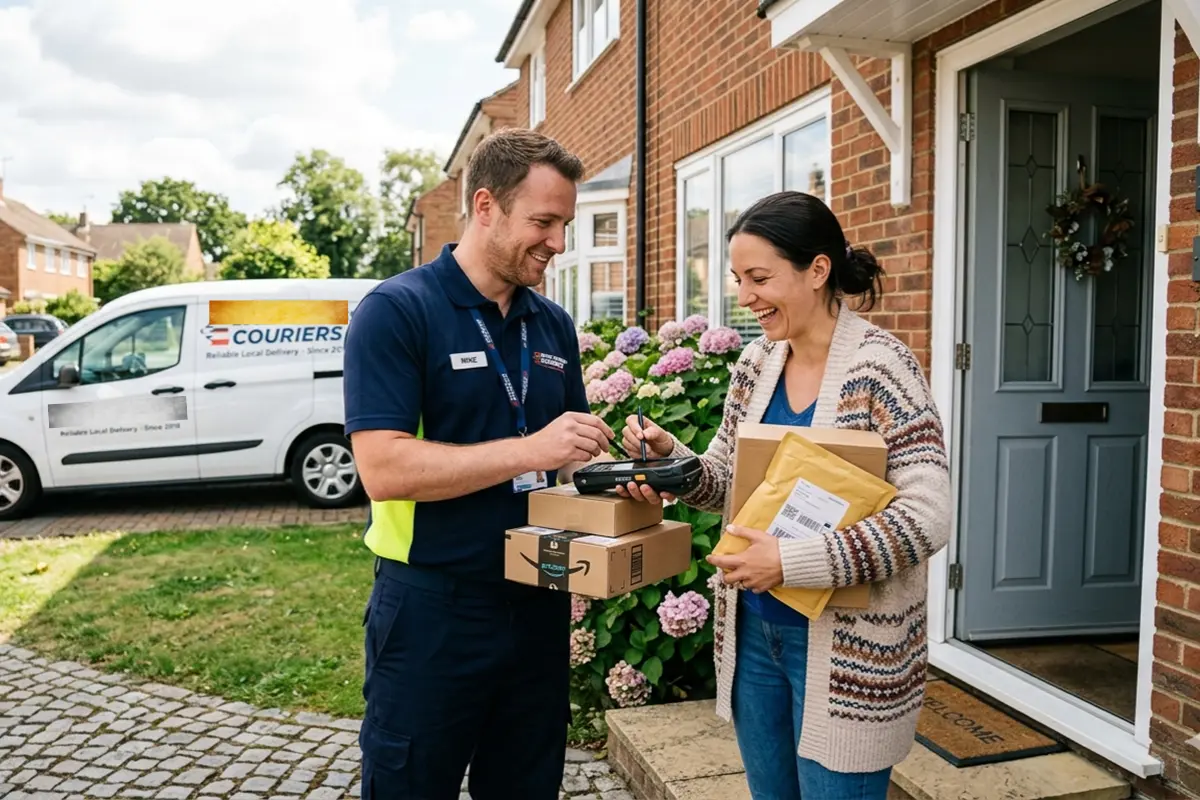
TL;DR: Essex is a major hub for logistics in 2026, driven by record e-commerce growth in areas like Tilbury and Basildon. To start, you need a clean Category B licence, a basic DBS check, and the right insurance. This guide breaks down the latest 2026 licensing rules, Essex-specific pay rates, and the practical steps to land your first role as a local delivery driver.
The courier jobs market across Essex has expanded significantly in recent years. Online shopping has grown at a rapid pace, and the demand for last-mile delivery drivers has grown with it. For many people living in counties like Essex, this represents a real and accessible employment opportunity. Getting started means understanding exactly what qualifications and paperwork are required before applying.
With 98% of e-commerce brands forecasting growth in order volumes through 2026, the logistics sector is one of the most stable employers in the region. Whether you are looking at depots in Chelmsford or the massive fulfillment centers near the Dartford Crossing, the opportunities for courier jobs Essex are plentiful.
What Qualifications Do You Need for Courier Jobs in Essex?
To work as a van courier in Essex, you generally only need a full UK Category B driving licence. This allows you to drive vehicles up to 3,500kg. You must also pass a basic Disclosure and Barring Service (DBS) check and prove your right to work in the UK via a share code.
The 4-Point Qualification Checklist
Here is a quick summary of the baseline requirements for most Essex-based delivery roles:
- Full UK Category B Licence: You must have held your standard car licence for at least 12 months.
- Clean Driving Record: Most employers look for a clean licence, though they may accept up to 6 minor points.
- Valid Basic DBS Check: A criminal record check is standard for anyone delivering to residential addresses or schools.
- Proof of Right to Work: You will need to provide your UK Share Code or relevant documentation during the induction process.
Most logistics companies prefer applicants who have held a full licence for at least one year and have a clean driving record. Honesty is vital here. Many operators conduct formal checks, and a small number of minor points might be okay, but serious convictions like drink-driving will typically disqualify you. It is also important to understand occupational health and safety to ensure you can handle the physical nature of the work.
Licensing Requirements: The Category B Standard
For most van-based courier roles, a full UK Category B driving licence is all that is required. This is the standard car licence that most adults in the UK hold. The van must fall within certain weight limits for this licence category to apply. Vehicles up to 3,500 kilograms gross vehicle weight are covered.
Interestingly, 2026 regulations now offer more flexibility for green fleets. New rules allow Category B holders to drive zero-emission vehicles up to 4,250kg without extra training. This helps Essex couriers transition to electric vans, which are becoming standard in low-emission zones. If you want to drive larger diesel vehicles over 3,500kg, you would still need a Category C1 or C licence.
How Much Do Courier Drivers Earn in Essex?
As of 2026, the average delivery driver in Essex earns approximately £161 per day, with hourly rates typically ranging between £13.50 and £19.00. Salaries can vary by city, with Chelmsford and Brentwood often offering higher daily rates exceeding £200 for experienced couriers or specialized delivery routes.
Pay structures vary significantly across the county. Some roles offer a fixed daily rate, while others pay per drop. Understanding this helps you manage your income expectations. Many drivers find that the consistent movement helps them stay active and healthy, turning a job into a fitness opportunity.
The Realities of Multi-Drop Delivery in the County
Courier work in Essex typically means multi-drop delivery driving. A driver completes a round of parcel drops across a set route each day. These routes often cover towns like Chelmsford, Basildon, Colchester, and Barking. Drivers generally use a medium-sized van and are expected to complete anywhere from 60 to 120 drops during a single shift.
The work suits people who are comfortable driving for long periods and interacting with the public. It does not require a degree, which makes it a popular choice for school leavers and career changers. However, long hours behind the wheel mean you must prioritize mental health for drivers to avoid burnout. Staying focused during an 8-hour shift is easier when you remember to stay hydrated on the road throughout the day.
Pro Tip: Navigating the Essex road network requires more than just a GPS. Most local routes center around the A12, A127, and the A13 corridors, which can become heavily congested during peak morning and afternoon delivery windows. Expert couriers in the region often plan their drops to avoid the M25 junction near Thurrock during rush hour, as delays there can impact your entire daily schedule. Familiarity with these local transit hubs is a significant advantage when applying for roles at the major depots in Purfleet or Harlow.
Do I Need My Own Van to Work as a Courier?
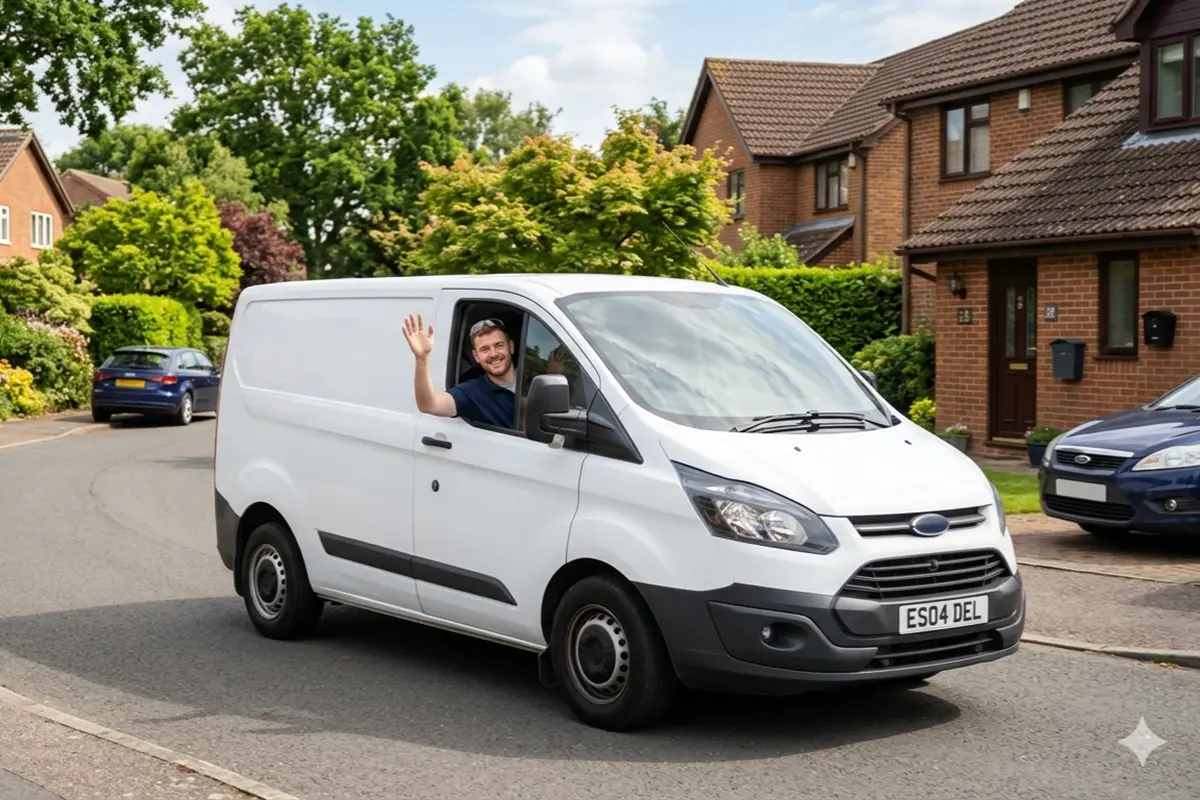
Whether you need a van depends on your employment status. Employed couriers are usually provided with a company vehicle, fuel card, and insurance. Self-employed “owner-drivers” must provide their own van (usually less than 5 years old) and carry specialized “Hire and Reward” insurance to legally transport goods for payment.
If you choose the self-employed route, remember that van insurance and maintenance costs fall to you. You’ll also need to account for your own tax and National Insurance contributions.
Understanding Courier Insurance and Background Checks
Beyond licensing, you must pass a basic Disclosure and Barring Service (DBS) check. As of 2026, a basic DBS check costs roughly £21.50, plus any administration fees. This is standard for roles delivering to residential addresses.
Insurance is the other major hurdle. Standard car insurance does not cover courier work. You must have “Hire and Reward” cover. Recent data shows that the average annual car insurance in early 2026 is around £529.15, but courier-specific policies are often significantly higher due to the increased mileage and risk associated with frequent stops.
Honesty about your driving record is essential. Even minor offenses, like those mentioned in our guide on alcohol and driving safety, can disqualify you from the best-paying roles.
The demand for courier jobs Essex isn’t slowing down. With the right licence and a clean background check, you can enter a field that offers both flexibility and stability. Remember to double-check your licence categories, decide between being an employee or an owner-driver, and prepare your paperwork before applying.
Ready to hit the road? Start looking at local depot openings in Basildon or Chelmsford today to secure your spot in this growing industry.
Frequently Asked Questions
1. Can I be a courier if I have points on my licence?
Yes, many employers accept up to 6 minor points, such as those for speeding. However, major convictions like driving without insurance or drink-driving will usually result in an automatic rejection.
2. What is a DVLA check code, and why do I need it?
A DVLA check code is a unique, one-time code you generate online to let employers view your driving record. It confirms your licence categories and any active penalty points or disqualifications.
3. How many parcels do couriers in Essex deliver daily?
Most multi-drop couriers in Essex deliver between 60 and 120 parcels per shift. This depends on whether the route is “tight” (many stops close together in a town) or “rural” (longer driving times between drops).
4. Do I need special insurance to deliver food or parcels?
Yes, you must have “Hire and Reward” insurance. According to industry standards, a standard “Social, Domestic, and Pleasure” policy is void the moment you accept payment for delivering goods.
5. Is there a minimum age for courier jobs in Essex?
While you can drive a car at 17, most courier companies require drivers to be at least 18 or 21. This is often due to the requirements of their fleet insurance providers.
About The Author:
Jake Rivers has loved nothing more than cars since he bought his first Mustang back in 2000, until he had his first daughter, Ellie, of course. After writing about sports cars for over a decade, he’s switched gears to focus on the practical side of driving: safety and local logistics. He figures sharing road-readiness tips for new couriers is the best way to combine his passion for motors with his goal of keeping the community safe.