
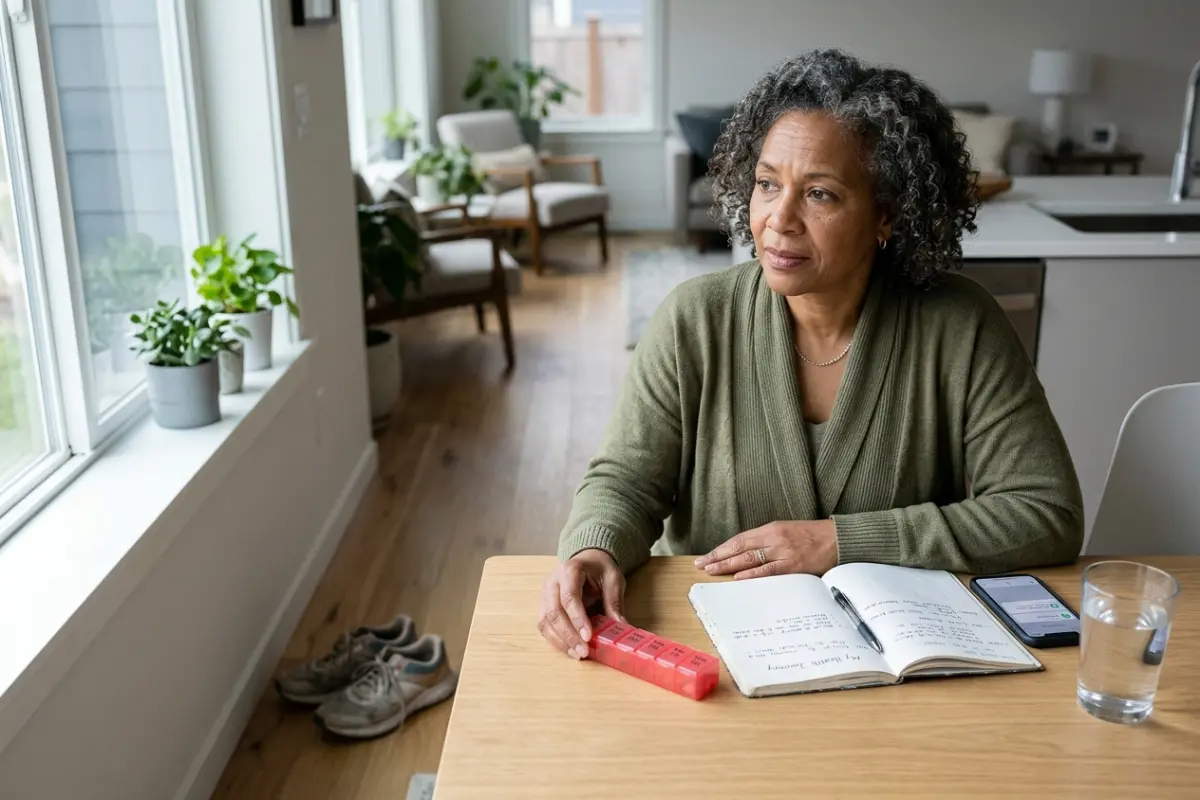
Living with a chronic disease can be physically, emotionally, and mentally exhausting. Conditions such as diabetes, autoimmune disorders, heart disease, chronic pain, and other long-term health concerns often affect nearly every aspect of daily life. Many individuals feel as though their condition has taken control of their schedules, relationships, and future plans.
While managing a chronic disease can be challenging, it is possible to regain a sense of control and improve overall quality of life. By taking a proactive approach to health management and building the right support system, many people discover that their condition does not have to define them. Reclaiming your life starts with focusing on what you can control and making consistent progress toward better well-being.
How Can Learning About Your Chronic Disease Help You Take Control?
Learning about your chronic disease can help you understand your treatment, recognize important symptoms, and make informed decisions with your healthcare team. Use trusted medical sources and ask questions during appointments rather than relying on random health information online.
Knowledge is one of the most powerful tools available when dealing with a chronic illness. Understanding your diagnosis, treatment options, triggers, and management strategies allows you to make informed decisions about your health. Patients who actively participate in their care often feel more confident and empowered.
Ask questions during medical appointments and seek information from trusted healthcare professionals. Becoming educated about your condition can reduce uncertainty and help you better navigate daily challenges. The more informed you are, the more effectively you can advocate for your own health needs.
- What is my main diagnosis?
- What symptoms should I monitor?
- What treatments am I using?
- What side effects should I report?
- What changes should I make at home?
- When should I contact my healthcare provider?
Who Should Be Part of Your Chronic Disease Healthcare Team?
Your healthcare team may include a primary care provider, specialists, nurses, therapists, pharmacists, dietitians, or other professionals depending on your condition. Good communication between these professionals can help keep your treatment plan organized and aligned with your needs.
Managing a chronic disease often requires support from multiple healthcare providers. Working with doctors, specialists, therapists, nutritionists, and other professionals can help create a comprehensive care plan. Open communication with your healthcare team allows treatment plans to be adjusted as your needs change.
Keep a simple health record that includes:
- Your current medicines
- Supplements you take
- Allergies
- Major diagnoses
- Recent test results
- Names of healthcare providers
- Important symptoms or changes
- Questions you want to ask at your next appointment
Consistent follow-up appointments can help identify concerns before they become more serious. A collaborative approach often leads to better health outcomes. Having trusted professionals on your side provides valuable guidance and support throughout your journey.
What Small Changes Can Make Chronic Disease Management Easier?
Trying to make dramatic lifestyle changes all at once can feel overwhelming. Instead, focus on making small, manageable improvements that can be maintained long term. This may include adding more physical activity, improving sleep habits, reducing stress, or making healthier food choices.
Small improvements often build momentum and create lasting results. Consistency is usually more important than perfection. Every positive step contributes to better overall health and quality of life. Sustainable habits tend to provide the greatest long-term benefits.
You might:
- Add a short walk to your routine if physical activity is appropriate for you.
- Create a consistent bedtime routine.
- Prepare one healthier meal each day.
- Set reminders for prescribed medicines.
- Schedule an overdue medical appointment.
- Take short breaks during long periods of sitting.
- Practice a simple stress-management technique.
Don’t measure success by perfection.
A difficult day doesn’t erase the progress you’ve already made. The goal is to build habits that you can continue even when life becomes challenging.
How Do Nutrition and Physical Activity Support Chronic Disease Management?
Healthy eating and regular movement can play a major role in managing many chronic conditions. Proper nutrition provides the body with essential nutrients needed to support overall wellness. Physical activity may improve energy levels, mobility, cardiovascular health, and mood.
The right approach depends on the individual’s condition and abilities, so it is important to work with healthcare professionals when developing a plan. Even moderate improvements can make a meaningful difference over time. Supporting physical health often contributes to improved emotional well-being as well.
The World Health Organization says regular physical activity can help prevent and manage several noncommunicable diseases and can support mental health, quality of life, and overall well-being.
Can Personalized Treatment Help You Manage a Chronic Disease?
Every person experiences chronic illness differently. As a result, treatment plans should be tailored to individual needs rather than relying on a one-size-fits-all approach. Some individuals explore functional medicine treatment in Longmont and similar personalized healthcare approaches that focus on identifying potential underlying contributors to chronic health concerns while addressing lifestyle factors and overall wellness.
Working with qualified healthcare providers can help individuals determine which approaches align best with their goals and medical needs. Personalized care often leads to more effective long-term management strategies.
How Can You Protect Your Mental Health While Living With Chronic Disease?
Chronic disease can affect more than your physical health. Stress, anxiety, sadness, frustration, and isolation can make daily life harder, so emotional support should be treated as part of your overall health plan.
Living with a chronic disease can place a significant emotional burden on individuals and their families. Feelings of frustration, anxiety, sadness, and isolation are not uncommon. Seeking support through counseling, support groups, or trusted friends and family members can be incredibly beneficial.
Emotional well-being is an important part of overall health and should not be overlooked. Developing healthy coping skills can help improve resilience during difficult periods. Strong mental health support often contributes to better disease management and a more positive outlook.
Why Is a Support Network Important When You Have a Chronic Disease?
You do not have to manage a chronic disease alone. Building a strong support system can make a tremendous difference in your quality of life. Loved ones can provide encouragement, practical assistance, and emotional support when challenges arise.
Connecting with others who have similar experiences can also offer valuable insight and reassurance. Support networks help reduce feelings of isolation and create opportunities for learning and growth. Strong relationships often become an important source of strength during difficult times.
How Should You Set Goals When Living With a Chronic Disease?
Chronic illness can sometimes make long-term planning feel difficult. Setting realistic, achievable goals can help create a sense of progress and accomplishment. Focus on goals that support both your health and your overall quality of life.
Celebrating small victories can build confidence and motivation. Progress may not always be linear, but consistent effort often leads to meaningful improvements. Realistic expectations can reduce frustration and help maintain a positive mindset.
What Can You Control When You Have a Chronic Disease?
While you may not be able to eliminate your condition entirely, there are often many aspects of your health and lifestyle that remain within your control. Focusing on healthy habits, medical compliance, stress management, and personal well-being can help create a greater sense of empowerment.
Directing energy toward things you can influence often reduces feelings of helplessness. Taking ownership of your health journey can help you regain confidence and purpose. Small actions performed consistently can have a powerful cumulative effect.
Conclusion
Reclaiming your life while living with a chronic disease is possible through education, support, healthy lifestyle choices, and proactive healthcare management. By building a strong healthcare team, addressing both physical and emotional wellness, and exploring personalized options, individuals can create a path toward improved quality of life. While challenges may remain, a thoughtful and consistent approach can help restore confidence, independence, and a renewed sense of hope.
Frequently Asked Questions
Can you live a fulfilling life with a chronic disease?
Yes. Living with a chronic disease can be difficult, but it doesn’t have to define your entire life. Learning about your condition, following your treatment plan, building support, and focusing on manageable daily habits can help you regain a sense of control. CDC guidance on living with chronic conditions supports active self-management and ongoing care.
What is the best way to manage a chronic disease every day?
Daily management usually starts with understanding your condition and following the treatment plan created with your healthcare professional. Taking medicines as prescribed, monitoring your health when instructed, staying appropriately active, eating well, and attending follow-up appointments can all be part of chronic disease management. CDC chronic disease guidance provides practical self-management information.
Can exercise help people with chronic diseases?
Appropriate physical activity can provide important health benefits for people living with many chronic conditions. The type and amount of activity should match your health status, abilities, and medical needs, so talk with a healthcare professional if you’re unsure what is safe for you. CDC guidance on physical activity for chronic conditions explains how activity can support health and independence.
How can you protect your mental health while living with a chronic illness?
Make emotional health part of your overall care plan instead of treating it as a separate issue. Talking with trusted people, joining a support group, learning healthy ways to manage stress, or speaking with a mental health professional can help when chronic illness causes ongoing stress, sadness, anxiety, or isolation. MedlinePlus guidance on coping with chronic illness provides additional support options.
Should you try alternative or complementary treatments for a chronic disease?
Some complementary approaches may help with certain symptoms or conditions, but they aren’t automatically safe or effective for everyone. Talk with your healthcare professional before adding a supplement or complementary treatment, especially because some products can interact with medicines or cause side effects. NCCIH safety guidance explains what to consider before using complementary health products and practices.
About The Author:
James Bennett is a freelance health writer and researcher with a passion for translating complex medical information into clear, engaging content. With a background in journalism and a special interest in men’s health, James has spent the past decade crafting articles that empower readers to take charge of their well-being. His work often focuses on critical topics like prostate cancer, radiotherapy, and advancements in medical care, helping to demystify these issues for a wide audience. Outside of writing, James enjoys hiking, reading, and volunteering with local health advocacy organizations to promote awareness of early detection and preventive care.