
Residency is a crucible for growth, shaping not only clinical competency but also the mindset and leadership capacity that will define a physician’s entire career. While the primary focus is mastering patient care, the most forward-thinking residents seek experiences that expand their perspective beyond the bedside. The best programs do more than train a clinician. They cultivate collaborators, problem solvers, advocates, and innovators. Choosing to get involved in the right initiatives during residency can accelerate professional maturity, build a durable network, and set the stage for long-term impact.
1. Quality Improvement And Patient Safety
Every healthcare system runs on processes that can always be improved. Quality Improvement and Patient Safety programs give residents a structured way to learn how change actually happens. These initiatives allow residents to identify problems at the unit level, measure them in a rigorous way, and implement interventions designed to deliver measurable gains. Residents who learn to translate bedside observations into system solutions become trusted voices among nurses, administrators, and attending physicians. They understand run charts, root cause analysis, and the human factors that shape outcomes. They see that the right process can reduce length of stay, prevent readmissions, and avoid near misses. This is the crucible where leadership habits form. Communication sharpens. Stakeholder engagement becomes natural. Data literacy grows. The resident begins to recognize patterns that inform better decisions. Beyond the immediate project, the mindset shift is profound. The physician is no longer only treating one patient. They are shaping an environment that will benefit every patient who walks through the door.
2. Health Equity And Community Engagement
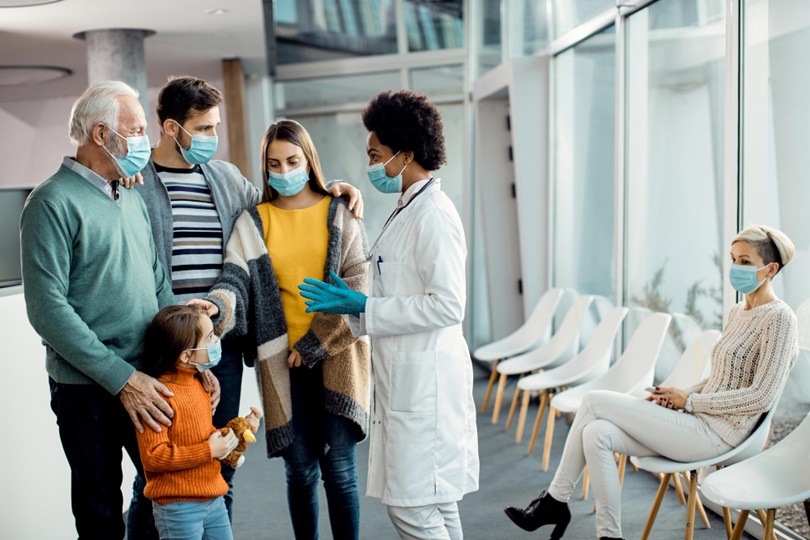
Residency is also the time to look beyond the hospital walls. Participating in community health or health equity programs broadens a resident’s understanding of the structural drivers of disease. Outreach clinics, mobile care units, and partnerships with local organizations reveal the realities patients face long before they present to triage. Food insecurity, housing instability, lack of transportation, and limited access to primary care become real rather than abstract. Residents who engage here learn to connect patients to resources and advocate for policies that remove barriers. They begin to integrate social determinants of health into care plans. They learn a language that builds trust across cultural lines. They learn to listen. Community engagement also reframes burnout risk by reconnecting the resident with the meaning behind the work. Seeing tangible improvements in vaccination uptake, chronic disease control, or prenatal care attendance reinforces the value of prevention and continuity. This perspective will inform decisions for years, from clinic workflows to research questions to institutional priorities.
3. Leadership And Management Development
Clinical excellence is foundational, yet modern healthcare also demands operational fluency. Residents who engage in leadership and management development programs build competencies that many clinicians only discover later in their careers. Budget basics, change management, negotiation, strategic planning, and cross-functional collaboration are not luxuries. They are the tools that enable physicians to drive sustainable improvements. Exposure to committees, task forces, or administrative shadowing demystifies how decisions are made and funded. Journal clubs and research remain important, but learning how to run a meeting, craft a business case, and mentor junior teammates carries compounding returns. This is where a resident may first imagine a path toward becoming a physician executive who can translate bedside wisdom into organization-wide strategy. Even for those who remain primarily clinical, these leadership skills elevate everyday practice. Communication with nursing strengthens. Scheduling becomes more humane. Care pathways are designed with both patient outcomes and team wellbeing in mind.
Integrating The Three For Maximum Impact
While each program area carries distinct benefits, the real transformation happens when they intersect. A quality improvement project informed by community data becomes more relevant and more effective. A leadership curriculum grounded in patient safety cases becomes more compelling and more memorable. Residents who weave these threads together begin to see healthcare as a living system rather than a series of isolated tasks. They develop the confidence to pilot small changes, measure results, and scale what works. They learn to bring the right voices into the room. They earn credibility through consistent, authentic collaboration.
Conclusion
Residency is demanding, but it is also a remarkable window for purposeful growth. Getting involved in Quality Improvement and Patient Safety, Health Equity and Community Engagement, and Leadership and Management Development builds the capabilities that modern medicine requires. These programs sharpen clinical judgment, deepen empathy, and expand influence. They help residents move from reactive problem-solving to proactive system design. Whether a physician aspires to remain fully clinical or to evolve into a physician executive, the habits formed in these arenas create durable value for patients, teams, and institutions. With deliberate engagement, residents emerge not only as skilled clinicians but as leaders ready to shape the future of care.
Photo Credit:
Photo 1, Credit to Freepik || Photo 2, Credit to Freepik (CC0 1.0)