
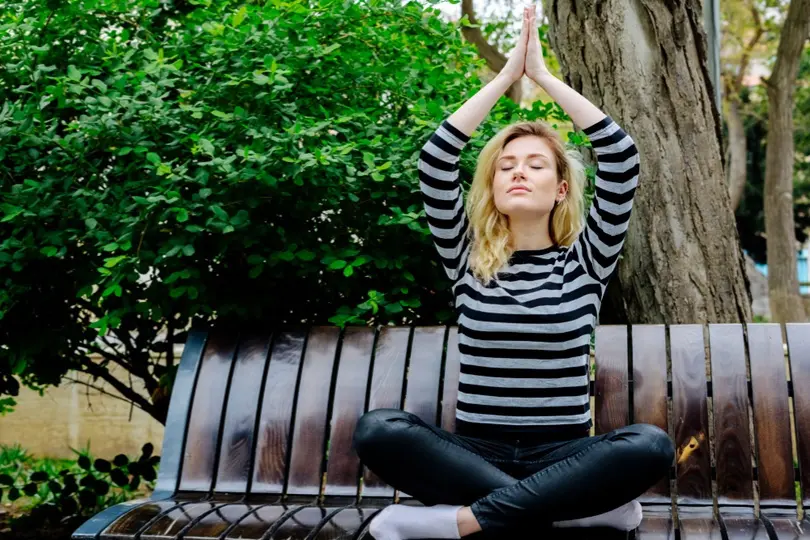
Anxiety is a common experience in today’s fast-paced world, often triggered by work stress, personal challenges, or even environmental factors. While clinical treatments and medications are available, many people seek natural methods to manage their symptoms and restore a sense of calm. These approaches can be gentle, effective, and empowering, offering long-term benefits without the side effects associated with pharmaceuticals. From lifestyle changes to holistic remedies, several natural strategies can help reduce anxiety and promote emotional well-being.
1. Use Movement and Exercise for Natural Anxiety Relief
Physical activity is one of the most reliable ways to reduce anxiety naturally. Exercise releases endorphins, which are chemicals in the brain that act as natural mood lifters, and helps regulate stress hormones like cortisol. Activities such as walking, swimming, yoga, and dancing not only improve physical health but also provide mental clarity and emotional resilience. Even short bursts of movement throughout the day can make a noticeable difference. For those who prefer a more meditative approach, practices like tai chi and qigong combine gentle movement with breath control, fostering a deep sense of relaxation.
2. Improve Your Sleep Routine for Better Emotional Balance
Sleep plays a critical role in emotional regulation and mental health. Poor sleep can exacerbate anxiety, while consistent, restorative rest helps the brain process emotions and recover from daily stress. Establishing a regular sleep routine can improve sleep quality. Creating a calming bedtime environment by limiting screen time, reducing noise, and using soft lighting can also support better rest. Herbal teas such as chamomile or valerian root, as well as magnesium supplements, may aid relaxation and sleep onset.
To improve sleep naturally:
- Limit screen time before bed
- Keep your room dark and quiet
- Use calming lighting
- Drink herbal teas like chamomile or valerian root
- Consider magnesium supplements (if approved by your healthcare provider)
3. Eat Calming, Nutrient-Dense Foods for Anxiety Support

Diet has a profound impact on mood and anxiety levels. Consuming whole, nutrient-dense foods can stabilize blood sugar, reduce inflammation, and support brain function. Omega-3 fatty acids found in flaxseeds, walnuts, and fatty fish are known to reduce anxiety symptoms. Fermented foods like yogurt, kimchi, and sauerkraut promote gut health, which is closely linked to mental well-being through the gut-brain axis. Avoiding excessive caffeine, sugar, and processed foods can prevent spikes in anxiety and energy crashes. Staying hydrated and eating regular meals also helps maintain emotional balance.
Helpful foods for anxiety relief include:
- Omega-3-rich foods: walnuts, flaxseeds, fatty fish
- Fermented foods: yogurt, kimchi, sauerkraut (support gut-brain connection)
- Magnesium-rich foods: leafy greens, bananas, almonds
4. Explore Herbal and Plant-Based Remedies (With Caution)
Nature offers a wide array of plants that support relaxation and stress relief. Adaptogens like ashwagandha, rhodiola, and holy basil help the body adapt to stress and regulate cortisol levels. Lavender and lemon balm are known for their calming effects and can be used in teas, tinctures, or aromatherapy. In recent years, interest has grown in cultivating therapeutic plants at home, including those derived from quality feminized seeds, which are often used to grow female cannabis plants known for their higher concentrations of calming compounds like CBD. When grown legally and responsibly, these plants may offer natural support for anxiety without psychoactive effects. Always consult with a healthcare provider before incorporating new herbal remedies into your routine.
5. Practice Mindfulness and Breathwork for Immediate Calm
Mindfulness is the practice of being present and fully engaged in the moment without judgment. It has been shown to significantly reduce anxiety by interrupting cycles of worry and rumination. Techniques such as meditation, guided imagery, and deep breathing exercises can be done anywhere and require no special equipment. Apps and online resources make it easy to get started, even for beginners. Breathwork, in particular, activates the parasympathetic nervous system, which slows the heart rate and promotes a sense of calm. Just a few minutes of focused breathing each day can lead to noticeable improvements in mood and stress levels.
Helpful practices include:
- Guided meditation
- Deep breathing exercises
- Body-scan relaxation
- Visualization or guided imagery
Conclusion
Managing anxiety naturally is both achievable and sustainable with the right tools and mindset. By incorporating movement, prioritizing sleep, nourishing the body, exploring plant-based remedies, and practicing mindfulness, individuals can create a holistic approach to emotional wellness. These strategies not only reduce anxiety but also enhance overall quality of life. With consistency and self-compassion, natural methods can empower you to navigate stress with greater ease and resilience.
Photo Credit:
Photo 1, Credit to Freepik || Photo 2, Credit to Freepik (CC0 1.0)