

Sciatica is a condition that affects millions of people worldwide, often causing significant discomfort and impacting daily life. It occurs when the sciatic nerve, which runs from the lower back down through the legs, becomes irritated or compressed. Understanding the symptoms, how it is diagnosed, and what long-term care looks like can help individuals manage this condition effectively and improve their quality of life.
Common Symptoms of Sciatica
Sciatica typically presents as pain radiating from the lower back into the buttocks and down one leg. This pain can vary in intensity, ranging from a mild ache to sharp, burning sensations. Some individuals experience numbness, tingling, or muscle weakness in the affected leg. Symptoms often worsen with prolonged sitting, sudden movements, or activities that strain the lower back. Recognizing these signs early is crucial for seeking timely treatment and preventing further complications.
The discomfort varies from mild to severe and may feel like:
- A sharp, burning, or shooting pain
- Tingling or “pins and needles” sensations
- Numbness in the calf or foot
- Muscle weakness in the affected leg
- Pain that worsens with sitting, bending, coughing, or twisting
Symptoms usually appear on one side of the body but can vary depending on the underlying cause. Noticing early warning signs can help reduce the risk of prolonged nerve irritation and complications.
How Sciatica Is Diagnosed
Diagnosis begins with a thorough medical history and physical examination. Healthcare providers often perform tests to assess nerve function and pinpoint the source of pain. Imaging studies such as MRI or CT scans may be recommended to identify herniated discs, spinal stenosis, or other structural issues contributing to nerve compression. Accurate diagnosis ensures that treatment plans are tailored to the underlying cause rather than just addressing symptoms.
A healthcare provider usually begins with:
1. Medical History & Physical Examination
Doctors check posture, reflexes, muscle strength, and limitations in movement. They may perform a straight-leg raise test to identify nerve irritation.
2. Imaging Tests
If symptoms are severe or persistent, the following may be recommended:
MRI: The most accurate test for detecting herniated discs and nerve compression.
CT Scan: Useful for examining bone structures or stenosis.
X-rays: Help identify fractures or spinal alignment issues.
A correct diagnosis ensures that treatment targets the root cause—whether it’s a disc problem, spinal stenosis, or muscular imbalance.
Treatment Options and Physical Therapy
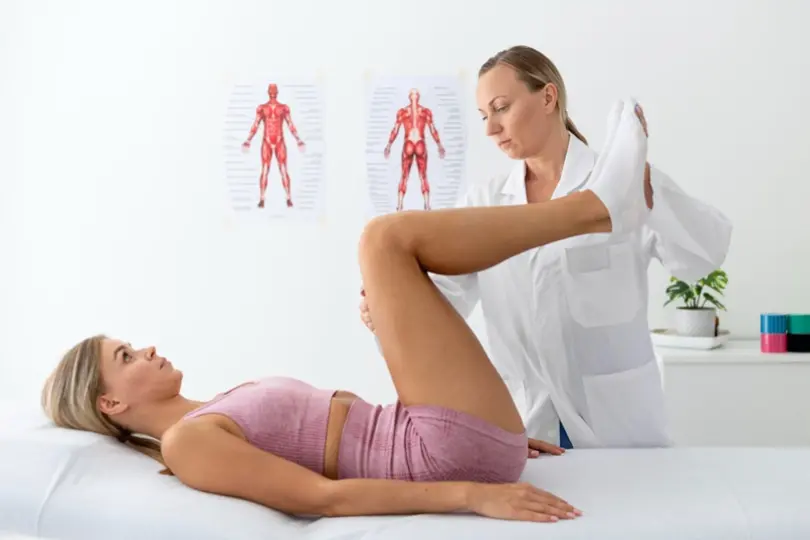
Managing sciatica often involves a combination of approaches, including medication, lifestyle adjustments, and targeted exercises. One of the most effective strategies is professional physical therapy for sciatica in NYC, which focuses on strengthening core muscles, improving flexibility, and reducing pressure on the sciatic nerve. Physical therapists design individualized programs that may include stretching, posture correction, and low-impact aerobic exercises. These interventions not only alleviate pain but also help prevent future flare-ups by addressing biomechanical imbalances.
Benefits of Physical Therapy for Sciatica
Physical therapists design personalized programs that may include:
- Core-strengthening exercises to stabilize the spine
- Stretching routines for hamstrings, hip flexors, and piriformis muscles
- Posture correction and ergonomic guidance
- Manual therapy to reduce nerve tension
- Low-impact aerobic exercises to improve blood flow and mobility
Therapy not only reduces pain but also addresses muscular, postural, and biomechanical issues that often lead to recurring flare-ups.
Long-Term Care and Prevention
Long-term management of sciatica emphasizes maintaining spinal health and minimizing risk factors. Regular exercise, proper ergonomics, and weight management play key roles in preventing recurrence. For individuals with chronic conditions or structural spinal issues, ongoing therapy and periodic check-ins with healthcare professionals may be necessary. Education about body mechanics and lifestyle habits can empower patients to take an active role in their recovery and overall well-being.
Key prevention habits include:
Regular exercise: Core strengthening, yoga, and walking
Weight management: Reduces strain on the lower spine
Proper ergonomics: Supportive chairs, correct lifting technique
Avoiding prolonged sitting: Taking breaks every 30–45 minutes
Maintaining flexibility: Regular stretching of the hips and hamstrings
For people with chronic spinal conditions, ongoing therapy, periodic assessments, and lifestyle adjustments may be necessary. Learning proper body mechanics empowers individuals to stay active and minimize the risk of future episodes.
When to Seek Medical Attention
Immediate medical evaluation is recommended if you experience:
- Severe or worsening leg weakness
- Loss of bladder or bowel control
- Uncontrollable or sudden intense pain
- Symptoms following an accident or fall
These can be signs of more serious nerve complications that require urgent care.
Conclusion
Sciatica can be a challenging condition, but with proper understanding and a comprehensive care plan, most people can find relief and regain mobility. Early diagnosis, targeted treatment, and consistent preventive measures are essential for long-term success. By working closely with healthcare providers and adopting healthy habits, individuals can manage symptoms effectively and reduce the likelihood of future complications.
Photo Credit:
Photo 1, Credit to Freepik || Photo 2, Credit to Freepik (CC0 1.0)