
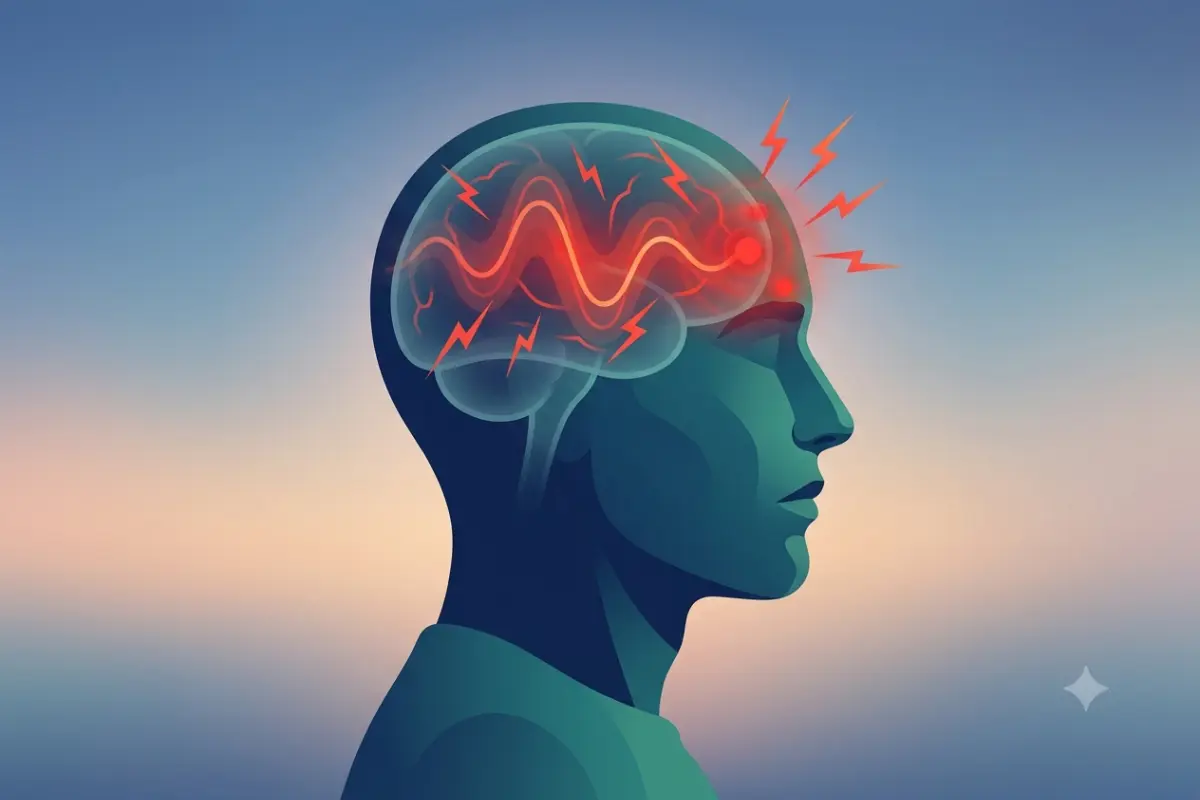
TL;DR: Constant headaches are a clear sign from your body that something needs attention, especially if they occur more than 15 days a month. This guide breaks down the underlying causes, crucial warning signs, and how chronic pain impacts your life. Do not ignore the red flags. Read on to discover when to see a doctor and how to download our constant headaches tracking checklist to take control of your health today.
Headaches are one of the most common health complaints across the world. Most of the time, an occasional headache is nothing to worry about. You take some rest, drink some water, and the pain fades away. But what happens when the pain simply will not stop?
Dealing with constant headaches can turn your daily routine into a living nightmare. Too many people dismiss persistent head pain as a normal side effect of a busy life, blaming it on managing everyday stress or lack of sleep.
In my years of reviewing health patterns, I have noticed how easily people fall into the trap of ignoring these early signs until they disrupt their entire routine. Recurring head pain is often your body’s way of waving a red flag. It is a sign that something deeper needs your attention. Understanding why these headaches happen is the first step toward finding relief and protecting your long-term health.
What Exactly Qualifies as a Constant Headache?
Topical authority on this issue means looking at strict medical timelines. A headache is considered constant or chronic when you experience head pain for 15 or more days per month for at least three consecutive months. This condition includes various types of recurring head pain, such as chronic migraines, tension headaches, or daily persistent headaches.
According to clinical definitions shared by the Mayo Clinic, these headaches are not just single isolated events. They form a continuous cycle that alters how your nervous system processes pain signals. For some individuals, the pain is a dull, steady ache that sits in the background all day long. For others, it arrives in severe, crushing waves that make normal physical movement incredibly difficult.
It is vital to separate these daily patterns from simple lifestyle issues. While maintaining proper daily hydration can sometimes cure a mild, temporary ache, it will not stop a true chronic headache condition. Chronic tension headaches often feel like a tight band wrapped around your forehead. Chronic migraines bring additional symptoms like extreme sensitivity to light, intense nausea, and throbbing pain on one side of your face.
Common Underlying Causes of Persistent Head Pain
When you experience head pain almost every day, your doctor will look for secondary causes. This means the headache itself is actually a symptom of another medical condition that requires its own treatment plan. Identifying these causes early can prevent serious long-term complications.
One common medical condition linked to daily head pain is hypertension. When your blood pressure rises to dangerous levels, it can create constant pressure inside your head. If you suspect this might be your issue, focusing on managing high blood pressure with the help of a medical professional is absolutely critical. Medical research from Harvard Health Publishing indicates that untreated high blood pressure can permanently damage your blood vessels and increase your risk of suffering a stroke.
Another frequent cause is chronic sinus inflammation. When your sinus cavities stay blocked for weeks, they create a deep, constant ache behind your eyes and cheekbones. On rarer occasions, persistent headaches can point to changes in intracranial pressure, meaning the fluid pressure around your brain is either too high or too low. Brain tumors or structural malformations can also cause daily pain, though these are far less common.
How Do Chronic Headaches Affect Your Mental Health?
Chronic headaches impact mental health by triggering a continuous cycle of anxiety, severe stress, and depression due to persistent pain and unpredictable symptom flare-ups. This emotional burden often leads to social isolation and a major drop in overall quality of life.
Living with severe pain every single day takes an immense toll on your mind. Data from the American Migraine Foundation shows a deep connection between frequent headaches and mood disorders. When you live in constant fear of the next pain flare-up, your body stays in a permanent state of high alert. This constant stress drains your brain of serotonin and other feel-good chemicals, making you much more vulnerable to deep clinical depression.
The damage spreads into your social life as well. The unpredictability of chronic pain makes it hard to keep promises. You might start canceling plans with friends, skipping family gatherings, and withdrawing from the activities you used to love. Your professional life can also take a massive hit. Struggling to focus through a fog of pain reduces your workplace productivity and leads to missed days, creating financial worry that only makes your stress worse.
Red Flag Headache Symptoms That Require Immediate Emergency Care
Not all headaches can wait for a regular doctor’s appointment. Certain symptoms mean you need to head straight to the nearest emergency room. Assessing constant headache red flags can literally save your life or prevent permanent neurological damage.
The most critical red flag is what doctors call a thunderclap headache. This is a sudden, explosive pain that strikes out of nowhere and hits its maximum, agonizing intensity within 60 seconds. The National Institute of Neurological Disorders and Stroke warns that a thunderclap headache is a classic sign of a ruptured brain aneurysm or a sudden hemorrhage inside your skull.
You must also seek immediate emergency care if your head pain comes with a high fever, a stiff neck, confusion, double vision, or difficulty speaking. These combined symptoms often point to a serious central nervous system infection like meningitis. Finally, any new headache patterns that start after the age of 50, or headaches that begin immediately after a physical bump or injury to the head, require urgent professional screening to rule out internal bleeding.
Why You Should Not Rely on Self-Diagnosis for Headaches
Self-diagnosing chronic headaches often leads to delayed medical treatment, which allows potentially dangerous underlying conditions to worsen over time. It can also cause medication overuse headaches from the improper use of over-the-counter pain relievers.
When you try to manage chronic pain on your own, it is incredibly easy to make things worse. Many people build a habit of popping over-the-counter pain pills every single morning. Over time, your body becomes dependent on these medications. When the drug wears off, your body reacts by triggering a rebound headache. This traps you in a vicious cycle where the very medicine you take to cure the pain is actually causing your daily suffering.
Getting a professional medical evaluation removes the dangerous guesswork. Doctors have access to diagnostic tools that you cannot find on the internet. As outlined by the Cleveland Clinic, a physician will perform a complete neurological exam to check your reflexes, vision, and balance. They can also order advanced imaging studies, like an MRI or a CT scan, to look directly inside your skull and see exactly what is happening.
Conclusion
Constant headaches are far more than a simple daily annoyance. They serve as a vital warning system for your physical and mental well-being. Living with continuous pain can drain your energy, strain your relationships, and impact your work performance. You do not have to accept this pain as your permanent reality. By recognizing the critical warning signs and partnering with a healthcare provider, you can uncover the root cause of your symptoms. Take the first step toward a pain-free life right now. Download and tick our comprehensive Checklist about Constant Headaches to track your symptoms accurately before your next doctor visit.
Frequently Asked Questions
How Many Days a Month Count as a Chronic Headache?
A headache condition is clinically classified as chronic when you experience head pain for 15 or more days every month. This frequent pattern must continue for at least three consecutive months to meet the medical definition.
Can High Blood Pressure Cause Daily Head Pain?
Yes, severe or poorly managed high blood pressure can cause persistent headaches. This happens because the increased pressure inside your blood vessels affects the circulation within your skull, creating a constant ache.
What is a Thunderclap Headache and is it Dangerous?
A thunderclap headache is a sudden, severe pain that reaches peak intensity within one single minute. It is a major medical emergency that requires immediate care, as it can indicate a bleeding issue inside the brain.
Why Do My Headaches Feel Worse When I First Wake Up?
Headaches that are at their worst early in the morning can sometimes point to increased pressure inside your skull. This symptom requires an evaluation by a physician to rule out structural issues or sleep apnea.
Can Taking Too Much Pain Medication Cause More Headaches?
Yes, using over-the-counter pain relievers too frequently can trigger medication overuse headaches. Your brain becomes reliant on the medication, causing a rebound headache to develop as soon as the dosage wears off.
About The Author:
Elena Swan is a freelance health and wellness writer specializing in mental illness. She likes researching complex health topics and presenting the information in a way that everyday people can understand so they can apply it to their own lives. View her portfolio at elenaswanwrites.com.
Medical disclaimer: This content is for informational purposes only and is not a substitute for professional medical advice.