TL;DR: Dental implants restore both function and confidence after tooth loss, but the full picture goes beyond the surgery itself. Real costs often include bone grafting and insurance gaps most patients don’t expect. Success depends on identifiable risk factors like smoking, and long-term care matters just as much as the procedure. This guide adds the data, costs, and maintenance facts most articles leave out.
Missing teeth can mess with far more than your ability to enjoy a meal. The psychological weight of tooth loss often shows up as diminished self-esteem, hesitation before smiling in photos, and genuine anxiety during professional meetings or social gatherings. Dental implants have revolutionized how we approach tooth replacement by tackling both the practical challenges and the emotional burden that comes with losing teeth. While traditional dentures or bridges offer temporary fixes, implants provide something more permanent, a solution that looks natural and becomes part of your dental structure. This transformative approach has given countless people back something they thought they’d lost forever: not just their smile, but the confidence to use it.
Understanding the Impact of Tooth Loss on Daily Life
Roughly 178 million Americans deal with tooth loss, and the consequences reach far beyond what happens inside the mouth. When you’re missing teeth, certain foods become off limits, steak, apples, even corn on the cob can suddenly feel impossible to manage. This dietary limitation can snowball into nutritional gaps and digestive troubles you never anticipated. Your speech might change too, with certain words becoming harder to pronounce clearly, which can feel mortifying during presentations or casual conversations.
The Science Behind Dental Implant Success
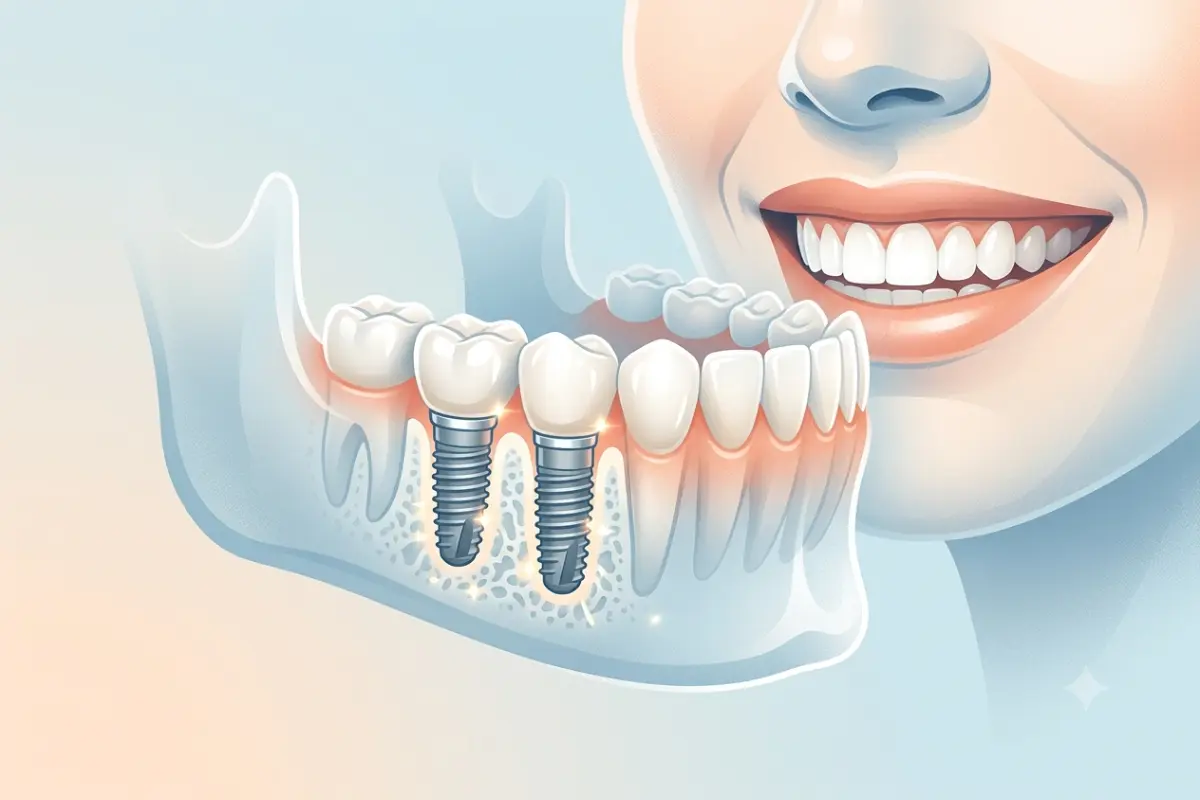
Dental implants work by essentially becoming artificial tooth roots, typically crafted from titanium that the body readily accepts and integrates with existing bone. This fusion process, called osseointegration, creates a foundation that genuinely mimics how natural tooth roots function. The implant post gets surgically positioned into the jawbone, where it gradually bonds with surrounding bone tissue over the following months. Once that integration is complete, the implant can support a custom crown, bridge, or denture that matches your natural teeth so closely that even you might forget which tooth is which.
Why Do Some Dental Implants Fail?
Most dental implants succeed, with survival rates around 96.8% at 5 years and 92.8% at 10 years. But failure isn’t random. It’s tied to specific, identifiable risk factors, and knowing them ahead of time changes how you and your surgeon plan treatment.
Smoking is the biggest modifiable risk. A meta-analysis covering more than 150,000 implants found smoking increases failure risk by roughly 140% compared to non-smokers. Nicotine restricts blood flow to the jaw, which slows down the bone-healing process your implant depends on.
Diabetes gets blamed more often than the evidence supports. A large meta-analysis spanning over 40,000 implants found smoking and radiotherapy clearly raised failure risk, but diabetes and osteoporosis showed no significant link. Well-controlled diabetes isn’t the dealbreaker many patients assume it is.
A broader review of implant failure research found early failures cluster around smoking, uncontrolled diabetes, poor bone quality, gum disease, radiotherapy, and surgical technique. That’s a useful list, because every one of those is something your surgeon can check for before surgery, not something that shows up as a surprise afterward.
This is exactly why a thorough pre-treatment evaluation matters so much. Being upfront with your dentist about smoking, blood sugar control, and bone health gives them the chance to adjust your plan instead of running into problems mid-treatment.
Aesthetic Benefits That Transform Your Appearance
The visual results from dental implants often surprise patients with how remarkably natural everything looks and feels. Modern implant crowns use advanced dental ceramics that capture every detail, the subtle translucency of enamel, the natural color variations, even the surface texture that catches light just like real teeth. When evaluating implant options, patients who consult with professional oral maxillofacial surgeons in Houston, TX, benefit from specialists who customize each restoration to complement facial features, smile lines, and existing teeth, ensuring harmonious integration. The rock-solid stability eliminates any slipping or clicking sounds that plague traditional denture wearers, letting you smile freely, laugh without hesitation, and speak confidently in any situation. Friends and family often can’t tell which teeth are implants and which are original, that’s how seamlessly they blend in. By preserving jawbone density, implants prevent the facial collapse that makes people appear prematurely aged after losing teeth. They also maintain proper lip support and facial contours, restoring that youthful fullness. The psychological shift that comes from seeing a complete, attractive smile in your reflection changes everything, how you see yourself, how you carry yourself, and how you engage with the world around you.
Functional Restoration for Improved Quality of Life
Beyond looking great, dental implants bring back essential oral functions that you probably never thought twice about until they were gone. The secure foundation created through osseointegration lets you bite and chew with approximately 80 to 90 percent of your original force, essentially getting back nearly all your natural chewing power. This means revisiting foods you’ve been avoiding: biting into fresh apples, enjoying corn on the cob at summer barbecues, or ordering that perfectly cooked steak without worrying about how you’ll manage it. Speech clarity improves dramatically as well, eliminating those frustrating pronunciation issues caused by gaps or dentures that don’t fit quite right.
How Much Does a Dental Implant Really Cost?
A single dental implant typically costs $3,000 to $6,000, but that figure rarely covers everything you’ll actually pay. The base price usually includes the implant post, the abutment, and the crown, and any additional procedures like bone grafting get billed separately.
Here’s how the pricing breaks down. The implant post itself runs $1,000 to $3,000, the abutment (the connector piece) adds $300 to $800, and the crown adds another $800 to $3,000 depending on the material you choose.
Bone grafting is the most common hidden add-on. Roughly half of all implant patients need one, and grafts can add anywhere from $250 to over $5,000 depending on the graft material and complexity. If your own bone is used (an autograft), expect a higher cost, since it requires a second surgical site.
Timing matters too. Bone graft healing alone can take three to nine months before an implant can even be placed. If you need a graft, plan for a treatment timeline closer to a year rather than a few months.
Insurance is where most patients get caught off guard. Most dental insurance plans treat implants as cosmetic or elective and exclude the implant post specifically. Interestingly, a bone graft tied to the same treatment can sometimes get partial coverage, since it’s classified as medically necessary.
If you’re missing several teeth, full-arch options like All-on-4 change the math. A full arch runs $24,000 to $50,000, which works out cheaper per tooth than individual implants, even though the upfront number looks bigger.
Before you commit to any treatment plan, ask your dentist directly whether the quote is itemized or bundled, and what happens to the price if you need a graft. That one question prevents most of the sticker shock patients run into later.
What Happens to Your Implant Years After It’s Placed?
Many patients assume the work is done once the crown goes on. It isn’t. Implants can develop their own version of gum disease, and it’s far more common than most people realize.
There are two stages worth knowing. Peri-implant mucositis is inflammation around the implant without bone loss. Peri-implantitis is the more serious version, with both inflammation and bone loss. Research shows that around 45% of implant patients develop mucositis, and about 20% go on to develop peri-implantitis over the life of the implant.
This isn’t random bad luck. The clearest risk factors are poor oral hygiene, a past history of gum disease, not enough firm gum tissue around the implant, and an implant that’s been in place for five years or more.
Even diligent patients aren’t fully protected. A long-term study following patients with a history of moderate-to-severe gum disease found peri-implant disease in nearly two-thirds of cases, despite 85% of those patients sticking to a regular maintenance schedule. That tells you maintenance lowers risk, but it doesn’t erase it for everyone.
Regular checkups matter more than people think. Professional guidelines recommend implant maintenance visits at least every 6 months, including a proper gum probing check and bleeding assessment, not just a quick visual look.
There’s one early warning sign you can watch for at home: bleeding when you floss around the implant, even without pain. That’s often the first hint of mucositis, and it’s much easier to treat at that stage than after bone loss has already started.
The Confidence Boost From a Complete Smile
The psychological transformation following dental implant treatment touches every corner of life, creating positive ripple effects that start with improved self-image and spread outward. Patients consistently describe newfound willingness to smile without reservation, jump into social situations they’d been avoiding, and pursue professional opportunities that once seemed out of reach. There’s something powerful about knowing your teeth are permanently secure, no more worrying about something shifting or becoming visible during crucial moments. Studies show that people with complete, attractive smiles get perceived as more successful, trustworthy, and approachable in both personal and professional settings.
Myth vs. Reality: What People Get Wrong About Dental Implants
Some of the most common things people believe about implants are only half true. Here’s where the gap between the marketing and the actual evidence shows up.
Myth: Implants are basically permanent and maintenance-free.
Reality: implants can’t get cavities, but the gum and bone around them absolutely can develop disease. Some studies show peri-implantitis rates as high as 47% in certain patient groups. “Permanent” only holds with consistent care.
Myth: Diabetes disqualifies you from getting implants.
Reality: a meta-analysis of over 40,000 implants found no significant link between diabetes and implant failure, especially when blood sugar is well-controlled. It’s uncontrolled diabetes that raises concern, not the diagnosis itself.
Myth: If your jawbone has shrunk, implants aren’t an option anymore.
Reality: bone grafting solves this in most cases. It adds four to six months to your treatment timeline, but it routinely restores enough bone to support a standard implant.
Myth: A lower quote means a better deal.
Reality: a low base price that skips the abutment, crown, anesthesia, or grafting isn’t actually cheaper. It’s just incomplete. Comparing only the headline number is the fastest way to end up with a final bill that’s twice what you expected.
Myth: Once you’re past the first year, implant problems are basically over.
Reality: implants in function for five years or longer actually carry a higher risk for peri-implant disease, not a lower one. The risk doesn’t go away. It just shifts to a different kind of attention.
Conclusion
Dental implants offer a genuinely life-changing solution for anyone dealing with the physical and emotional fallout from tooth loss. By addressing functional limitations alongside aesthetic concerns, implants deliver comprehensive restoration that affects your entire quality of life, not just your mouth. The combination of sophisticated surgical techniques, biocompatible materials that work with your body, and skilled dental artistry produces results that look completely natural, function reliably, and last for decades. Most significantly, the confidence that comes from having a complete, beautiful smile creates positive changes throughout every area of life, relationships, career, social engagement, and self-perception.
About The Author:
Dr. Murataj practices general dentistry with a holistic approach in a family dental practice that focuses primarily on restorative and implant dentistry, esthetics, periodontal, and oral surgery.
Medical disclaimer: This content is for informational purposes only and is not a substitute for professional medical advice.