

Hospitals are under constant pressure to deliver care that is not only effective but also safe and efficient. With patient volumes rising and staff workloads increasing, healthcare facilities are turning to advanced systems to bridge the gap between quality and operational demands. These technologies are reshaping how hospitals manage patient safety, streamline workflows, and maintain compliance with rigorous standards. From automated monitoring to intelligent mobility solutions, innovation is becoming the backbone of modern patient care.
The Growing Need for Safety-Centric Technology
Patient safety has always been a cornerstone of healthcare, but the complexity of today’s hospital environments makes it harder to maintain. Manual processes, while familiar, are prone to human error and can lead to delays in treatment or miscommunication between departments. In high-acuity settings, even minor mistakes can have serious consequences. Advanced systems address these challenges by introducing automation and real-time data exchange, reducing reliance on manual checks and improving accuracy across the board.
These technologies also help hospitals meet regulatory requirements without adding administrative burden. Automated alerts, integrated reporting tools, and centralized dashboards allow staff to focus on patient care rather than paperwork. By embedding safety into the workflow, hospitals create an environment where compliance and efficiency coexist.
Smart Monitoring and Predictive Analytics
One of the most transformative developments in patient care is the rise of smart monitoring systems. These platforms continuously track vital signs, medication schedules, and environmental conditions, alerting clinicians to potential risks before they escalate. Predictive analytics takes this a step further by analyzing historical and real-time data to forecast complications, enabling proactive interventions.
For example, algorithms can detect early signs of sepsis or respiratory distress, prompting immediate action. This predictive capability not only saves lives but also reduces the length of hospital stays, which directly impacts cost efficiency. By leveraging data-driven insights, hospitals can allocate resources more effectively and improve overall patient outcomes.
Enhancing Mobility and Ergonomics for Safer Care
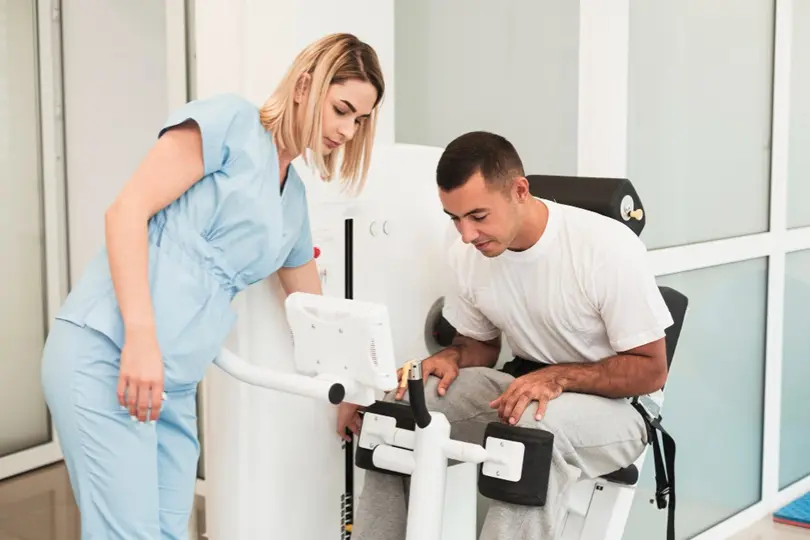
Physical strain on healthcare staff is a hidden risk factor in patient safety. Lifting, repositioning, and transporting patients can lead to injuries for both caregivers and patients if not done correctly. Advanced mobility systems are addressing this issue through ergonomic designs and powered assistance features that minimize manual effort.
A critical component in many of these systems is the linear actuator, which provides precise, controlled movement in hospital beds, lift devices, and adjustable treatment tables. By enabling smooth and accurate adjustments, these actuators reduce the risk of sudden shifts that could harm patients or strain staff. They also support individualized care by allowing fine-tuned positioning for comfort and clinical needs. The integration of such technology demonstrates how mechanical innovation can directly contribute to safer, more efficient care environments.
Automation in Medication and Supply Management
Medication errors remain a leading cause of adverse events in hospitals. Automated dispensing systems and inventory management platforms are helping to mitigate this risk. These solutions ensure that the right medication reaches the right patient at the right time, with built-in checks to prevent dosing mistakes. Barcode scanning and RFID tracking add another layer of security, reducing the likelihood of human error during administration.
Supply chain automation also plays a role in patient safety. By maintaining accurate stock levels and expiration tracking, hospitals avoid shortages and prevent the use of outdated materials. This reliability supports uninterrupted care and reduces the stress on staff who would otherwise spend valuable time managing inventory manually.
Building a Culture of Safety Through Technology
Technology alone cannot guarantee patient safety; it must be paired with a culture that prioritizes continuous improvement. Advanced systems provide the tools, but staff training and engagement ensure those tools are used effectively. Hospitals that invest in education alongside technology adoption see the greatest benefits, as employees understand how to leverage these systems to enhance care rather than view them as additional tasks.
Leadership commitment is equally important. When hospital administrators champion safety initiatives and allocate resources for technology upgrades, they set the tone for the entire organization. This alignment between people and systems creates a resilient framework where patient safety is embedded in every process.
Conclusion
The evolution of hospital care is being driven by advanced systems that integrate automation, data intelligence, and ergonomic design. These innovations reduce risk, improve efficiency, and support better outcomes for patients and staff alike. By embracing technologies that prioritize safety, hospitals position themselves to meet the demands of modern healthcare while maintaining the highest standards of care. In an environment where every decision matters, advanced systems are essential tools for safeguarding lives and sustaining operational excellence.
Photo Credit:
Photo 1, Credit to Freepik || Photo 2, Credit to Freepik (CC0 1.0)