Remote area medicine asks clinicians and health systems to do some of their most important work in the hardest places to reach. Patients may live days from the nearest hospital. Roads wash out. Power fails. The internet goes dark without warning. Despite those barriers, providers continue to close gaps in access by combining practical ingenuity, resilient supply chains, and deep community partnerships. The story of care in remote regions is one of steady progress built on local leadership and adaptable models that fit the realities of terrain, culture, and resource constraints.
Getting Care Where It Needs to Go
The first challenge is geography. Distance complicates nearly every clinical task, from routine screenings to emergency response. Teams mitigate that reality with layered access models. Mobile clinics bring primary care, antenatal services, and basic diagnostics to villages on predictable schedules. Outreach nurses coordinate visit calendars with local leaders so families know when to expect services. In higher-acuity situations, referral networks prioritize transfer pathways, identifying which facility can accept a patient and how to move them safely.
Logistics planning makes this system work. Many programs rely on detailed route maps that account for seasonal changes, river levels, and weather windows. Boats or off-road vehicles may be staged along different segments to keep travel times predictable. Fuel caches and cold boxes are placed at waypoints so vaccines and insulin arrive within temperature limits. Where roads are impassable, drones increasingly carry laboratory samples and small medical supplies between remote posts and regional labs. Each innovation shortens delays and increases the reliability of care delivery.
Building and Supporting the Workforce
A sustainable workforce in remote medicine depends on recruitment, training, and retention. Providers who thrive in these settings are resourceful generalists. They can suture a wound, stabilize a newborn, triage a cardiac patient, and teach a diabetes class, often in the same day. Programs recruit locally whenever possible. Clinicians who grew up in the community bring language fluency and cultural understanding that accelerate trust. When local pipelines do not exist, organizations invest in bridge programs to support students through nursing, midwifery, or community health worker training with commitments to return home after graduation.
Retention requires more than salary. Clinicians need predictable rotations, safe housing, and opportunities for ongoing education. Remote settings can be isolating, so peer support through regular case reviews and tele-mentoring helps maintain morale and clinical quality. Licensure requirements are streamlined through agreements that recognize the realities of practicing far from centralized services. When teams feel respected, equipped, and connected to a supportive network, they stay longer, and the continuity of care improves.
Telehealth That Fits the Environment
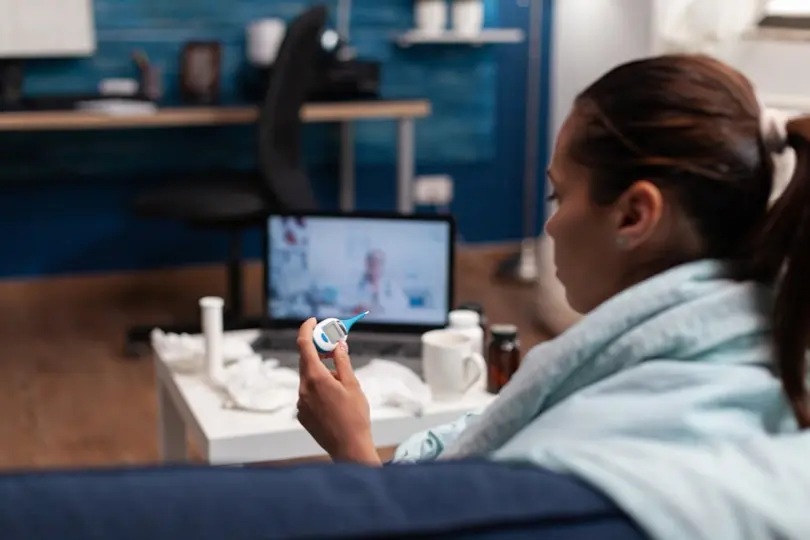
Telehealth is a powerful tool, but it must be designed for intermittent connectivity and limited bandwidth. Successful programs use store-and-forward models where images, vitals, and case summaries are captured offline and uploaded when a connection is available. Clinicians can review dermatology photos, obstetric ultrasounds, or ECG traces without requiring real-time video. In emergencies, satellite links enable consultation for trauma, stroke recognition, or neonatal resuscitation, even when terrestrial networks are down.
Digital solutions are kept simple. Applications run on rugged devices, with interfaces translated into local languages. Power budgets include solar chargers and backup batteries, avoiding dependence on unreliable grids. Data security practices are embedded in workflows, so patient information remains confidential, even in low-tech environments. Training covers practical troubleshooting, because the moment telehealth is needed most is often when infrastructure falters. By matching technology to conditions on the ground, teams turn connectivity limitations into solvable engineering problems instead of immovable barriers.
Trust, Culture, and Culturally Safe Care
No intervention succeeds without trust. Remote communities carry histories shaped by migration, land use, and in many contexts, colonial disruption. Providers earn trust through consistent presence, respectful communication, and shared decision-making. Care plans are negotiated with family members and community leaders. Consent processes are clear and conducted in the preferred language of the patient. Traditional healers may be involved where appropriate, with roles defined so that biomedicine and local practices complement rather than compete.
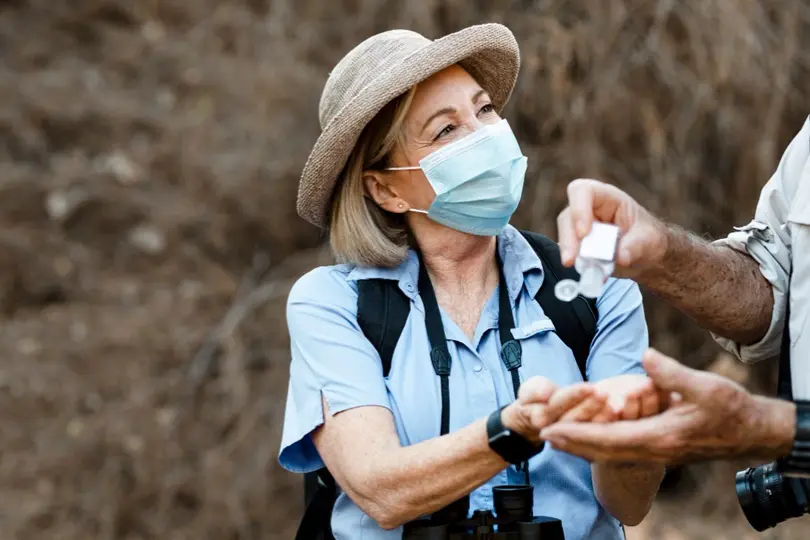
Culturally safe care asks clinicians to understand not only beliefs but also daily realities. Water access, food security, and transport availability determine whether a treatment plan is feasible. Health education uses practical examples focused on small achievable steps, like measuring blood sugar with locally available strips or building a handwashing station with common materials. Listening is the central clinical skill. When patients feel heard, adherence improves, and the clinical relationship becomes a source of resilience for the entire community.
Financing and Partnerships That Last
Reliable funding underpins everything from vaccine procurement to satellite minutes. In remote area medicine, budgets need to cover higher transport costs, expanded cold chain capacity, and hazard allowances for staff. Programs blend government allocations with philanthropic support, often partnering with regional insurers and local enterprises to build a diversified base. Donors respond well to transparent reporting and community-led governance, which demonstrate that resources directly strengthen local capacity.
Partnerships extend beyond finance to shared infrastructure and knowledge. Health teams collaborate with schools for nutrition initiatives, with agriculture cooperatives for safe pesticide handling, and with emergency services for mass casualty drills. When the public sees results, they advocate for sustained investment. Community members who have the means may choose to donate money to charity, and those gifts can be directed toward specific components like maternal transport vouchers or the repair of clinic solar arrays. Structured giving programs make it easy to target contributions where they do the most good, while accountability frameworks ensure funds are tracked, and outcomes are measured.
Conclusion
Remote area medicine is complex, but it is also deeply practical. Providers succeed by planning for difficult terrain, empowering local teams, and aligning technology with real-world constraints. Trust grows through culturally safe care and consistent follow-through. Funding and partnerships stabilize operations and open doors for innovation. Each element supports the others, forming a resilient system that can deliver preventive care, respond to emergencies, and sustain long-term health gains. Bridging the distance is not a single project or device. It is the daily work of listening, adapting, and building a fabric of care that holds, even when roads and networks do not.
Photo Credit:
Photo 1, Credit to Freepik || Photo 2, Credit to Freepik (CC0 1.0)