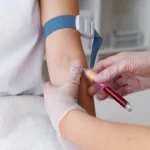

Starting the journey toward parenthood through assisted reproductive technology is one of life’s most significant decisions, and it touches every part of who you are. This isn’t just about medical procedures, it’s about preparing your whole self, body and soul, for what lies ahead. The path requires substantial emotional investment alongside physical readiness and real lifestyle changes. When you understand how to properly prepare yourself on all these levels, you’re not just improving potential outcomes; you’re giving yourself the gift of confidence and peace of mind.
Understanding Your Physical Health Baseline
Before diving into any fertility treatment, you’ll want a crystal-clear picture of where your physical health stands right now. Start by scheduling a thorough physical exam with your primary care doctor to uncover and address any underlying conditions that might throw a wrench in your treatment plans. This evaluation typically includes comprehensive blood work, checking things like thyroid function, vitamin D levels, and other markers that play surprisingly important roles in reproductive health. Your doctor might suggest tackling issues like high blood pressure, diabetes, or autoimmune conditions before you start the fertility treatment process.
Optimizing Your Diet and Nutrition
What you put on your plate matters more than you might think when it comes to supporting your body through fertility treatment. Start building meals around whole foods, think colorful vegetables that practically jump off the plate, fresh fruits, lean proteins, and those healthy fats you’ll find in avocados, nuts, and good olive oil. Load up on folate-rich foods like leafy greens and legumes, which give your cells the support they need for healthy development. On the flip side, try dialing back processed foods, refined sugars, and trans fats that can trigger inflammation and mess with your hormones.
Establishing a Consistent Exercise Routine

Moving your body regularly brings real benefits during fertility treatment, though finding that sweet spot of “enough but not too much” is key. Aim for moderate exercise, about 30 minutes on most days, doing things you actually enjoy, whether that’s walking around your neighborhood, swimming laps, flowing through yoga poses, or cycling. Regular movement does triple duty: it keeps your weight in a healthy range, dials down those stress hormones, and gets blood flowing to your reproductive organs where it’s needed most. Just steer clear of those ultra-intense workouts that might throw off your hormone balance or leave you completely wiped out.
Managing Stress and Building Emotional Resilience
Here’s something that often catches people off guard: the emotional rollercoaster of fertility treatment can be every bit as demanding as the physical aspects, which makes psychological preparation essential. Think about connecting with a therapist who really understands reproductive health. They can help you build a toolkit of coping strategies before you’re in the thick of things. When preparing for in vitro fertilization in Houston, for example, practices like mindfulness meditation, intentional deep breathing, or guided imagery can become your secret weapons for managing anxiety when stress levels spike.
Joining a support group, whether in person or online, connects you with people who just get it; they understand the unique challenges of this journey in ways that even well-meaning friends and family sometimes can’t. Set realistic expectations by learning about the process, success rates, and potential bumps in the road, but don’t fall the rabbit hole of obsessive research or anxiety-inducing online forums. Create some healthy boundaries around fertility discussions, decide who gets to know what, and what details you’re comfortable sharing. Make sure you’re still doing things that bring you genuine joy and remind you that you’re a whole person beyond fertility treatment, whether that means pursuing hobbies, hanging out with people you love, or diving into creative projects that light you up.
Preparing Your Relationship and Support System
Fertility treatment doesn’t exist in a vacuum; it ripples through your closest relationships, which makes strengthening your partnership and support network beforehand a smart move. Sit down with your partner for those real, vulnerable conversations about what you’re both expecting, what scares you, and how you’ll show up for each other when things get hard. Talk openly about the financial reality, treatment timelines, and how many cycles you’re both willing to try before you step back and reconsider your options. You might want to attend some counseling sessions together to sharpen your communication skills and make sure you’re truly aligned on the big decisions ahead.
Organizing Practical and Financial Considerations
The nuts-and-bolts aspects of fertility treatment demand careful planning and organization. Trust me, this prep work pays off by reducing stress when you’re in the middle of everything. Dig deep into your insurance coverage, understanding exactly which procedures are covered, what paperwork they’ll need, and what expenses will be coming out of your pocket. Build a dedicated budget that accounts for medications (which can be shockingly expensive), procedures, travel to and from appointments, and potential time away from work. Set up an organizational system for keeping all your medical records, appointment schedules, medication protocols, and insurance documents in one place where you can actually find them.
Conclusion
Getting ready for fertility treatment means taking a wide-angle view that touches on physical health, emotional well-being, the health of your relationships, and all those practical details that make life actually work. When you take proactive steps to fine-tune your nutrition, lock in healthy lifestyle habits, and build genuine emotional resilience, you’re creating the strongest possible foundation for whatever comes next. Remember, this preparation phase isn’t about becoming perfect or checking every box with military precision. It’s about giving yourself the tools, knowledge, and support you need to walk this path with more confidence and less stress weighing you down.
Photo Credit:
Photo 1, Credit to Pexels || Photo 2, Credit to Pexels (CC0 1.0)