Addiction has a huge effect on countless individuals across the globe. It can harm your physical health, mess with your mind, strain your relationships, and lower your quality of life. Spotting the signs that your addiction needs expert help is the first move toward getting better. If you’ve been thinking about whether it’s time to get help, this guide will show you the red flags to watch for and explain what you can do.
Understanding Addiction as a Medical Condition
Addiction goes beyond using substances or doing certain things—it’s about losing control. When urges take over your ability to think, and when your habits start messing up your daily life, it’s a sure sign that something’s off. Addiction can involve booze, drugs, gambling, or even stuff like gaming and shopping. Regardless of the type, the results can be unfavorable if you don’t seek help.
Physical Signs That Indicate the Need for Treatment
One of the clearest signs of addiction is when your body depends on something. You might notice:
- Withdrawal Symptoms: Feeling sick, sweating, anxious, or cranky when you try to stop.
- Tolerance: Having to use more of the substance or do the behavior more often to get the same kick.
- Poor Health Choices: Not caring about food, rest, or doctor visits due to addictive patterns.
When your body seems unable to work without the substance or activity, you need expert help.
Behavioral Warning Signs of Addiction
Addiction often shows up as changes in how you act. Look out for these signs:
- No Self-Control: You’ve tried to stop or do less but failed many times.
- Keeping to Yourself: Staying away from friends and family to hide what you’re doing.
- Dropping the Ball: Skipping work, school, or family duties because of addiction.
- Taking Chances: Doing risky things while high or to keep your addiction going.
These actions show that addiction is getting in the way of living a normal life.
Mental and Emotional Health Signs
Addiction affects both your body and mind. Common emotional indicators include:
- Mood Changes: Big ups and downs linked to drug use or addictive actions.
- Worry and Sadness: Feeling down or stressed when not doing the habit.
- Constant Thoughts: Always thinking about the next chance to use or do it.
If addiction hurts your mental health, getting help is key.
How It Hurts Relationships and Money
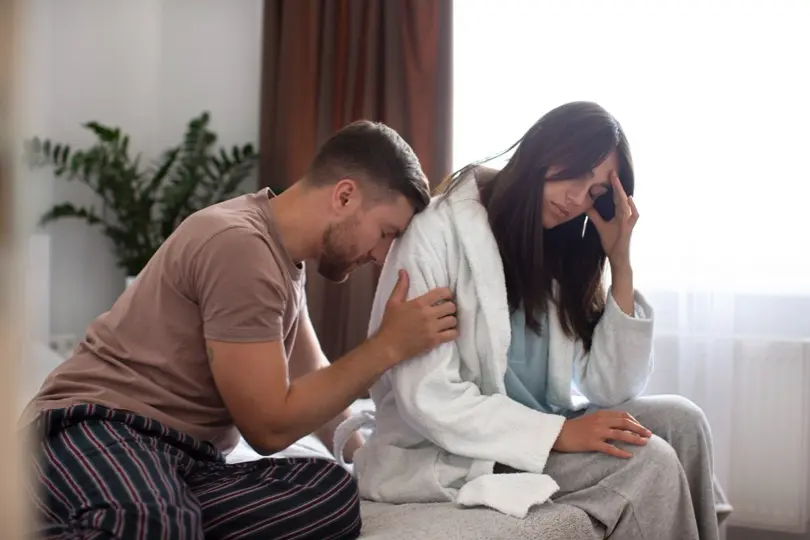
Addiction often causes trouble in relationships and creates money problems. Watch out for:
- Arguments: Many fights with family and friends about your habits.
- Broken Trust: Keeping your behavior secret or telling lies to hide addiction.
- Money Problems: Spending too much on drugs or activities, which leads to owing money.
When addiction begins to affect your loved ones and your finances, it’s time to act.
When Professional Treatment Is Strongly Recommended
If you spot several signs from the groups above, getting professional treatment might be your best bet. Residential treatment centers near you aid those with addiction and often work better for severe cases. Many places offer programs designed just for you, including detox, talking to experts, and planning for long-term recovery.
Looking for live-in treatment centers close by can be a good first step if you need a structured setting to beat addiction. These centers give round-the-clock support, doctor’s care, and therapy to help you break free from harmful habits.
Advantages of Getting Treatment
Asking for help shows strength—it’s a move to take back control of your life. Expert care provides:
- Medical Aid: Secure detox and help with withdrawal symptoms.
- Counseling: Tackling root causes that lead to addiction.
- Support Network: Backup from peers and experts who get what you’re going through.
- Future Planning: Methods to avoid relapse and stay sober.
Recovery can happen, and treatment can build the base you need to thrive.
Taking the First Step Toward Recovery
Owning up to needing help is often the toughest part. Begin by:
- Opening Up to Someone You Trust: Voice your worries to a friend or family member.
- Talking to an Expert: Contact a doctor or addiction specialist for advice.
- Looking into Treatment Choices: Find programs that match what you need and how you live.
Keep in mind, acting boosts your odds of getting better.
To Wrap Up
Addiction might seem too much to handle, but spotting the signs and getting help can turn your life around. If you notice physical dependence, emotional pain, or troubled relationships, it’s time to think about getting expert help. Getting better is a process, and with good support, you can take charge again and build a healthier, happier life ahead.
Medical disclaimer: This content is for informational purposes only and is not a substitute for professional medical advice.
Photo Credit:
Photo 1, Credit to Freepik || Photo 2, Credit to Freepik (CC0 1.0)