

Life moves fast, and it is easy to normalize feeling a little off. Yet your body is always communicating. When routines slip or stress accumulates, small shifts can add up to signals that you need a brief course correction. Tuning in early does not require a complete overhaul. It usually means a few thoughtful adjustments to sleep, nutrition, movement, and boundaries that help your system re‑settle.
Energy Swings and Sleep Drift
One of the earliest signs that you need a reset is inconsistent energy. Maybe you wake up already tired, rely on caffeine to push through, then feel wired late at night. Pay attention to the pattern rather than a single day. If you are awake long after your usual bedtime, or if weekend mornings are much later than weekdays, your internal clock may be slipping. Start with a simple anchor. Choose a wake time you can keep seven days a week, expose yourself to natural light in the first hour after rising, and front‑load hydration. If naps creep in, keep them short and early. A steady rhythm usually brings energy back within a week.
Nutrition supports this rhythm. Combine protein, fiber, and healthy fats at each meal to smooth blood sugar swings. Small changes help. Add eggs or Greek yogurt at breakfast, choose a hearty salad with beans or chicken at lunch, and include vegetables and whole grains at dinner. If late‑afternoon cravings hit hard, try a planned snack with protein and fiber rather than grazing.
Skin That Looks Irritated or Less Predictable
Skin can act like a dashboard light when your body needs a reset. A dull tone, increased redness, or more frequent breakouts often appear when sleep is shortened, stress runs high, or routines become inconsistent. Keep your routine simple and kind. Cleanse gently, moisturize with a product that suits your skin type, and apply sunscreen every morning. If breakouts cluster around the jawline or intensify with cycle changes, ask your clinician whether a hormonal acne treatment might be appropriate and how to pair it with a soothing topical plan. In the meantime, avoid overcorrecting with multiple new activities at once. Alternate treatment nights with plain hydration nights so the barrier can recover.
Digestion and Appetite Cues

Your digestive system is sensitive to schedule shifts, stress, and hydration. Signs you need a reset can include more bloat than usual, irregular bowel habits, or a sudden change in appetite. Rather than drastic diets, choose a steady approach. Keep water visible and sip throughout the day. Aim for a mix of soluble and insoluble fiber from vegetables, fruits, beans, and whole grains, then let your system adjust. If your days are hectic, block 10 minutes for an unrushed meal and put your phone away so your nervous system has a chance to downshift while you eat. Light movement after meals, such as a short walk, often reduces bloating and helps regulate blood sugar.
Alcohol can disrupt digestion and sleep, and extra sugar can produce quick energy followed by a dip. Consider a short recalibration period with fewer sweet drinks and an alcohol limit. Track how you feel at the end of the week and keep what helped.
Mood, Focus, and Stress Tolerance
When your reserves run low, focus and patience are often the first to go. Maybe small inconveniences feel bigger, or your to‑do list seems impossible even when it is not. Treat this as information, not failure. Introduce a two-part reset you can keep on busy days. In the morning, set one intention for how you want to move through the day, then pick a single task that will make the rest of the day easier. In the evening, choose a short wind-down routine. Dim lights, silence notifications, and spend a few minutes with a book or gentle stretching. Consistency matters more than duration.
Build micro breaks into your schedule. A five-minute walk, two minutes of slow breathing, or a cup of water between meetings can reset your nervous system. If you are managing heavy stress, consider a short journaling practice. Write one feeling, one need, and one small action. This quick structure helps you respond rather than react.
Movement and Recovery Signals
Your body often asks for a reset through soreness that lingers, workouts that feel harder than they should, or an unusual lack of interest in movement. The fix is not always to do more. It is to adjust the blend of intensity and recovery. If you lift weights, consider one week with fewer sets and a focus on form. If you run or cycle, swap one high-intensity session for an easy zone two workout. Add gentle mobility work for tight hips and shoulders. Most importantly, schedule rest. Sleep is when repair happens, and that includes muscles, brain function, and mood regulation.
If you track workouts, look for trends. A steady drop in performance or a higher perceived effort at the same pace suggests you may need extra rest, more fuel, or a change in training volume. Movement should add energy to your life. When it consistently takes energy away, a reset is due.
Boundaries and the Pace of Your Days
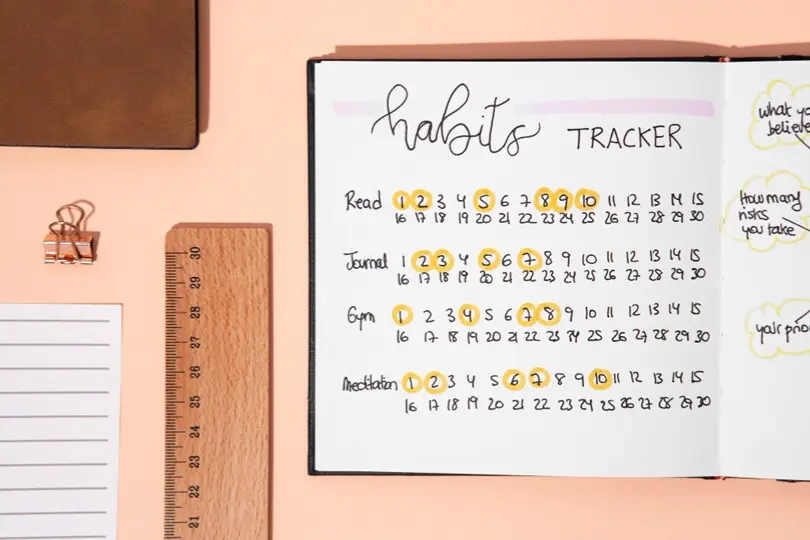
Sometimes the clearest sign that you need a reset is a calendar that leaves no space to think. Constant context switching drains attention and increases the chance you will skip basics like water, meals, or breaks. Try a boundary that fits your world. Time block one or two focus windows each day with notifications off. Set a hard stop for work three nights per week and keep it. Consolidate errands into a single trip rather than scattering them throughout the week. These choices protect your attention, which is the foundation for every other habit.
If social commitments feel heavy, practice a polite decline that you can use without guilt. You might say, “Thank you for inviting me, but I cannot make it this time.” Protecting your energy lets you show up more fully when you do say yes.
A Simple Seven-Day Reset Plan
If several signs resonate, try a short reset. For seven days, keep a consistent wake time, hydrate early, and build meals around protein, fiber, and colorful plants. Move your body daily, rotating between strength, easy cardio, and mobility. Set a ten-minute evening wind-down and keep screens out of reach for that window. Keep skin care basic and gentle. Tidy one small area each day to reduce visual noise. Write a short reflection on day seven about what changed. Keep the two or three habits that made the biggest difference.
Conclusion
Your body often whispers before it shouts. Energy swings, irritated skin, digestive shifts, shorter tempers, and stubborn soreness are common signals that a reset could help. You do not need a complicated plan. Small, steady choices in sleep, nutrition, movement, and boundaries are usually enough to restore balance. Pay attention to patterns, make adjustments you can sustain, and keep the habits that bring you back to yourself. In a life that will always have busy seasons, a gentle reset is a practical way to feel better and move forward with clarity.
Photo Credit:
Photo 1, Credit to Freepik || Photo 2, Credit to Freepik || Photo 3, Credit to Freepik (CC0 1.0)