TL;DR: Supporting a loved one with 9/11-related breast cancer involves practical help, emotional support, and navigating bureaucratic hurdles. Offer specific assistance with chores and appointments, listen without judgment, and help research essential benefits. The World Trade Center Health Program and Victim Compensation Fund offer vital monitoring and financial aid. Your informed, compassionate presence makes a huge difference in their healing journey, especially when dealing with unique 9/11 health challenges.
October is Breast Cancer Awareness Month, a great time to consider the best ways to care for and support friends and family who have been diagnosed with breast cancer, including anyone with 9/11-related breast cancer. Being diagnosed with breast cancer is challenging, especially for the many thousands of women (and men) who were in the NYC Exposure Zone in the aftermath of the terrorist attacks and have since developed serious health conditions, including 9/11-related breast cancer. If someone you care about is facing a breast cancer diagnosis, there are several meaningful ways you can offer support. In addition, read these inspiring “breast cancer stories of hope”.
Offer Practical Support, Like Errands or Projects
One of the most tangible ways to support someone with 9/11-related breast cancer is by offering practical help. Medical treatments, including surgery, chemotherapy, or radiation, can take a toll on a patient’s energy and time. Offer to run errands, pick up groceries, help with childcare, or assist with chores around the house. These day-to-day responsibilities can feel overwhelming for someone facing a breast cancer diagnosis and undergoing treatment, so taking on some of the burden can make a huge difference.
Offering specific help is often more effective than a general offer, so that the patient doesn’t have to do the work of thinking of how you can help. For example, saying, “Can I pick up groceries for you?” or “Would you like help with laundry this weekend?” rather than “How can I help?” gives them an immediate sense of relief and takes the mental work off their plate as well.
Listen to Them, and Be Honest and Compassionate in Return
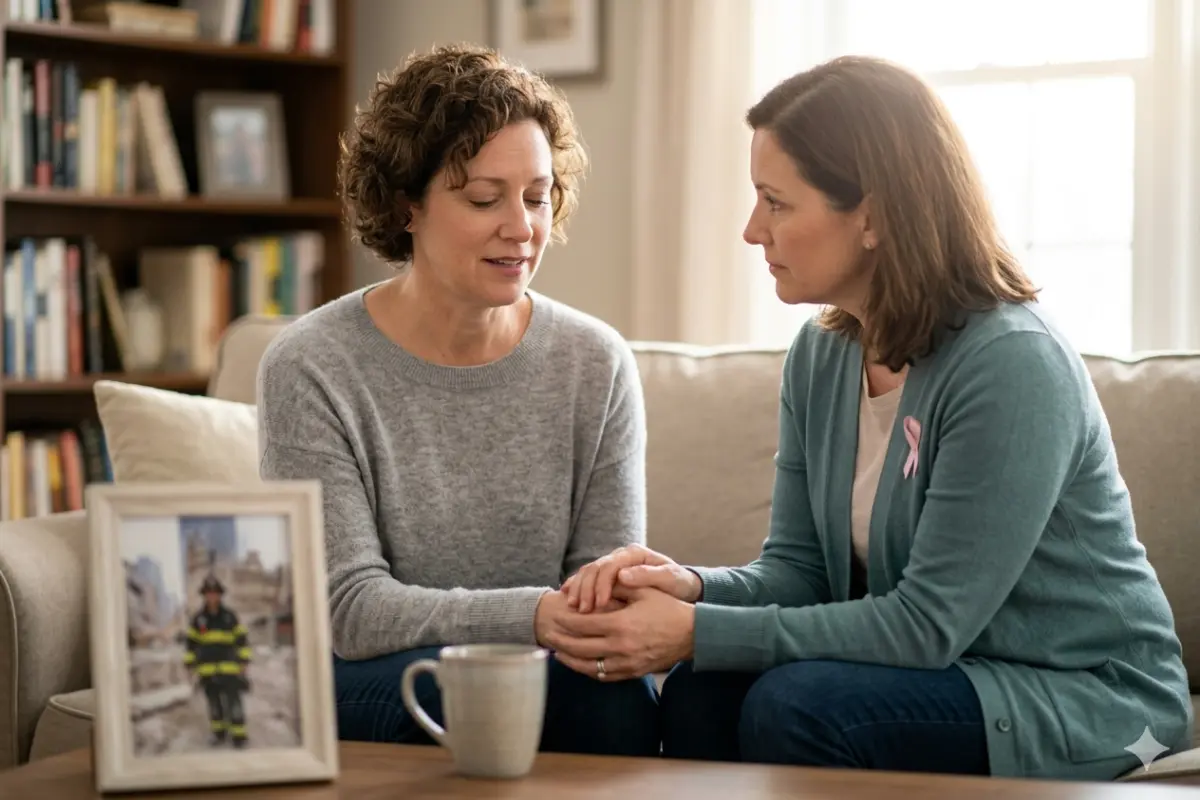
One of the most important things the team at Hansen & Rosasco does every day is to listen to our clients about both their illnesses and claims every day. Listening is one of the most powerful forms of support you can provide to someone with 9/11-related breast cancer. When a loved one is diagnosed, they may feel overwhelmed with information about their condition, treatment options, and the future, as well as renewed anger at the terrorist attacks. Being a patient listener gives them space to express their fears, concerns, and feelings. It’s important not to try to fix or solve their problems for them but to be present and empathetic. Asking questions can help facilitate meaningful conversation.
At the same time, being open and honest in return helps build trust. If you’re unsure how to respond or don’t know the right words, it’s okay to express that. Simple statements like “I’m here for you” or “I wish I had the right words, but I care about you” can mean a lot.
Include 9/11 Breast Cancer Victims in Activities
Breast cancer treatment can be physically and emotionally draining, but it’s crucial to help your loved one feel connected and included. Whether it’s inviting them to social gatherings, a short walk, or a quiet night in watching a favorite movie, staying engaged can give them a break from focusing on their illness.
It’s important to let them set the pace and not to pressure them into activities they aren’t up for. Even if they decline, knowing they’re included can be comforting. They may also appreciate low-key, low-energy activities like having a coffee or a chat over the phone. Being flexible and understanding is key.
Offer to Accompany Them to Appointments at the WTC Health Program
Medical appointments at the WTC Health Program, especially for breast cancer treatment, can be long, stressful, and scary. Offering to accompany your loved one to appointments can provide emotional support and ensure they have someone there to help remember details and ask important questions. Having a friend or family member present can make the whole process feel less daunting.
You can also help by offering or organizing transportation if they are too tired to drive themselves. Sometimes, just being in the waiting room or available for a phone call afterward can help cancer patients feel supported. Your presence can provide reassurance during an overwhelming time.
Help Research the VCF and WTCHP
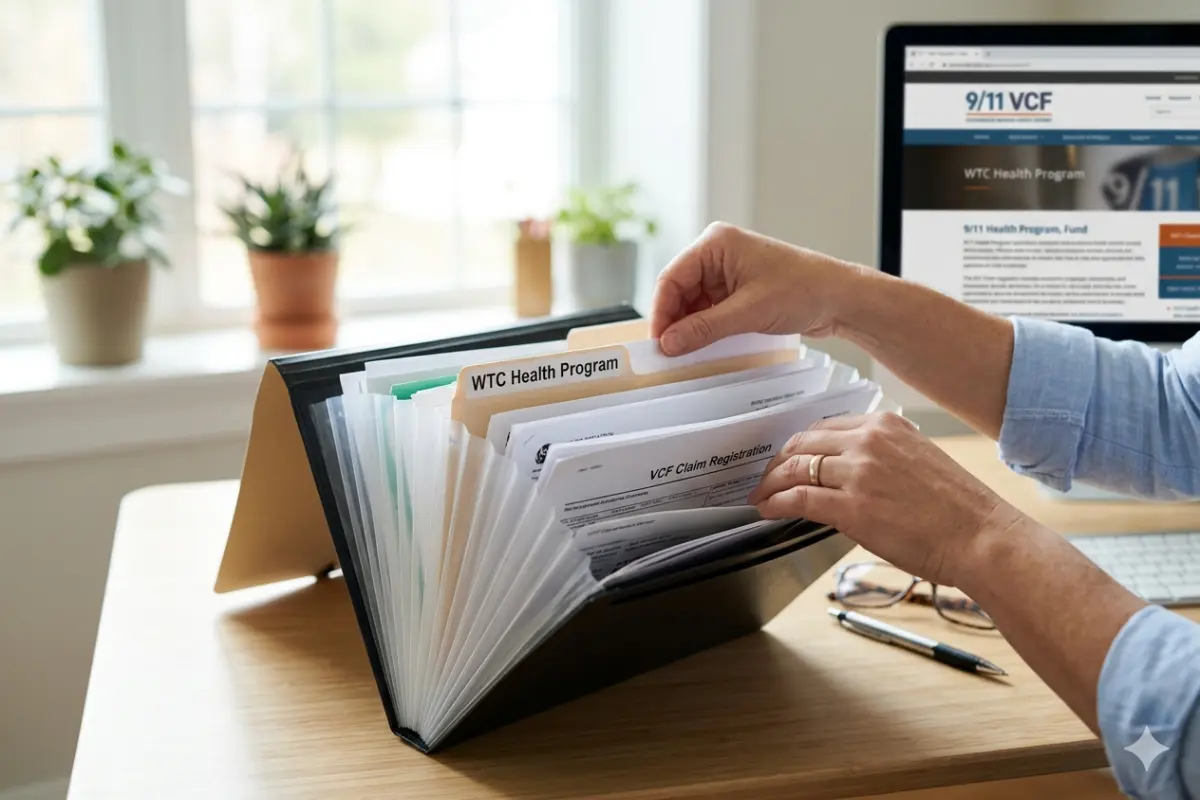
Navigating healthcare and compensation can be confusing for anyone, but for those with 9/11-related breast cancer, there are additional layers of support through the James Zadroga 9/11 Health and Compensation Act of 2010. This includes financial compensation for lost wages, pain and suffering, and reimbursement for out-of-pocket expenses related to 9/11-related medical conditions, through the September 11th Victim Compensation Fund (VCF), and no-cost medical monitoring and care through the World Trade Center Health Program (WTCHP).
Helping your loved one research these programs, gather the necessary documents, or find a law firm that is dedicated to representing 9/11 VCF claims can ease the burden. Ensure they are registered with and have their condition certified by the WTC Health Program, as this is necessary for receiving free healthcare and compensation for 9/11-certified conditions. An experienced VCF attorney can assist them in filing claims for financial compensation and maximizing their benefits.
By offering your time, compassion, and assistance with practical tasks like VCF claims and medical appointments, you can make a significant difference in the healing journey of a loved one facing 9/11-related breast cancer. If you need help, support, and care for your 9/11 Victim Compensation Fund and World Trade Center Health Program application, contact Hansen & Rosasco today at 911victimlawyer.com.
Frequently Asked Questions
Q. How does 9/11 exposure increase breast cancer risk?
A. The toxic dust and fumes released at Ground Zero contained numerous known carcinogens, which are chemicals that cause cancer. Research has established that exposure to these 9/11 toxins is linked to increased rates of various cancers, including breast cancer. For those in the NYC exposure zone, this risk remains a serious and ongoing health concern.
Q. What specific medical benefits does the WTCHP provide for breast cancer?
A. The World Trade Center Health Program (WTCHP) offers medically necessary treatment at no cost to certified 9/11 responders and survivors. For breast cancer victims, this includes surgeries, chemotherapy, radiation therapy, and necessary prescription drugs. They also provide regular monitoring and check-ups to catch any recurrence or related health issues early.
A. Any responder or survivor diagnosed with breast cancer verified by the WTCHP as related to their 9/11 exposure can file. This includes people present in Ground Zero, lower Manhattan, and other exposure areas during specific time frames after the attacks. Family members of someone who sadly died from 9/11-related breast cancer can also file wrongful death claims.
Q. What evidence is needed for a 9/11 VCF claim?
A. You need multiple pieces of evidence, including definitive proof you were in the specific NYC exposure zones during the required time. The VCF also requires medical certification of your condition from the World Trade Center Health Program to confirm your illness is 9/11-related. This extensive documentation is critical for a successful claim and receiving the full compensation you deserve.
A. Yes, men who were exposed to 9/11 toxins and diagnosed with breast cancer are absolutely eligible for the same benefits. While rarer in men generally, 9/11 toxic exposure has led to male breast cancer cases among responders and survivors. The WTCHP and VCF provide full medical monitoring, treatment, and financial compensation to qualified male victims.
About The Author:
James Bennett is a freelance health writer and researcher with a passion for translating complex medical information into clear, engaging content. With a background in journalism and a special interest in men’s health, James has spent the past decade crafting articles that empower readers to take charge of their well-being. His work often focuses on critical topics like prostate cancer, radiotherapy, and advancements in medical care, helping to demystify these issues for a wide audience. Outside of writing, James enjoys hiking, reading, and volunteering with local health advocacy organizations to promote awareness of early detection and preventive care.