
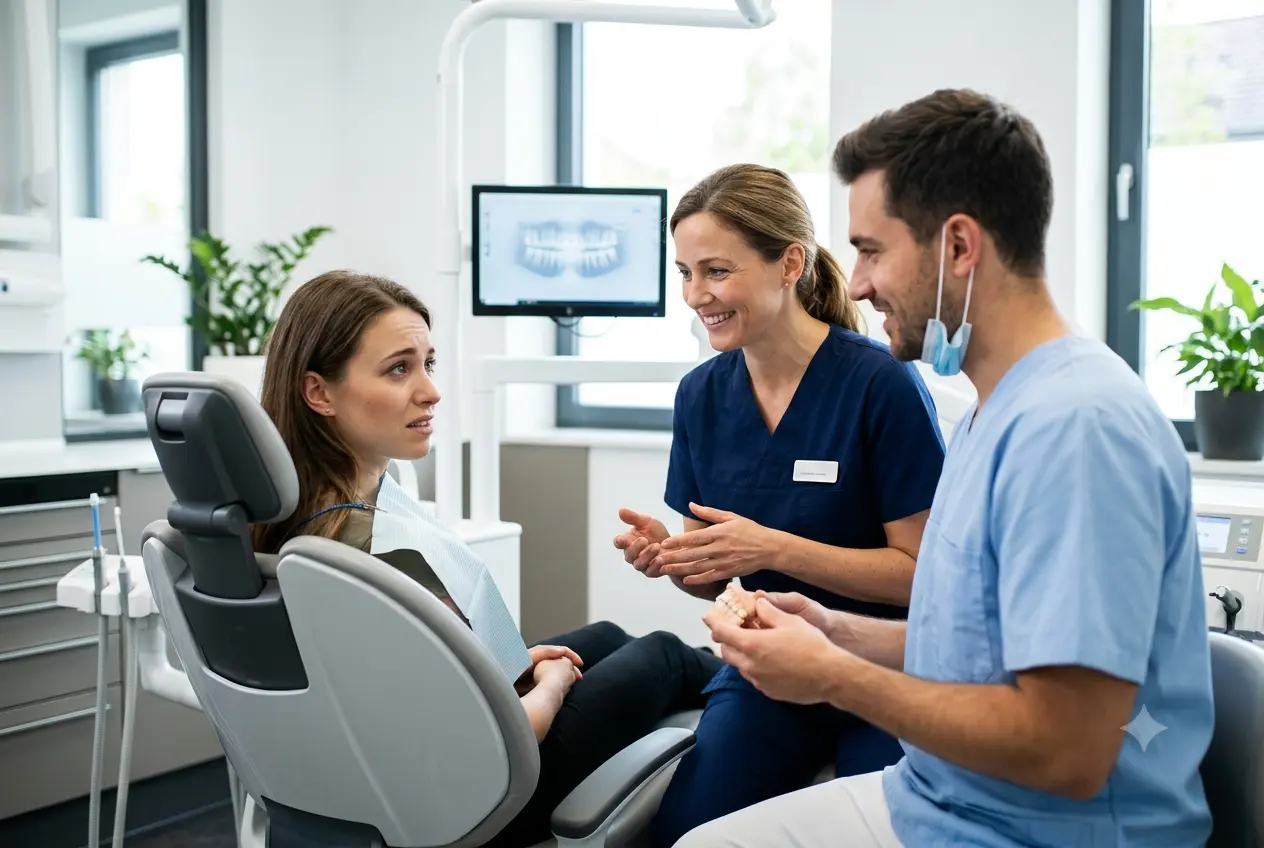
The patient experience in a dental office shapes everything from appointment retention to word-of-mouth referrals, and yet it remains one of the most overlooked areas of practice management. Many patients walk into dental appointments carrying a combination of anxiety, uncertainty, and a general discomfort with clinical environments.
The practices that stand out are the ones that go beyond clinical competency and make a deliberate effort to create an experience that feels human, efficient, and reassuring.
Improving that experience does not always require a major overhaul; sometimes it is a series of intentional changes across communication, technology, environment, and follow-up that collectively transform how patients feel about their care. When dentists prioritize the experience alongside the treatment, the results show up in patient loyalty, referral rates, and overall practice health.
How Can a Welcoming Dental Office Reduce Patient Anxiety?
The physical space of a dental office communicates volumes to a patient before a single word is spoken. That matters more than many practices assume: more than seven in ten adults report experiencing some level of dental fear, which means the moment someone steps into the waiting room, they are often already managing some degree of dread.
A waiting room that feels cold, outdated, or disorganized adds unnecessary stress to an already anxious visit. Investing in comfortable seating, warm lighting, pleasant scents, and calming background music creates an atmosphere that immediately signals care and intentionality. This isn’t just decor, research on waiting-room design has found that the emotional reaction and aesthetic appeal of a space are among the strongest factors shaping whether a patient feels satisfied and returns for future care.
Thoughtful touches like offering water, providing reading material, or displaying local artwork make the space feel less clinical and more welcoming. Reception staff play a critical role in this first impression as well, and a genuinely warm greeting from someone who knows the patient’s name can do more to reduce anxiety than almost anything else in the office.
How Can Dentists Personalize the Patient Experience Instead of Treating Everyone the Same?
Every patient walks into a dental office with different expectations, concerns, and comfort levels. A patient-centered practice doesn’t rely on the same approach for everyone. Instead, it adapts communication, treatment planning, and support based on each person’s unique needs, helping patients feel understood and more confident about their care.
Most discussions about patient experience focus on broad improvements that apply to every visitor. While those changes are important, experienced dental professionals know that personalization often makes the biggest difference. That instinct is backed by recent survey data: patients consistently rate feeling truly listened to and receiving clear communication above clinical expertise itself when asked what builds their trust in a provider.
Patients rarely remember every clinical detail from an appointment. They remember whether the team understood their concerns and adjusted the experience to make them feel comfortable.
Different Patients Need Different Approaches
Not every patient benefits from the same communication style.
For example, a patient visiting for cosmetic dentistry may want detailed information about treatment options, expected results, and timelines. An emergency patient, however, usually wants immediate pain relief and clear reassurance rather than lengthy explanations.
Likewise, a patient who has avoided the dentist for years due to fear often needs a slower pace and more emotional support than someone attending routine six-month checkups.
Recognizing these differences helps build trust much faster than following the same script with every patient.
Previous Dental Experiences Shape Today’s Expectations
Many patients carry emotional memories from earlier dental visits.
Someone who experienced painful treatment as a child may become anxious before even sitting in the dental chair. Others may have lost confidence after unexpected treatment costs or poor communication at another practice.
Simple questions during the initial consultation can uncover these concerns, such as:
- Have you had any difficult dental experiences?
- Is there anything that makes dental visits stressful?
How would you like us to explain today’s treatment?
These conversations help the dental team tailor care before anxiety grows.
Communication Should Match the Patient
Some patients want every detail.
Others simply want to know the essentials.
Giving too much information to an anxious patient can sometimes increase stress instead of reducing it. On the other hand, providing too little information to someone who values detailed explanations may reduce confidence.
Experienced clinicians adjust both the amount and style of communication throughout the appointment.
Small Personal Details Create Long-Term Loyalty
Personalization doesn’t always require advanced technology.
Remembering a patient’s preferred appointment time, asking about a previous treatment, or following up on an earlier concern shows genuine attention.
These small details often become the moments patients mention in online reviews because they demonstrate that the practice sees them as individuals rather than appointment numbers.
Practical Ways to Personalize Every Visit
Practices can personalize care by:
- Recording communication preferences in patient notes.
Identifying dental anxiety before treatment begins.
- Offering comfort options such as noise-canceling headphones or blankets.
- Adjusting explanations to match the patient’s level of understanding.
- Following up after complex procedures with a personal phone call instead of only an automated message.
Personalization isn’t about providing different standards of care. It’s about delivering the same high-quality care in a way that best fits each patient’s needs.
Why Is Clear Communication One of the Most Important Parts of the Patient Experience?
Patients who feel informed and included in their own care experience far less anxiety and far greater satisfaction with their outcomes. This isn’t a minor preference, surveys of patient experience across millions of encounters consistently find that clear communication and attentive listening are named as essential by nearly every patient surveyed, often ranking above other measures of care quality.
Before an appointment, clear and friendly reminders through text, email, or phone help patients arrive prepared and reduce no-shows. During the appointment, explaining each step before performing it, checking in on the patient’s comfort, and using plain language rather than clinical jargon builds trust and reduces fear.
After the appointment, a follow-up message asking how the patient is feeling and providing care instructions shows that the relationship extends beyond the chair. When communication flows consistently and with genuine warmth, patients feel respected and valued rather than processed.
Myth vs. Reality: What Actually Improves the Dental Patient Experience?
Many common beliefs about patient experience sound reasonable but don’t always reflect what patients value most. Looking beyond these myths helps practices focus on changes that genuinely improve trust, satisfaction, and long-term relationships.
| Myth | Reality |
|---|---|
| A modern office alone creates a great patient experience. | Comfortable surroundings help, but patients usually remember how they were treated more than the furniture or décor. |
| Faster appointments always make patients happier. | Efficiency matters, but feeling rushed can reduce confidence and make patients less likely to ask important questions. |
| The newest technology automatically builds trust. | Technology improves care when patients understand how it benefits them. Clear explanations matter just as much as the equipment itself. |
| Patients mainly judge the quality of treatment. | Clinical results are important, but many patients base their overall impression on communication, empathy, and professionalism throughout the visit. |
| More reminders always improve attendance. | Helpful reminders reduce missed appointments, but excessive notifications may frustrate some patients. The right balance depends on patient preferences. |
Why These Misconceptions Matter
Dental practices sometimes invest heavily in visible improvements while overlooking the interpersonal skills that influence patient loyalty.
A beautifully renovated office won’t overcome poor communication or long, unexplained delays. Likewise, advanced technology won’t reassure patients if they don’t understand why it’s being used.
The Most Valuable Improvements Often Cost Very Little
Some of the strongest patient experience improvements require little financial investment.
Greeting patients by name, explaining delays honestly, checking on comfort during treatment, and following up after significant procedures consistently leave lasting impressions.
These moments create emotional trust, which often influences patient retention more than expensive upgrades.
Focus on What Patients Actually Remember
Patients may forget the model of the scanner used during treatment, but they’ll remember whether the dentist listened, answered questions patiently, and respected their concerns.
Practices that balance clinical excellence with genuine human connection are more likely to earn positive reviews, referrals, and long-term patient loyalty.
How Does Modern Dental Technology Improve Patient Comfort and Treatment Outcomes?
Modern dental technology has the power to significantly improve both clinical outcomes and the patient experience, particularly when it reduces discomfort and shortens treatment timelines.
Digital tools that minimize the need for messy impressions or multiple fittings are especially appreciated by patients who find traditional methods uncomfortable. One of the most impactful advancements in this space is dental photogrammetry, which allows for extraordinary levels of accuracy in capturing oral anatomy and translating that precision directly into prosthetic and restorative treatments. Comparative testing of implant impression methods has found that photogrammetry consistently outperforms both traditional impressions and intraoral scanning in terms of accuracy, which translates into better-fitting restorations and fewer follow-up adjustments for patients.
When patients see that a practice uses cutting-edge tools that reduce errors and speed up results, their confidence in the practice grows substantially. Embracing technology is not just about staying competitive; it is about demonstrating a genuine commitment to the patient’s time, comfort, and outcome.
When Can Patient Experience Strategies Backfire?
Most patient experience strategies work well, but they aren’t universal. A technique that reassures one patient may overwhelm another. The best dental practices don’t follow rigid checklists. They recognize when to adjust their approach based on the patient’s needs, personality, and situation.
Improving the patient experience isn’t always about doing more. Sometimes, it’s about knowing when to do less.
Experienced dentists understand that every patient responds differently. Reading the situation and adapting in real time often leads to better outcomes than applying the same strategy to every appointment.
More Information Isn’t Always Better
Patients often appreciate clear explanations, but the amount of information should match their preferences.
For example, an engineer may want to understand every step of a crown procedure before treatment begins. A highly anxious patient may only want a simple overview followed by reassurance that they’ll be comfortable throughout the visit.
Giving too much detail to someone already feeling nervous can unintentionally increase anxiety.
Technology Should Support the Conversation, Not Replace It
Digital scanners, intraoral cameras, and treatment simulations help patients visualize their oral health. However, relying too heavily on technology without explaining the findings can leave patients feeling confused.
Instead of assuming patients understand what they’re seeing, walk them through the images in plain language and explain why the information matters to their treatment.
Convenience Looks Different for Different Patients
Online scheduling and digital forms save time for many people. However, some older adults or patients with limited digital skills still prefer speaking directly with a staff member.
Offering multiple scheduling options allows patients to choose the method that makes them most comfortable.
Every Patient Has a Different Comfort Level
Many practices offer blankets, music, or noise-canceling headphones to reduce stress. While these options can improve comfort, some patients prefer a quieter, simpler environment.
The best approach is to offer choices instead of making assumptions.
The Goal Is Flexibility, Not Perfection
Exceptional patient care isn’t about following a script. It’s about paying attention to verbal and nonverbal cues throughout the visit.
When dentists and team members stay flexible, patients feel heard instead of managed. That personal attention often becomes one of the strongest reasons patients return and recommend the practice to others.
Why Does an Empathetic Dental Team Improve Patient Satisfaction?
The clinical quality of dental care matters enormously, but patients often rate their experience based primarily on how the staff made them feel throughout the visit. This isn’t only anecdotal: research into patient loyalty in clinical settings has found that both the relationship side of care, communication and involvement, and the functional side both directly shape whether patients stay loyal and return, often more strongly than the treatment outcome alone.
Ongoing training in empathy, active listening, and patient communication equips team members to handle a wide range of personalities and anxiety levels with skill and compassion.
Staff should be encouraged to acknowledge patient concerns without dismissing them, to speak calmly and clearly, and to take their cues from the patient’s body language and emotional state.
A practice culture that prioritizes kindness and attentiveness from the front desk to the treatment room creates a consistent experience that patients remember and return to. Investing in your team’s interpersonal skills is every bit as important as investing in their clinical ones.
How Can Better Scheduling Improve the Patient Experience?
Few things frustrate dental patients more than arriving on time, only to wait well past their appointment without explanation or acknowledgment. Efficient scheduling systems, realistic appointment windows, and proactive communication when delays occur show patients that their time is valued.
Reminders themselves work best when they respect how each patient prefers to be reached. A study tracking appointment attendance in a private practice found that letting patients choose between phone, email, or text reminders produced some of the lowest no-show rates recorded, with text messaging performing best of all.
Online booking options, digital intake forms, and automated appointment confirmations reduce friction and make the administrative side of dental care far more convenient. When a practice runs on time and communicates clearly, patients associate that reliability with professionalism and respect. Small operational improvements in scheduling and flow can have an outsized impact on patients’ perception of the overall quality of their care.
Advanced Practice Management: How Leading Dental Practices Measure Patient Experience
Patient experience shouldn’t rely on assumptions or occasional compliments. The most successful dental practices measure patient satisfaction using clear performance indicators and use that information to improve every stage of the patient journey.
As practices grow, maintaining a consistently excellent experience becomes more challenging. Measuring results helps identify problems before they affect patient retention or online reputation.
Key Performance Indicators That Matter
Leading practices look beyond production numbers and monitor metrics that reflect the overall patient experience.
Some of the most useful indicators include:
| Metric | What It Reveals | Why It Matters |
|---|---|---|
| Appointment cancellation rate | Patient commitment | Rising cancellations may indicate scheduling or communication issues. |
| No-show rate | Patient engagement | Frequent no-shows often highlight reminder or convenience problems. |
| Average waiting time | Operational efficiency | Long waits reduce satisfaction even when treatment quality is high. |
| Treatment acceptance rate | Trust and communication | Lower acceptance may signal that patients don’t fully understand recommended care. |
| Patient retention rate | Long-term loyalty | Returning patients indicate consistent satisfaction and trust. |
| Referral rate | Patient advocacy | Referrals often reflect strong relationships rather than marketing alone. |
| Online review trends | Overall patient perception | Repeated comments reveal strengths and recurring problems. |
Look for Patterns Instead of Isolated Events
Every practice receives occasional criticism.
Instead of reacting to a single negative review, examine recurring themes over several months.
If multiple patients mention long wait times, confusing financial discussions, or difficulty reaching the office by phone, those patterns deserve immediate attention.
Include the Entire Team in Quality Improvement
Patient experience isn’t created by dentists alone.
Receptionists, dental assistants, hygienists, treatment coordinators, and billing staff all influence how patients feel throughout their visit.
Reviewing patient feedback together helps every team member understand where improvements are needed.
Measure, Improve, Repeat
The strongest practices treat patient experience as an ongoing process rather than a one-time project.
Regularly reviewing patient feedback, operational metrics, and team performance helps create steady improvements over time.
Small adjustments made consistently often produce greater long-term results than major changes implemented only once.
Conclusion
The patient experience is not a secondary concern to clinical excellence; it is a direct extension of it. Dentists who invest thoughtfully in their environment, communication, technology, staff culture, and operational efficiency create practices where patients feel genuinely cared for at every step.
Those patients return, refer others, and become advocates for the practice in ways that no marketing campaign can replicate. The commitment to a better patient experience is, ultimately, a commitment to better dentistry.
About The Author:
Tany Clarck is a renowned blogger who specializes in the medical genre, especially in dental health. He has more than a thousand articles to his credit about perfect health. On numerous occasions, he has spoken about TMJ disorder, Oral hygiene, and similar mega trends related to dentists in Grand Prairie. In this article, he has researched the latest dental implant trends that are very popular in Fort Worth.
Medical disclaimer: This content is for informational purposes only and is not a substitute for professional medical advice.