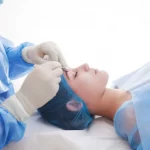

When it comes to treating thyroid nodules, safety and effectiveness are top priorities for both patients and healthcare providers. Traditional surgical methods have long been the standard, but they often involve significant recovery time, potential complications, and visible scarring. In recent years, minimally invasive techniques have emerged as a promising alternative, offering patients a safer and more comfortable experience. One such technique has gained attention for its ability to deliver excellent outcomes while minimizing risks.
Minimally Invasive Approach
Unlike conventional surgery, radiofrequency ablation (RFA) is performed using a needle-like electrode inserted through the skin under ultrasound guidance. This approach eliminates the need for large incisions, reducing trauma to surrounding tissues. Patients typically undergo the procedure under local anesthesia, which further lowers the risks associated with general anesthesia. The minimally invasive nature of RFA translates into shorter recovery times, less pain, and a quicker return to normal activities.
Reduced Risk of Complications
Safety is a critical factor in any medical procedure, and RFA stands out for its low complication rates. Traditional thyroid surgery can lead to issues such as vocal cord paralysis, hypocalcemia, and noticeable scarring. In contrast, RFA minimizes these risks by targeting only the affected tissue without disturbing healthy structures. The precision of the technique, combined with real-time imaging, ensures that critical areas like nerves and blood vessels remain unharmed.
Preserving Thyroid Function

Another advantage of RFA is its ability to preserve thyroid function. Surgical removal of nodules often involves partial or total thyroidectomy, which can result in lifelong hormone replacement therapy. RFA, however, focuses on shrinking the nodule rather than removing the gland entirely. This targeted approach allows patients to maintain normal thyroid activity, reducing the need for ongoing medication and improving overall quality of life.
Proven Effectiveness and Patient Comfort
Clinical studies have demonstrated that RFA effectively reduces the size of benign thyroid nodules, alleviating symptoms such as discomfort, difficulty swallowing, and cosmetic concerns. Patients report high satisfaction rates due to the procedure’s simplicity and minimal downtime. For individuals seeking a safe and reliable alternative to surgery, thyroid RFA offers a compelling solution backed by evidence and growing adoption in medical practice.
Conclusion
As healthcare continues to evolve, treatments that prioritize patient safety, comfort, and long-term well-being are essential. Radiofrequency ablation represents a significant step forward in thyroid care, providing an option that is both effective and minimally invasive. For patients and providers alike, this technique offers peace of mind and a pathway to better outcomes without the drawbacks of traditional surgery.
Photo Credit:
Photo 1, Credit to Freepik || Photo 2, Credit to Freepik (CC0 1.0)