
Last updated: 5th May, 2026
TL;DR: Creating a safe home environment is essential for supporting a loved one with dementia and reducing caregiver stress. This guide details six critical household modifications—such as improving lighting, removing trip hazards, and simplifying living spaces—designed to prevent accidents and minimize confusion. By implementing these practical physical changes, you can help maintain your loved one’s independence and safety while preparing for the possibility of more specialized care in the future.
When dementia enters a family’s life, the home that once felt completely familiar can become surprisingly challenging to navigate. Simple tasks that never required a second thought suddenly demand careful attention, and spaces that seemed perfectly safe may hide unexpected hazards.
The good news? Thoughtful modifications can transform a living environment into one that genuinely supports someone facing cognitive changes. These adjustments aren’t just about preventing accidents. They’re about preserving dignity, encouraging independence, and creating spaces where people can continue living with confidence.
Here are six potential household changes for people with dementia.
1. Enhancing Lighting Throughout the Home
Lighting might seem like a minor detail, but it’s actually one of the most powerful tools for supporting someone with dementia. As cognitive abilities shift, the brain may struggle more with processing visual information, especially in poorly lit spaces. Shadows can look like obstacles, and dim corners might seem threatening or confusing. Bright, even illumination throughout the house helps eliminate these visual puzzles and makes navigation much more straightforward.
2. Removing Tripping Hazards and Obstacles
Falls represent one of the most serious risks for people living with dementia, and the home environment plays a huge role in either preventing or contributing to these incidents. Those beautiful area rugs? They’re unfortunately notorious for catching toes and causing stumbles, even when they’ve got non-slip backing. Depth perception changes mean that the edge of a rug can be nearly invisible, making it a hidden hazard. Furniture arrangement matters more than most people realize. Pieces that jut into walkways or create narrow passages between rooms become obstacles that weren’t problematic before.
3. Simplifying the Bathroom Environment
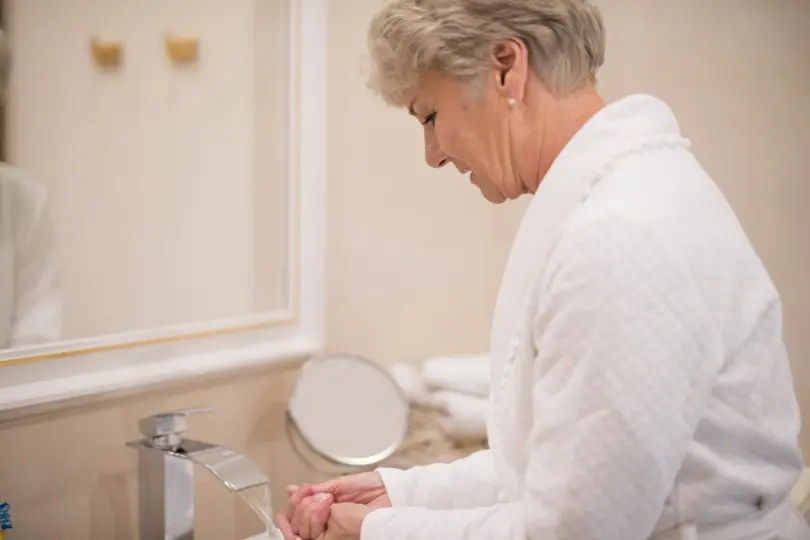
Bathrooms concentrate multiple safety challenges into one small space: hard surfaces, water, privacy needs, and complex mechanical fixtures. The combination of these elements makes this room particularly risky for individuals with cognitive or physical limitations. Grab bars installed strategically near toilets and inside showers provide crucial stability points during moments when balance feels uncertain. These supportive features can seamlessly integrate into the bathroom’s aesthetic; modern grab bars come in attractive finishes that complement any décor style, from traditional to contemporary. The placement of these stability aids requires careful consideration to ensure they provide maximum support while remaining easily accessible. Additional safety measures in the bathroom might include non-slip mats with secure backing, adequate lighting that eliminates shadows, and clear organization of personal care items to maintain independence while reducing confusion.
4. Securing the Kitchen for Safety
Kitchens might overflow with potential hazards, from sharp objects and hot surfaces to electrical appliances and chemical cleaners. The kitchen’s role as the heart of daily activities makes safety modifications particularly important in this space. Stove safety becomes paramount; removing knobs when the stove isn’t in use or installing protective guards prevents accidental activation that could lead to fires or burns. Sharp knives, scissors, and other cutting implements should be moved to locked drawers, keeping them available for meal preparation while preventing injury during confused moments. Appliances that heat benefit from automatic shut-off features that prevent them from staying on indefinitely. When implementing these household modifications, families might work with Alameda senior care services, for example, to ensure comprehensive safety planning that addresses both environmental changes and daily care needs. Labels on cabinets, whether words, pictures, or both, help maintain independence by making it easier to locate dishes, food, and cooking items without frustration.
5. Managing Doors, Locks, and Exit Points
Wandering presents one of the most frightening scenarios for families, with individuals potentially leaving home and becoming lost or endangered. Exit security requires careful thought that balances safety with dignity and independence. Installing locks that require keys, codes, or special knowledge prevents unsupervised departures while still allowing emergency exit if necessary. The strategic positioning of these locks at unusual heights makes them less noticeable and harder to operate without conscious thought. Additional security measures might include door alarms or monitoring systems that alert family members to movement while preserving privacy and autonomy.
6. Creating Visual Cues and Memory Aids
The environment itself can serve as a support system through strategic use of visual information and familiar elements. Clear labeling throughout the house helps with navigation and reduces the frustration of opening multiple doors to find the right room. The effectiveness of these visual aids increases when they incorporate both words and pictures, making them accessible regardless of reading ability. Contrasting colors between walls, floors, and furniture make spatial relationships clearer and help objects stand out rather than blending into confusing visual noise. The thoughtful use of color can define different areas of the home and create natural wayfinding cues. Personal photographs, treasured mementos, and familiar belongings provide more than decoration; they offer grounding connections to identity and important relationships. These meaningful items can be arranged in memory stations or specific areas that encourage engagement with cherished memories while maintaining a clutter-free environment.
When Home Modifications Are Not Enough
While these household changes can significantly improve daily safety and comfort, there may come a time when a loved one requires more comprehensive, professional support. Transitioning to a specialized environment can offer access to advanced safety features and therapeutic activities that are difficult to replicate at home. If you are exploring further support, consider researching modern memory care options for loved ones to find a solution that balances high-tech safety with compassionate, personalized care.
Conclusion
Creating a dementia-friendly home emerges as an ongoing journey that adapts and evolves alongside changing needs. Each thoughtful modification weaves into the larger tapestry of maintaining safety while preserving the essential independence and dignity that bring meaning to daily life. The uniqueness of each home environment presents distinct layouts and possibilities that call for carefully tailored solutions fitting the specific needs of the family and individual.
Frequently Asked Questions
Q. Why is lighting so important for someone with dementia?
A. As cognitive function declines, the brain may struggle to interpret shadows or glare, leading to increased confusion or falls. Bright, uniform lighting helps seniors navigate their environment more confidently and can reduce the effects of “sundowning” in the evening.
Q. How can I prevent wandering within the home?
A. Installing simple safety locks, door alarms, or using visual cues like “stop” signs on exit doors can help deter unsupervised wandering. For higher-risk situations, modern memory care facilities often use advanced monitoring tech that allows for freedom of movement within a secure perimeter.
Q. What are the most common trip hazards to remove?
A. Loose rugs, cluttered walkways, and extension cords are the primary causes of falls in a senior’s home. Replacing rugs with non-slip flooring and ensuring all paths are clear can significantly lower the risk of serious injury.
Q. Should I label cabinets and drawers in the house?
A. Yes, using clear labels or even pictures on drawers and cabinets can reduce frustration for those struggling with memory loss. This simple modification allows individuals to maintain a sense of independence by helping them find essential items like clothing or kitchen supplies on their own.
Q. When is it time to consider a professional care facility over home care?
A. If the senior begins wandering frequently, experiences frequent falls, or if the caregiver is suffering from extreme burnout, a professional environment may be safer. Communities specifically designed for memory care provide 24/7 supervision and specialized activities that a standard household often cannot accommodate.
Photo Credit:
Photo 1, Credit to FreePik || Photo 2, Credit to Freepik (CC0 1.0)