
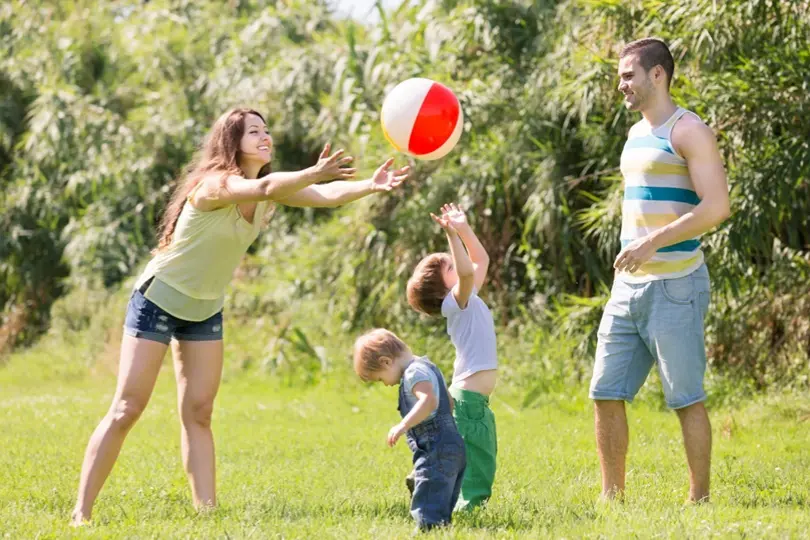
Outdoor play is essential for both children and adults. It provides entertainment, excitement, and an invaluable connection with nature. Whether it’s families pushing children on swings, friends gathering for a football match, or picnickers enjoying a sunny afternoon, these activities foster positive emotions and promote physical well-being.
However, ensuring that outdoor fun remains safe requires careful attention to the environment, behavior, and supervision.
Creating Safe Play Environments
A secure play area begins with the surface beneath our feet and the condition of the equipment itself. Hard ground—concrete, asphalt, or packed dirt—can cause serious injuries if a child falls. Installing impact-absorbing materials such as sand, wood chips, or rubber tiles helps cushion falls and reduce harm. Equally important is inspecting play structures regularly to confirm they are sturdy and free from sharp edges, loose screws, or splintered wood. Defining clear boundaries—through fencing, low hedges, or painted lines—keeps children in sight and prevents them from wandering into streets or other hazards.
- Check the ground surface: Avoid hard concrete or packed dirt. Use sand, wood chips, or rubber tiles to cushion falls.
- Inspect equipment regularly: Look for loose bolts, sharp edges, or splintered wood.
- Set clear boundaries: Fences, painted lines, or hedges help keep children within safe areas and away from streets.
Teaching Awareness and Responsible Behavior
Safety isn’t just about surroundings; it’s also about how people use them. Teaching children—and reminding adults—to respect equipment and understand the risks of certain activities encourages responsible play. Simple instructions on how to swing properly, slide safely, and climb with care can substantially minimize falls and collisions. Older children should learn to share space, take turns, and remain aware of others’ movements. By instilling respect for both the equipment and fellow players, we create a more considerate and accident-resistant environment.
Staying Hydrated and Protecting Against the Weather
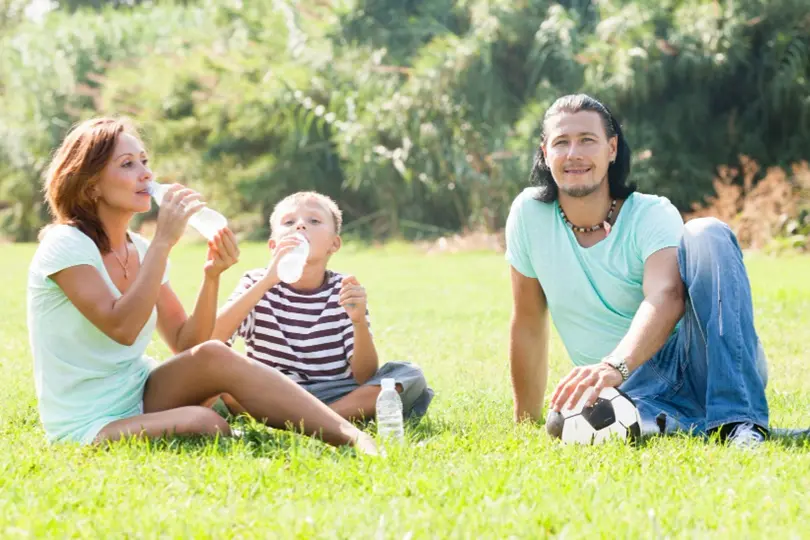
Outdoor play inevitably exposes us to the elements. On hot days, dehydration and heat-related illnesses can strike before anyone realizes they’re at risk. Encouraging regular water breaks and providing shaded rest areas helps every participant stay safely hydrated. Applying sunscreen and wearing lightweight, breathable clothing further protects against sunburn and overheating. Conversely, windy or cold weather calls for layered clothing, hats, and gloves to prevent hypothermia or frostbite. By monitoring weather forecasts and adjusting attire and activity schedules accordingly, families and supervisors can ensure comfort and safety in any season.
- In hot weather: Take water breaks every 20–30 minutes, wear hats, and use sunscreen.
- In cold weather: Dress in layers, wear gloves and hats, and limit exposure during extreme cold.
- Check the forecast: Adjust playtime to avoid heatwaves, storms, or frostbite risks.
Vigilance Against Strangers and Unwanted Intrusions
Public play spaces attract a diverse range of visitors, and maintaining security is crucial. Parents and guardians should remain vigilant to unfamiliar faces and trust their instincts if someone appears out of place. Teaching children never to leave the play area with strangers and to seek help from known adults reinforces their safety. Physical measures—such as secure fencing, locked gates, or supervised entry points—add an extra layer of protection. Installing reliable GW Security Camera Systems can also deter unwanted behavior and provide real-time alerts to potential intruders. In busy parks or residential yards, clear sightlines and routine headcounts ensure everyone stays accounted for.
Maintaining Clean and Healthy Spaces
A playful environment can quickly turn hazardous if cleanliness is neglected. Litter, broken glass, and animal waste pose injury and infection risks. Before any play session, a quick inspection of the area can identify and remove dangerous debris. Regular maintenance—whether by homeowners, community groups, or park services—keeps public and private spaces inviting and hygienic. Encouraging hand washing with soap and water after playing, and teaching children not to eat food off the ground, further reduces the chance of illness. When everyone pitches in to keep playgrounds clean, the result is a healthier experience for all.
Quick Outdoor Play Safety Checklist
- Before your child starts playing:
- Ground surface is soft and impact-absorbing
- Equipment is sturdy and damage-free
- Weather-appropriate clothing is worn
- Drinking water is available
- Area is free from sharp objects or waste
- Adult supervision is present
Conclusion
Playtime protection is an ongoing commitment to planning, supervision, and education. By maintaining equipment, teaching responsible behavior, preparing for weather extremes, safeguarding against intruders, and upholding cleanliness, we create outdoor spaces that are both fun and safe. Vigilance and proactive measures transform potential hazards into manageable risks, ensuring that every swing, slide, and soccer match ends with smiles—rather than trips to the emergency room. With thoughtful practices in place, outdoor play remains the joyful, rejuvenating activity it was always meant to be.
Photo Credit:
Photo 1, Credit to Freepik || Photo 2, Credit to Freepik (CC0 1.0)