
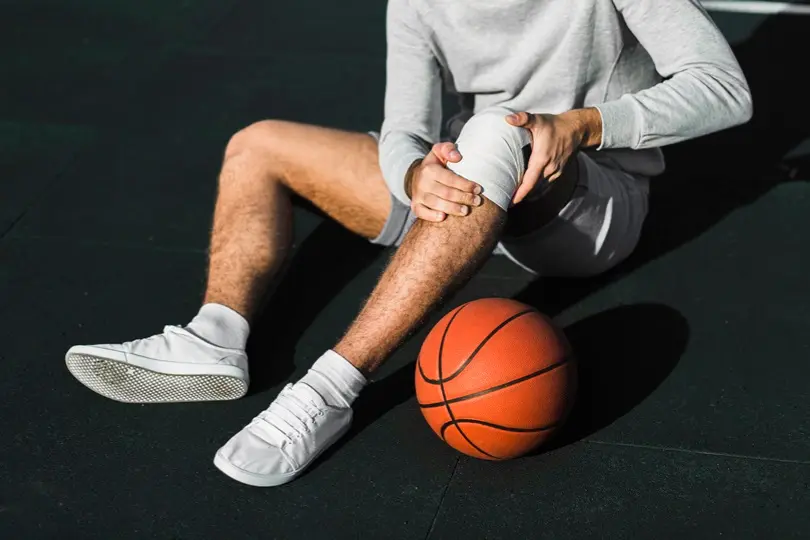
Sports injuries can throw a wrench into your routine, affecting not just your physical capabilities but your mental state, too. Whether you’re competing at a high level or just enjoying weekend pickup games, knowing some ways to properly manage and bounce back from sports-related injuries makes a difference.
Here are some ways to cope with sports injuries.
Understanding the Emotional Impact of Sports Injuries
The mental side of dealing with a sports injury doesn’t get talked about enough, yet it’s often one of the toughest parts of recovery. The emotional toll can feel overwhelming as athletes grapple with their temporary limitations and uncertain timeline for return. When you get hurt, you might feel frustrated, anxious, or even down as you watch from the sidelines. For many athletes, their sport isn’t just an activity; it’s a huge part of who they are and where they find community. That separation can hit hard. The psychological impact often extends beyond the playing field into other areas of life, affecting relationships, work performance, and overall well-being. Athletes might experience a range of emotions throughout their recovery journey, from initial shock and denial to eventual acceptance and determination.
Implementing Proper Rest and Recovery Protocols
Rest sits at the core of any effective injury recovery plan, though it’s probably the hardest pill to swallow for most athletes. Your body genuinely needs downtime to repair damaged tissues, calm inflammation, and rebuild strength where it matters. The healing process requires patience and dedication to following proper recovery protocols. Trying to push through pain or jumping back too early dramatically raises your chances of getting hurt again, possibly creating long-term issues that could keep you out even longer. But understand that rest doesn’t always mean doing absolutely nothing. Active recovery can play a vital role in maintaining mobility and preventing muscle atrophy while allowing injured areas to heal properly. And recovery may involve some medical procedures. For example, when contact sports result in facial trauma, athletes sometimes consult specialists like an implant dentist in Sacramento, or in other areas, to replace missing teeth.
Maintaining Physical Fitness During Recovery
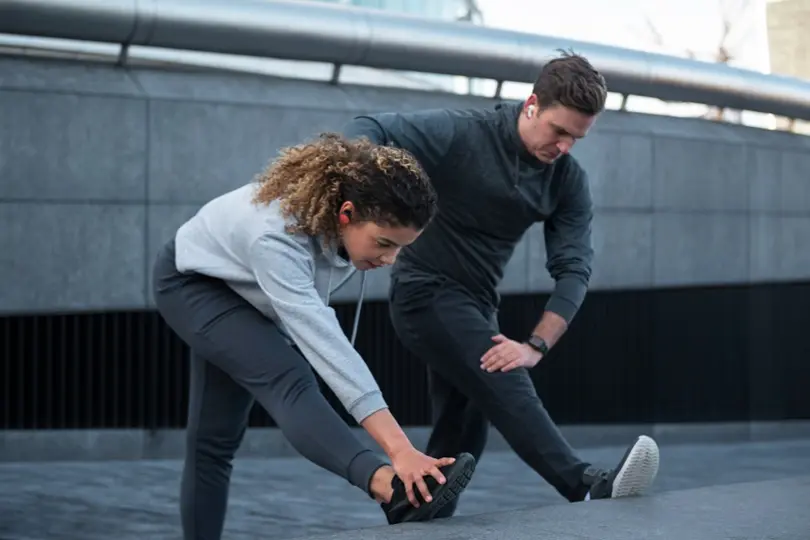
Staying physically active within your injury’s limits prevents you from losing conditioning and keeps your spirits up throughout recovery. The key lies in finding the right balance between rest and modified activity that supports healing while maintaining overall fitness. You may want to partner with your physical therapist or trainer to find alternative exercises that keep you engaged without compromising your healing. The focus should remain on maintaining strength and flexibility in unaffected areas while allowing injured parts to heal properly.
Exploring Other Hobbies
When sports injuries force athletes to step away from their beloved activities, exploring alternative hobbies emerges as a powerful coping strategy that transforms challenging recovery periods into meaningful opportunities for personal development. Athletes who shift their focus to different activities maintain their sense of purpose and achievement while giving their bodies the necessary time to heal. The pursuit of new interests provides vital mental engagement during this period, helping individuals navigate through emotional challenges that typically surface during extended breaks from athletic activities. The true value of this approach is evident in its ability to develop new skills and interests that might have otherwise remained hidden, contributing to a more diverse and enriched personality.
The journey of discovery often leads to unexpected fun as temporary diversions evolve into lasting interests, adding new dimensions to athletes’ lives well beyond their recovery phase. This redirection of energy and attention builds resilience and adaptability, which are qualities that prove invaluable both in sports and life. The experience of exploring alternative pursuits during recovery creates a broader perspective on personal fulfillment and success. Athletes often find themselves developing new passions that complement their sporting lives, leading to a more balanced and satisfying lifestyle. These newly discovered interests serve as valuable emotional anchors during challenging times, providing stability and continued personal growth even when primary athletic pursuits must temporarily take a back seat.
Building Mental Resilience and Prevention Strategies
The psychological strength developed during recovery becomes a valuable asset for facing future challenges with enhanced confidence and poise. This period offers unique opportunities to explore your sport from different perspectives, allowing you to gain deeper insights into techniques and strategies. Athletes often find that analyzing game footage or technical videos reveals nuances they might have missed before. The experience gained through injury and recovery also becomes particularly meaningful when shared with younger athletes, creating valuable mentoring relationships that benefit both parties. The transition back to active participation requires thoughtful preparation and preventive measures. A comprehensive injury prevention strategy becomes essential for long-term athletic success.
Conclusion
A successful recovery from sports injuries encompasses multiple dimensions. Athletes who approach their recovery with patience and dedication often find themselves returning to their sport, if they choose to, with enhanced awareness, improved techniques, and stronger mental fortitude than before.
Photo Credit:
Photo 1, Credit to Freepik || Photo 2, Credit to Freepik (CC0 1.0)