
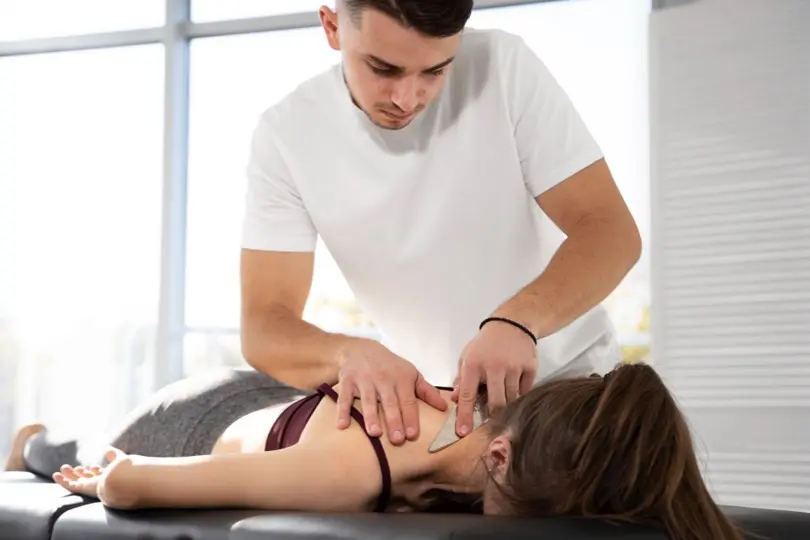
Flexibility and mobility are essential components of athletic performance and overall physical health. Whether you’re a professional athlete, a weekend warrior, or someone committed to fitness, maintaining a full range of motion can prevent injuries and enhance movement efficiency. One of the most effective ways to achieve this is through sports massage—a targeted therapy designed to improve muscle function and joint flexibility.
Let’s explore how sports massage works and why it’s a game-changer for anyone looking to move better.
Understanding the Role of Sports Massage
Sports massage is a specialized form of massage therapy that focuses on muscles used during physical activity. Unlike traditional relaxation massage, sports massage employs techniques such as deep tissue work, stretching, and trigger point therapy to address muscle tension and imbalances. These methods help break down adhesions, improve circulation, and restore optimal muscle length, which directly impacts flexibility and mobility.
Unlike relaxation massage, it uses techniques such as:
- Deep tissue pressure
- Trigger point therapy
- Assisted stretching
- Myofascial release
These techniques help break down muscle adhesions, improve circulation, and restore optimal muscle length. When muscles can lengthen and contract properly, both flexibility and mobility improve naturally.
Reducing Muscle Tension and Stiffness
One of the primary benefits of sports massage is its ability to relieve muscle tension. Tight muscles restrict movement and can lead to compensatory patterns that increase injury risk. By applying targeted pressure and stretching techniques, sports massage releases knots and reduces stiffness, allowing muscles to move freely. This improved elasticity translates into better flexibility, making it easier to perform dynamic movements without strain.
Sports massage targets these problem areas by:
- Releasing muscle knots and trigger points
- Improving blood flow to oxygen-starved tissues
- Reducing muscle guarding caused by overuse or stress
As tension decreases, muscles regain elasticity, making movements smoother and less restricted. This is especially beneficial for activities requiring dynamic motion, such as running, jumping, or lifting.
Enhancing Joint Mobility Through Muscle Balance
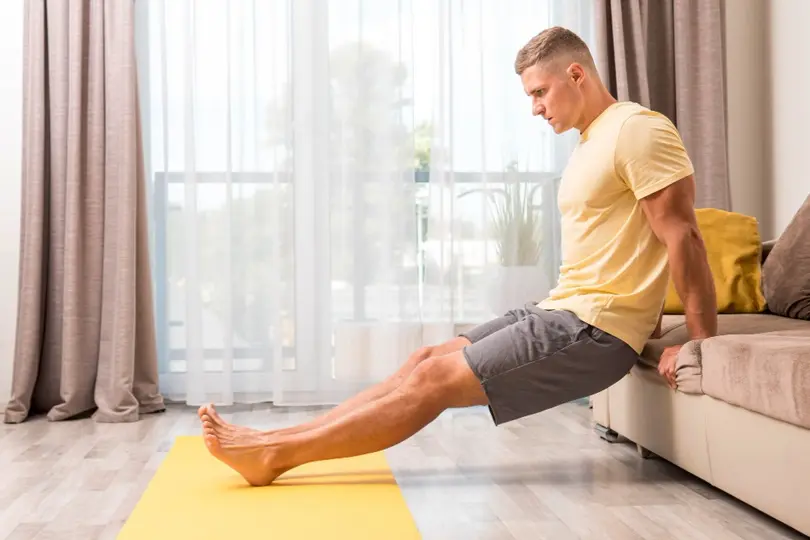
Flexibility isn’t just about muscles—it also involves joints. Sports massage improves joint mobility by reducing surrounding muscle tightness and promoting better alignment. When muscles around a joint are relaxed and balanced, the joint can move through its full range of motion without restriction. This is particularly important for athletes who rely on fluid, efficient movements in sports like running, swimming, or weightlifting.
Sports massage improves joint mobility by:
- Relaxing the tight muscles surrounding the joints
- Reducing uneven muscle pull that restricts movement
- Supporting better posture and alignment
When muscles around joints like the hips, shoulders, and knees are balanced, joints move more freely and efficiently, reducing wear and tear over time.
Supporting Recovery and Performance
Regular sports massage sessions don’t just improve flexibility—they also accelerate recovery. Intense training creates micro-tears in muscle fibers, leading to soreness and reduced mobility. Sports massage enhances blood flow, delivering oxygen and nutrients that speed up healing. For those in demanding environments, scheduling an NYC quality sports massage can provide both immediate relief and long-term benefits, ensuring you stay at peak performance while minimizing downtime.
Preventing Injuries Through Improved Movement
Limited flexibility and mobility often contribute to injuries such as strains, sprains, and joint issues. By maintaining supple muscles and healthy joints, sports massage reduces the likelihood of these problems. It also helps correct muscular imbalances that develop from repetitive movements, improving posture and overall biomechanics. This proactive approach keeps athletes and active individuals moving safely and efficiently.
Sports Massage To-Do List (Practical Guide)
Use this checklist to integrate sports massage effectively into your routine:
✅ Schedule a sports massage every 2–4 weeks if physically active
✅ Focus on high-use muscle groups (legs, hips, shoulders, lower back)
✅ Stretch lightly after each massage session
✅ Avoid intense workouts for 24 hours post-massage
✅ Monitor flexibility improvements and range of motion
✅ Adjust massage frequency during heavy training periods
Conclusion: A Key Component of Physical Wellness
Sports massage is more than a luxury—it’s a practical tool for enhancing flexibility, mobility, and overall physical health. By reducing tension, improving joint function, and supporting recovery, it empowers athletes and fitness enthusiasts to perform at their best. Incorporating sports massage into your routine can make the difference between restricted movement and optimal performance, helping you achieve your goals with confidence.
Photo Credit:
Photo 1, Credit to FreePik || Photo 2, Credit to Freepik (CC0 1.0)