

Dementia encompasses a range of conditions that affect thinking skills such as memory, reasoning, speech, and decision-making. Alzheimer‘s tops the list, but other types exist—vascular dementia, Lewy body dementia, frontotemporal dementia, and mixed forms—each with its own patterns and care requirements. As dementia gets worse, everyday tasks become harder and riskier. Families start by helping out at home—sorting meds, cooking meals, giving rides, and keeping company—but soon realize that the needs grow beyond what they can handle without round-the-clock supervision, special training, and a setup that plans for changes in thinking.
Safety First: How Designed Spaces Lower Risks and Help People Stay Independent
Safety is the main concern for families when they look at care options, and they have good reasons for this. Dementia changes how people judge things, understand space, and spot dangers.
Common risks include:
- Wandering off
- Leaving home without anyone knowing
- Kitchen accidents (like leaving stoves on)
- Making mistakes with medicines
- Falling down
- Not drinking enough water
- Being easy targets for scams or abuse
In a regular house or flat, even careful caregivers find it hard to make the space safe from these growing risks—at night or when someone gets confused.
Places that offer assisted living—those with special care for memory issues—create spaces to:
- Safe and easy-to-navigate layouts: The design of units and shared areas uses clear lines of sight, simple directions, contrasting colors on floors and walls, and minimal visual distractions. This approach helps to cut down on confusion and supports independent movement without unsafe wandering through exits.
- Preventing falls: The facility uses slip-resistant floors, handrails in key spots, proper lighting (including at night), and furniture that helps people move. These features lower the chance of falls. Staff learn to spot changes in how residents walk and step in with walking aids and referrals to physical therapists.
- Kitchen and appliance safeguards: Residents eat in safe, watched areas. When apartments have small kitchens, the community picks or changes tools to lower the chance of burns and cuts. Staff handle cooking, remind people to drink water, and keep track of what residents eat to stop missed meals or unsafe cooking.
- Medication management: People with thinking problems often make mistakes with how much medicine to take, when to take it, or taking it twice. Assisted living has nurses or trained staff who watch over, giving medicine, checking it after hospital stays, and talking with doctors and drug stores. This helps fix a big problem that many homes find hard to manage all the time.
- Emergency readiness: Staff work around the clock, with plans to handle medical issues, behavior problems, and patients who try to leave. Families don’t have to stay up all night or organize quick responses anymore.
Specialized Care: Training, Routines, and Personalized Support That Meet Dementia Where It Is
Dementia changes with time and looks different in each person. Good care must recognize the stage, type, strengths, behavior patterns, other health issues, likes, and personal history. Assisted living memory care programs focus on a few main areas:
1) Staff with dementia-specific training. Caregivers pick up ways to talk, like validating feelings, changing topics, and giving hints (with words and visuals). They spot common issues—getting worked up in the evening, making up stories to fill memory gaps, seeing things that aren’t there (which happens more in Lewy body dementia), and losing interest—and tell them apart from feeling down or being confused, which need different help. This training helps staff stay calm, avoid arguments, and help residents feel at ease.
2) Structured daily routines with personalized flexibility. A routine helps reduce anxiety by organizing the day around set times for waking up, eating, taking medicine, doing activities, and resting. This framework allows for personalization that respects long-standing habits—like preferred times to wake up, rituals (morning tea, afternoon music), and meaningful tasks (folding, arranging, gardening). The blend of predictability and choice helps people stay oriented and feel in control.
3) Clinical oversight and coordination. Memory care teams often include or work with nurses, therapists, and doctors. They watch for health changes (weight, hydration, walking, sleep, mood) and manage ongoing health issues (diabetes, high blood pressure, heart problems) along with dementia. They also step in when needed. This teamwork helps catch problems, which means fewer hospital stays and quicker recovery.
4) Behavioral support and non-drug approaches. Instead of jumping straight to drugs, staff use cues in the surroundings, calming sensory inputs (lights, music, smells), and changes in activities to calm distress. When drugs are needed, careful watching helps balance risks (like antipsychotics in Lewy body dementia) and check if they’re working well.
5) Family partnership Families play an active role. They help plan care, tell stories about their loved ones’ likes and dislikes, join in on visits and events, and pitch in to adjust strategies when behaviors shift. Assisted living combines expert care with the deep understanding that only family can provide.
When families pick a community known for its focus on memory care—like Discovery Commons North Shore—they see that this focus isn’t just a catchphrase; it’s something they practice every day: staff with special training, spaces designed for memory care, daily routines with clear purposes, and an approach that looks at the whole person, not just their diagnosis.
Connection and Purpose: Activities, Social Life, and Identity Preservation
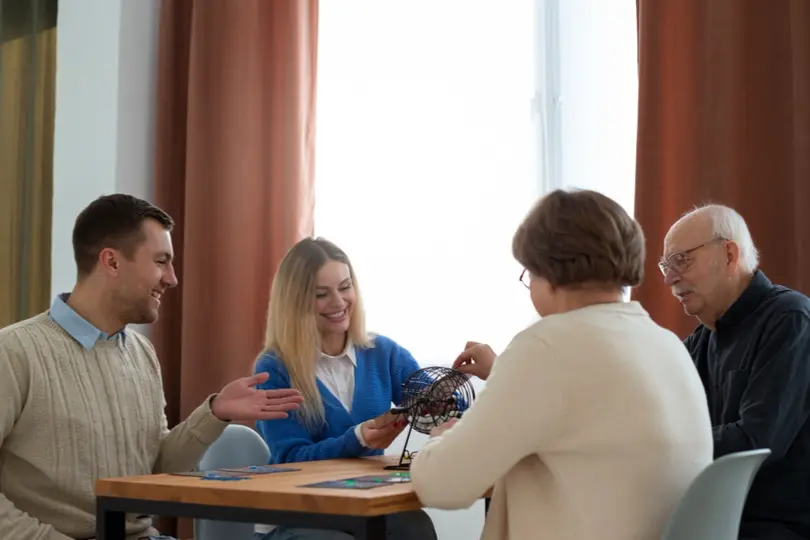
Beyond safety and clinical care, people with dementia still deserve to enjoy life—music, laughter, texture, taste, movement, conversation, and creativity. Assisted living communities design engagement not as filler but to provide therapy. Activities aim to spark memories, foster social connections, and maintain identity:
- Remembering and sharing life stories: Talking about memories and using memory boxes (with photos, keepsakes, and letters) helps residents connect with their past and with others. Staff use personal stories to plan activities—playing favorite songs, cooking hometown dishes, and discussing past jobs—which boosts residents’ pride and sense of control.
- Songs and physical activity: Music can trigger memories even when speaking becomes hard. Singing together, easy dancing, rhythm exercises, and trying out instruments can calm agitation and get people talking to each other. Moving around also improves blood flow, flexibility, and mood.
- Art projects: Painting, making things, and hands-on activities let people express themselves without needing to think too hard. Doing well in these tasks builds confidence and lowers worry.
- Sensory gardens and nature time: Outdoor areas with safe walkways, elevated plant boxes, feeders for birds, and changes with the seasons give fresh air and calm stimulation. To garden or just watch nature can ground people.
- Culinary and taste experiences: Baking in the afternoon, events for tasting, or themed days for meals offer sensory joy and links to culture. Changes make sure it’s safe while keeping food traditions.
- Small-group structure: Activities fit attention spans and comfort levels. Smaller groups cut down on too much input and help more people join in. Staff give gentle reminders, watch for signs, and make changes as needed.
Keep in mind, socializing fights off loneliness—a known factor that speeds up decline. Assisted living builds small communities: neighbors who eat together, friends who join programs as a group, and staff who recognize residents by their names and life stories. Taking part isn’t forced; it’s encouraged and backed up. When people connect every day instead of once in a blue moon, their mood gets better, they sleep well, and family visits become happy times, not emergency calls.
Conclusion
Dementia reshapes how life is lived, but it doesn’t erase personhood, preferences, or the need for connection. Assisted living—especially memory care programs—offers a practical, compassionate framework: environments designed for safety, caregivers trained for dignity-preserving support, routines that calm and orient, and activities that awaken identity and purpose. Families regain time and clarity, transforming visits from stressful triage to meaningful presence.
Photo Credit:
Photo 1, Credit to FreePik || Photo 2, Credit to Freepik (CC0 1.0)