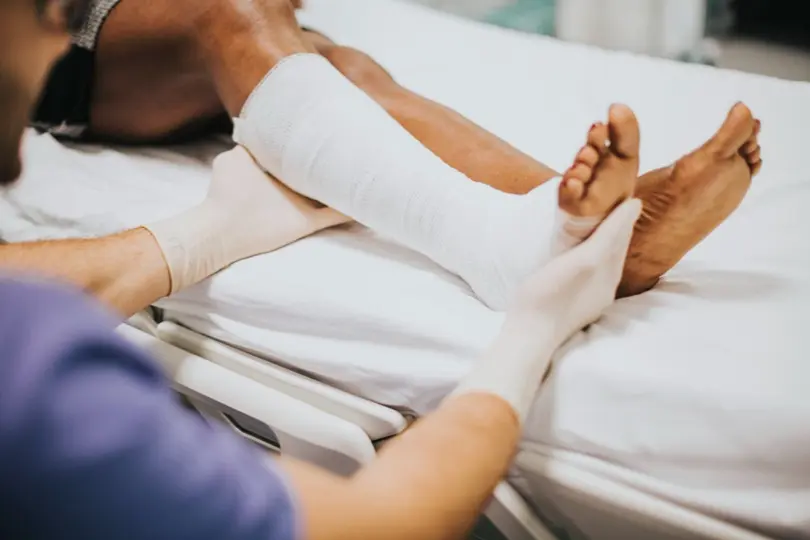
Experiencing a serious injury can turn your world upside down in an instant. Whether it’s from an accident, a fall, or some other unexpected incident, the recovery process demands attention to both your physical condition and emotional state. Taking proper care of yourself during this critical time isn’t just important; it can make the difference between a full recovery and lingering complications. Understanding what steps to take will help you navigate this challenging period with more confidence and give your body the best possible chance to heal completely.
Prioritize Immediate Medical Attention and Follow-Up Care
Here’s something that can’t be stressed enough: seek medical attention immediately after a serious injury, even when you think it might not be that bad. Many serious conditions don’t show obvious symptoms right away, but they can deteriorate quickly without proper treatment. Emergency room visits or urgent care appointments ensure that medical professionals can properly assess what’s going on, identify any hidden injuries, and create a treatment plan tailored to your needs. After that initial evaluation, keeping up with follow-up appointments becomes just as critical.
Never skip scheduled appointments or stop taking medication without talking to your doctor first. Cutting treatment short can lead to complications or incomplete healing that might haunt you down the road. Keep careful records of all medical visits, prescriptions, and treatment recommendations. This documentation proves valuable throughout your recovery and may become essential for insurance claims or other administrative matters you’ll need to handle.
Create a Supportive Recovery Environment at Home
Your home environment can either help or hinder your recovery, so it’s worth taking some time to make necessary adjustments. Start by identifying and addressing potential hazards that could slow your healing or cause additional injuries. This might mean installing grab bars in bathrooms, getting rid of tripping hazards like loose rugs or clutter, rearranging furniture to create clear pathways, or moving things you use daily to spots where you can reach them easily.
Consider setting up a dedicated recovery space that’s got everything within arm’s reach, comfortable seating, medical supplies, entertainment options, and communication devices. If mobility’s an issue, you might need to temporarily move your sleeping arrangements to a ground-floor room to avoid dealing with stairs. Make sure there’s adequate lighting throughout your home, especially if pain medications are affecting your balance or awareness. Don’t be shy about asking family members, friends, or professional caregivers to help with household tasks that could interfere with your recovery.
Manage Pain Effectively While Avoiding Dependency
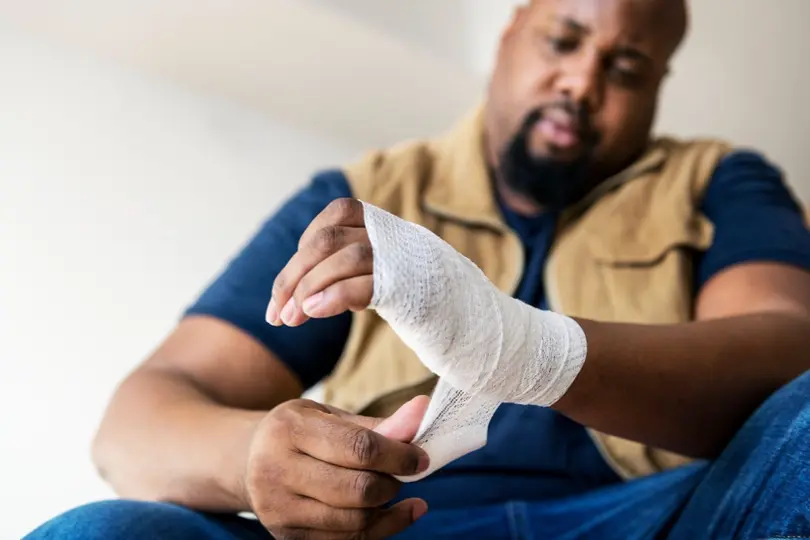
Pain management requires a delicate balancing act that you’ll need to navigate carefully with your healthcare providers. Take prescribed pain medications exactly as directed, understanding that the timing and dosage have been calculated to provide optimal relief while minimizing potential side effects. Be upfront with your doctor about your actual pain levels. Undertreating pain can slow your recovery and take a toll on your mental health, while overmedication carries serious risks of dependency and other complications.
Look into complementary pain management techniques that work alongside your prescribed treatments. Ice and heat therapy, gentle stretching exercises approved by your healthcare provider, meditation, deep breathing exercises, or guided imagery can all provide relief. Keep a pain journal to track patterns and identify what triggers worse pain. This information helps you communicate more effectively with your medical team. Never mix medications without professional guidance, and be especially cautious about combining prescription painkillers with alcohol or over-the-counter drugs.
Focus on Nutrition and Hydration for Optimal Healing
Your body’s working overtime during recovery, which means it needs extra nutritional support to get the job done. Protein becomes particularly important for tissue repair, so make sure you’re incorporating lean meats, fish, eggs, legumes, and dairy products into your daily meals. Vitamins and minerals, especially vitamin C, vitamin D, calcium, and zinc, play essential roles in wound healing and bone repair. Consider consulting with a nutritionist about supplementation if your regular diet isn’t cutting it.
Stay well-hydrated by drinking plenty of water throughout the day. Proper hydration supports circulation, reduces inflammation, and helps your body flush out toxins. Steer clear of excessive processed foods, sugary snacks, and alcohol, as these can interfere with healing and potentially interact negatively with your medications. If your injury limits your ability to prepare meals, there’s no shame in exploring meal delivery services, accepting help from loved ones, or preparing simple, nutritious options in advance when you’ve got more energy.
Maintain Mental and Emotional Well-Being
The psychological impact of a serious injury often gets overlooked, yet emotional recovery matters just as much as physical healing. When navigating complex recovery situations that involve legal or financial implications, professionals who need to understand their rights often consult with a California personal injury lawyer to ensure they receive appropriate compensation and support. It’s completely normal to experience frustration, anxiety, depression, or anger about your circumstances and limitations. Don’t suppress these feelings; acknowledge them and consider speaking with a mental health professional who specializes in trauma or chronic health conditions.
Stay connected with supportive friends and family members, even when physical visits aren’t possible. Phone calls, video chats, or text messages can provide meaningful connections during this isolating time. Engaging in activities that bring joy and purpose within your current limitations can significantly improve your outlook. Whether it’s reading, listening to music or podcasts, pursuing creative hobbies, or learning something new online, find what works for you.
Conclusion
Recovery from a serious injury demands patience, dedication, and a comprehensive approach that addresses your whole self, not just the injury site. By prioritizing medical care, creating a supportive environment, managing pain responsibly, maintaining proper nutrition, and protecting your mental health, you’re setting yourself up for the most effective recovery possible. Remember that healing takes time, and trying to rush things or ignore medical advice can lead to setbacks that extend your recovery period unnecessarily.
Photo Credit:
Photo 1, Credit to Freepik || Photo 2, Credit to Freepik (CC0 1.0)