
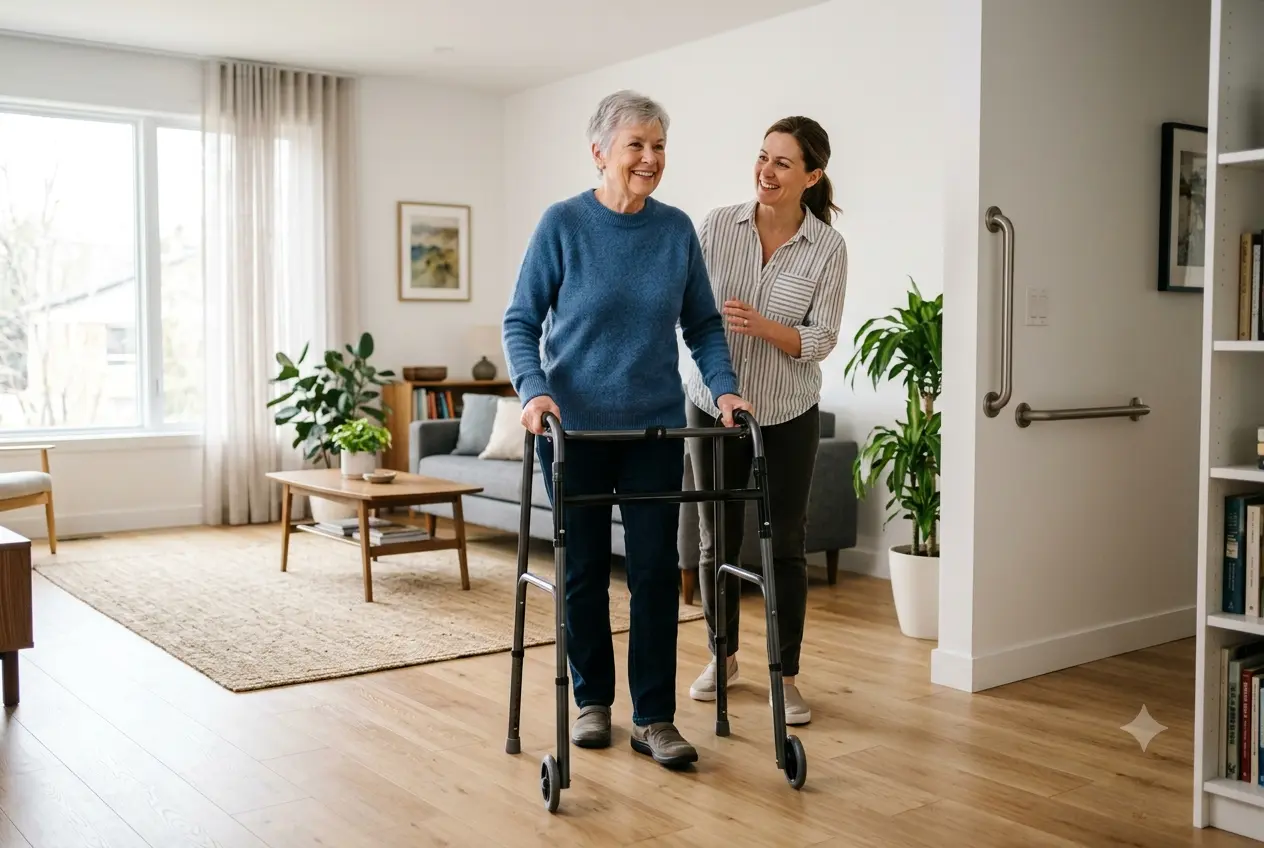
Mobility loss changes much more than a person’s ability to move. It affects confidence, independence, relationships, and emotional well-being. Families can make recovery easier by creating a safe home, encouraging independence, recognizing emotional challenges, adapting support over time, and connecting loved ones with professional resources. The most meaningful support comes from listening, staying flexible, and protecting dignity throughout the recovery journey.
How Can You Help a Loved One Adjust to Mobility Loss?
Mobility loss hits hard. Physically, yes, but it goes deeper than that. It reshapes identity, daily routine, the quiet confidence of moving through the world on your own terms. When it’s someone you love, you feel those aftershocks too. Temporary or permanent, sudden or gradual, honestly, the nature of the loss barely matters in those first weeks.
They’re struggling. You’re scrambling to help without making it worse. That tension is genuinely difficult to navigate. Recovery demands far more than physical rehabilitation and long-term mobility support, and your role as a supporter requires patience, a real willingness to learn, and enough humility to follow their lead instead of your gut.
Why Is the Emotional Impact of Mobility Loss Often Harder Than People Expect?
The emotional wreckage from mobility loss can land just as heavily as the physical stuff. Grief. Raw frustration. Fear about what tomorrow looks like. Your loved one may dread becoming a burden, or feel the walls closing in as their world contracts. These aren’t overreactions.
They’re honest, proportionate responses to losing control over your own body. Don’t wave them off as temporary sadness that’ll sort itself out. Emotional adjustment isn’t a side issue to recovery; it’s woven directly into it. Get that distinction right, and everything changes. Compassion first. Problem-solving second.
Why Doesn’t Everyone Adjust to Mobility Loss the Same Way?
No two people respond to mobility loss in the same way. Recovery depends on the cause of the condition, expected outcome, personality, previous lifestyle, family support, and emotional resilience. Understanding these differences helps caregivers provide support that feels encouraging instead of overwhelming.
One of the biggest mistakes families make is comparing one person’s recovery with another’s. Even two people with similar injuries may experience completely different emotional and physical challenges.
Someone recovering from surgery with a clear timeline often focuses on returning to normal life. A person facing permanent mobility loss may instead be rebuilding their identity and learning new ways to live independently.
Age also influences adjustment. Younger adults may struggle with interrupted careers or parenting responsibilities, while older adults may worry more about remaining independent in their own homes.
The best caregivers avoid assumptions. They ask questions, listen carefully, and adjust their support as circumstances change.
Every Recovery Journey Looks Different
Recovery often depends on several factors, including:
- Whether the mobility loss is temporary or permanent.
- How suddenly it occurred.
- Previous physical health.
- Emotional resilience.
- Family and community support.
- Access to rehabilitation services.
Supporting the individual instead of following a fixed caregiving formula often leads to better long-term outcomes.
How Can You Make a Home Safer After Mobility Loss?
One of the most concrete things you can do? Fix the space. Clear out tripping hazards. Put grab bars in the bathroom. Widen the pathways so mobility devices actually fit through without drama. Good lighting matters more than most people assume, it cuts fall risk and quietly reduces the anxiety of moving through a home that suddenly feels foreign.
Rearrange furniture to shorten unnecessary distances. Store everyday items at reachable heights. Small tweaks, but they signal something beyond practicality: you take their needs seriously, and you’re invested in their independence, not just their safety.
Why Are Physical and Emotional Recovery Equally Important?
Go to appointments when you can. Learn what the physical therapists are actually teaching. Help practice those techniques at home. Your presence during rehab isn’t just logistical support, it’s motivating in ways that resist easy measurement. But keep an eye out for depression too.
It surfaces after mobility loss more often than most people expect, and when it does, it actively chips away at rehabilitation progress. Keep talking about things they care about beyond the condition. Find activities they can still participate in, social connection doesn’t have to look identical to before, it just has to exist. Body and mind together. No version of recovery works any other way.
When Can Good Intentions Make Recovery More Difficult?
Helping someone after mobility loss requires balance. Providing too much assistance can unintentionally slow recovery, while providing too little can increase frustration and safety risks. The right level of support changes as recovery progresses.
Caregivers naturally want to make life easier. However, solving every problem for your loved one can sometimes prevent them from rebuilding confidence.
Allowing someone to complete safe tasks independently reinforces problem-solving skills and encourages continued progress.
At the same time, independence should never come at the expense of safety.
Watch for These Situations
Sometimes caregivers accidentally:
- Answer every question for their loved one.
- Rearrange routines without asking.
- Discourage activities because they seem difficult.
- Rush tasks that simply require more time.
- Assume yesterday’s abilities are the same as today’s.
Support should evolve alongside recovery rather than remain fixed.
How Do You Help Without Taking Away Independence?
Here’s the real tension: helping too much can be just as damaging as not helping enough. Your loved one may push back against assistance with tasks they used to own completely. That resistance deserves respect, not clever workarounds. Have an honest conversation about what they genuinely need help with versus what they want to try on their own.
Uncomfortable? Maybe. But honoring their drive to maintain certain skills does more for psychological recovery than constantly stepping in ever will. Stay flexible. As their abilities shift, improving, plateauing, or changing in ways nobody predicted, your level of support has to move with them. And when they clear even a small hurdle? Say something. Those moments carry more weight than they look like they do.
Myth vs. Reality: Common Misunderstandings About Mobility Loss
Many people have good intentions but rely on outdated ideas about disability and recovery. Separating myths from reality helps families make better decisions and provide more meaningful support.
| Myth | Reality |
|---|---|
| Helping with every task shows love. | Too much assistance can reduce confidence and independence. |
| Using mobility aids means giving up independence. | Proper mobility aids often increase freedom and safety. |
| Physical recovery automatically improves emotional health. | Emotional adjustment often continues long after physical healing. |
| Encouraging positivity means avoiding difficult conversations. | Honest discussions about frustration often strengthen emotional recovery. |
| Independence means doing everything alone. | True independence includes knowing when to accept appropriate help. |
The goal isn’t to eliminate every challenge. It’s to help your loved one regain as much control over daily life as possible.
Professional Support Can Make Recovery Easier
Your support matters. But it has limits, and that’s not a failure, it’s just reality. Occupational therapists specialize in helping people rebuild practical strategies around new physical realities. Support groups connect your loved one with people who actually understand, not just people who sympathize from the outside. Counselors trained in life adjustment offer real tools for processing grief and building something like resilience.
Families managing consistent daily care often turn to home care services for seniors to provide safe, dignified help with everyday tasks. Community organizations frequently keep lists of local community caregiving resources, adaptive equipment suppliers, and services built around independence. Your job is helping them access those options, not taking over the search yourself.
The Hidden Challenges Families Often Notice Too Late
Not every obstacle is physical.
Many people regain strength while quietly losing confidence.
Fear of falling after an injury may stop someone from leaving home even after receiving medical clearance.
Embarrassment about using mobility devices can reduce social interaction.
Some people gradually stop participating in hobbies because they assume those activities are no longer possible.
Caregivers should also watch for signs of burnout in themselves.
Supporting another person every day can become emotionally exhausting, especially when balancing work, parenting, and household responsibilities.
Recognizing these hidden challenges early allows families to seek help before small problems become major setbacks.
Advanced Care Planning: Preparing for Changing Mobility Needs
Recovery rarely follows a straight line.
Some people improve steadily. Others experience setbacks, plateaus, or changing medical needs. Planning allows families to respond with confidence rather than react in a crisis.
Experienced caregivers review support plans regularly rather than assuming today’s solutions will always work tomorrow.
Review These Areas Every Few Months
- Home accessibility and fall prevention.
- Fall prevention strategies.
- Medical appointments.
- Rehabilitation goals.
- Transportation needs.
- Caregiver responsibilities.
- Community resources.
- Emergency plans.
Small adjustments made consistently often prevent much larger problems later.
The most successful care plans remain flexible because people’s needs continue to evolve.
Helping Someone Adapt to Mobility Loss With Confidence and Dignity
There’s no clean path through mobility loss. It’s messy, slow, and unpredictable. But your presence, consistent, informed, genuinely adaptable, provides something no professional resource can fully replace. Stability. Creating a safer home environment. Make room for emotional honesty.
Connect them to specialized support without hijacking their agency in the process. Learn what they’re actually facing, not just what you imagine it must feel like. That investment, in understanding their experience, in shifting your approach as things evolve, pays off in ways that go well beyond practical help. It protects their dignity. And it deepens what you have together.
About The Author:
Elena Swan is a freelance health and wellness writer specializing in mental illness. She likes researching complex health topics and presenting the information in a way that everyday people can understand and apply to their own lives. View her portfolio at elenaswanwrites.com.