
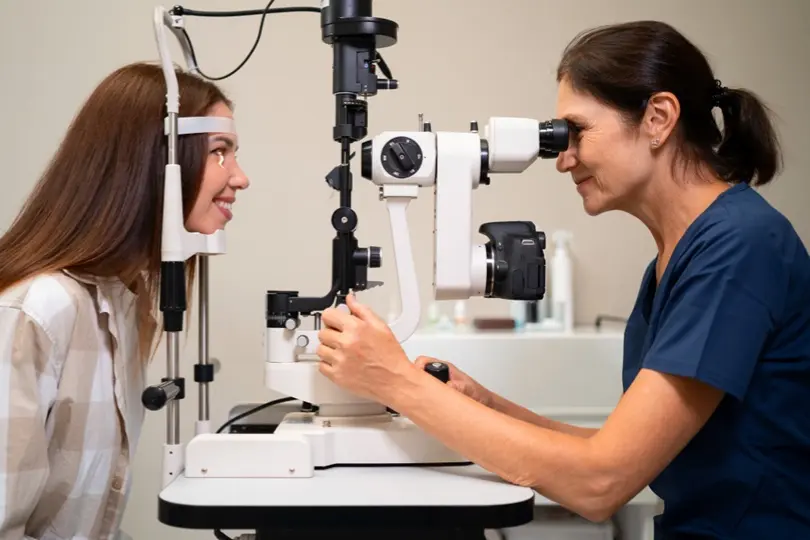
Laser vision correction has become a trusted option for people who want greater visual independence and long-term clarity. Modern advancements have made the procedure more precise, more comfortable, and more accessible than ever. Even so, LASIK is still a medical procedure, which means not everyone will be an ideal candidate. Eye surgeons evaluate several key factors to determine whether LASIK is both safe and likely to deliver strong results.
Understanding these LASIK qualifications can help you walk into your consultation with confidence and a clearer sense of what to expect.
Stable Vision Over Time
One of the first items surgeons look at is the stability of your prescription. A stable prescription allows the treatment plan to be accurate and long-lasting. Most clinics prefer at least one to two years without major vision changes. When your prescription is still shifting, it is harder for the surgeon to predict long-term outcomes.
Younger adults often experience small vision changes through their late teens and early twenties, which is why many surgeons recommend waiting until the mid twenties. For adults experiencing natural age-related changes, like presbyopia or early cataract development, alternative procedures may be recommended to better match long-term visual needs.
Healthy Corneas and Eye Surface
Overall eye health plays a major role in determining candidacy. During your evaluation, the surgeon will examine your corneas, tear film, and general eye surface. Issues such as significant dryness, corneal thinning, keratoconus, or previous eye injuries can influence the safest treatment option.
This does not automatically eliminate vision correction possibilities. Many patients with mild dryness or minor irregularities can still pursue other advanced procedures like PRK or SMILE. These options reshape the cornea without requiring a flap and are well-suited to certain eye conditions. The goal is to identify the approach that protects long-term corneal stability while achieving the best visual outcome.
Prescription Within the Treatable Range

LASIK is highly effective for correcting common refractive errors like nearsightedness, farsightedness, and astigmatism. However, extremely high prescriptions may not be ideal because they require removing more corneal tissue than recommended. Corneal thickness, curvature, and tissue quality are evaluated to make sure treatment remains safe.
Even if your prescription falls outside the Lasik range, you may still qualify for other advanced corrections such as implantable contact lenses or refractive lens exchange. These methods are designed to support patients with higher refractive errors while maintaining excellent structural stability.
Appropriate Age and Good General Health
Age is another factor that helps determine candidacy. Most surgeons prefer that patients be at least eighteen, though many feel more confident with the prescription stability that comes a bit later. Adults in their forties and fifties may still be candidates, but they should understand how natural age-related changes may influence near vision over time.
Overall health is equally important. Conditions such as uncontrolled autoimmune disorders, poorly managed diabetes, or health issues that affect wound healing may influence the advisability of surgery. Sharing your full medical history allows your surgeon to evaluate safety and long-term success more effectively.
Lifestyle Fit and Personal Goals
Lifestyle is a surprisingly important qualification. People who participate in high-impact sports or certain occupations may be guided toward procedures without a corneal flap to better protect the eyes during recovery. Your daily activities, hobbies, and long-term visual expectations help shape the best recommendation.
Many patients also look at practical considerations, including financial planning. Some find that competitive Lasik cost options make the procedure more accessible than expected. Clinics often provide flexible payment arrangements, promotional pricing, and financing to help patients move forward confidently. While cost does not affect medical eligibility, it can support your decision-making during the planning stage.
Conclusion
Determining whether you are a strong candidate for LASIK requires a detailed assessment of your eye health, prescription stability, age, lifestyle, and long-term goals. These qualifications help ensure that the procedure is both safe and rewarding. By understanding the factors your surgeon will evaluate, you can approach your consultation well-informed and ready to explore the best path toward clearer vision.
Photo Credit:
Photo 1, Credit to Freepik || Photo 2, Credit to Freepik (CC0 1.0)