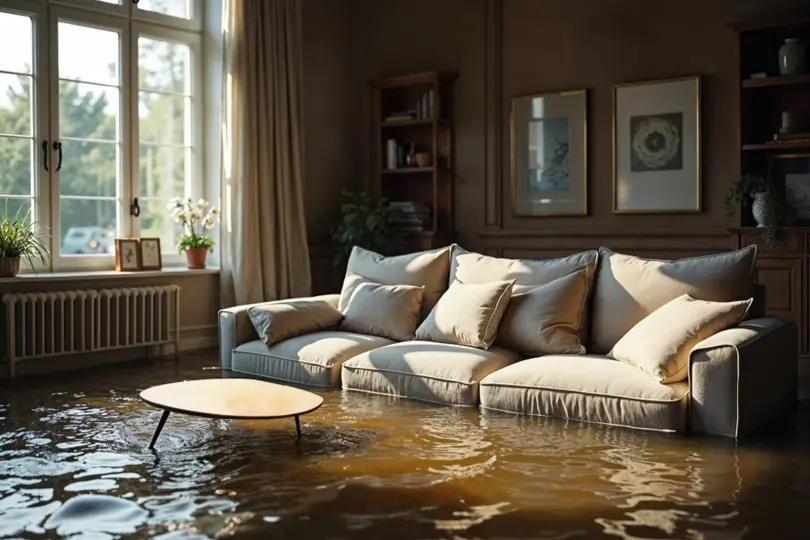
Water damage ranks among the most devastating emergencies a homeowner can face. It strikes without warning and wreaks havoc within hours. Whether it’s burst pipes, natural flooding, severe storms, or malfunctioning appliances, water intrusion demands immediate attention to minimize structural damage and prevent serious health hazards. Understanding the critical steps to take during a water emergency can make the difference between a manageable restoration project and catastrophic property loss. When homeowners arm themselves with essential knowledge about emergency water damage cleanup, they can act swiftly, protect their families, and potentially save thousands of dollars in repair costs. The key isn’t just knowing what to do; it’s being prepared to act decisively when disaster strikes.
Understanding the Urgency of Water Damage Response
Time becomes your biggest enemy the moment water invades your home. Within just 24 hours, water begins penetrating porous materials like drywall, insulation, and wooden structures, causing them to swell, warp, and deteriorate. Moisture creates the perfect breeding ground for mold, which can begin to develop within 24 to 48 hours of initial water exposure. The longer water sits in your home, the more extensive the damage becomes. What might’ve been a straightforward cleanup transforms into a comprehensive restoration project requiring wall removal, flooring replacement, and extensive structural repairs.
Immediate Safety Measures and Initial Response
Before tackling the water itself, you’ve got to prioritize personal safety and prevent further damage. If water levels are significant, shut off electricity to affected areas at the main breaker panel to eliminate electrocution risks; this isn’t optional. Identify and stop the water source, if possible, by turning off the main water supply, closing individual valves, or temporarily patching leaks. Remove valuable items, electronics, important documents, and furniture from affected areas to prevent further damage and create working space for cleanup efforts.
Water Extraction and Drying Techniques
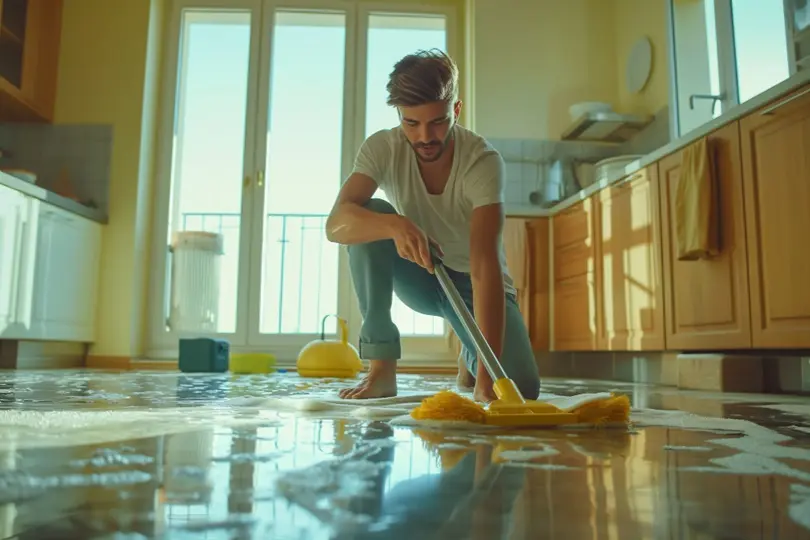
Removing standing water quickly is essential to preventing extensive damage and mold growth; there’s simply no way around it. For small amounts of water, absorbent towels, mops, and a wet-dry vacuum can be effective for initial extraction. However, significant water accumulation requires more powerful equipment, such as submersible pumps or industrial-grade water extractors that can remove large volumes quickly. Once you’ve removed the standing water, the drying process becomes critical and involves much more than simply airing out the space. Professional-grade dehumidifiers and high-velocity air movers work together to remove moisture from materials and circulate air throughout affected spaces. Open windows and doors when the weather permits to increase ventilation, but avoid this approach during humid conditions that could introduce additional moisture. Monitor moisture levels using moisture meters to ensure materials are thoroughly dry, as hidden dampness can lead to mold growth and structural problems weeks after the initial incident. For extensive flooding situations where water has penetrated wall cavities and subflooring, homeowners often benefit from consulting a professional water damage restoration company that has specialized equipment to detect and eliminate moisture in hard-to-reach areas.
Identifying and Preventing Mold Growth
Mold development is one of the most serious secondary consequences of water damage, and it moves fast, proliferating within 24 to 48 hours in damp conditions. Common signs of mold growth include musty odors, visible discoloration on walls and ceilings, and increased allergy symptoms among household members. Areas particularly vulnerable to mold include behind walls, under flooring, in ceiling cavities, and within HVAC systems, where moisture can accumulate undetected. Prevention requires maintaining relative humidity below 50 percent, ensuring complete drying of all affected materials, and treating surfaces with antimicrobial solutions.
Working With Insurance and Documentation
Proper documentation and timely communication with your insurance company are crucial for ensuring adequate coverage of water damage restoration costs. Contact your insurance provider immediately after discovering water damage, as many policies require prompt notification to honor claims; waiting even a day or two could jeopardize your coverage. Take extensive photographs and videos of all affected areas from multiple angles, capturing both overview shots and close-up details of damage. Create detailed written inventories of damaged belongings, including approximate values and purchase dates when possible. This level of detail makes a significant difference when filing claims.
Conclusion
Emergency water damage cleanup demands immediate action, a systematic approach, and thorough execution to protect your home and family from serious consequences. By understanding the urgency of rapid response, implementing proper safety measures, using effective extraction and drying techniques, preventing mold growth, and managing insurance documentation properly, homeowners can navigate water emergencies more successfully. While minor water incidents may be manageable with DIY efforts, significant flooding or contaminated water situations often require specialized expertise and equipment to ensure complete restoration. The knowledge and preparation outlined in this guide empower homeowners to make informed decisions during water emergencies, minimize damage, and restore their homes safely and effectively.
Photo Credit:
Photo 1, Credit to Freepik || Photo 2, Credit to Freepik (CC0 1.0)