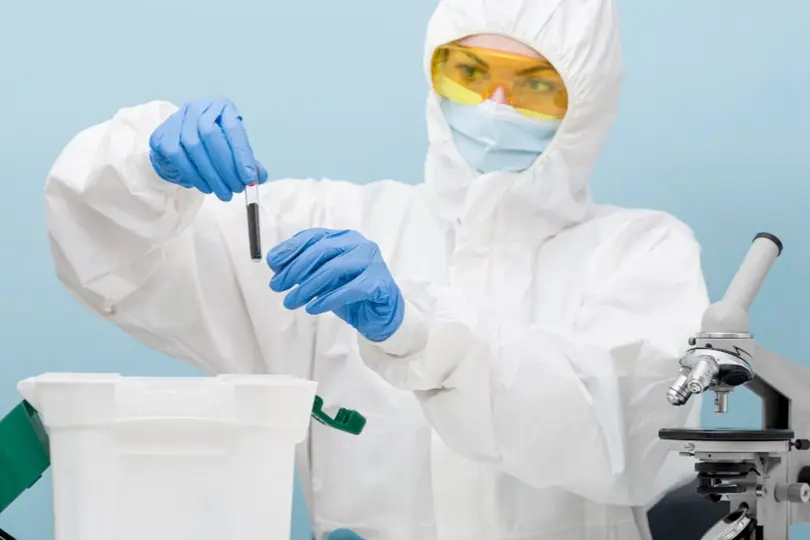
Hospitals and laboratories are essential for diagnosing and treating illnesses, but they also generate significant amounts of biohazardous waste. This waste includes materials contaminated with blood, bodily fluids, chemicals, and infectious agents. If not managed properly, it poses serious risks to public health and the environment. Understanding how these facilities handle biohazardous waste is crucial for appreciating the safety measures that protect patients, staff, and communities.
What Qualifies as Biohazardous Waste?
Biohazardous waste refers to any material that could potentially transmit infectious diseases or cause harm through chemical exposure. Common examples include used needles, surgical instruments, contaminated gloves, and tissue samples. In laboratories, waste may also include cultures of bacteria or viruses, chemical reagents, and solvents.
Because these materials can spread infection or cause injury, strict regulations govern their handling and disposal. Hospitals and labs must follow federal, state, and local guidelines to ensure compliance and maintain safety standards.
Segregation and Initial Handling
The first step in managing biohazardous waste is segregation. Waste is separated at the point of generation into clearly labeled containers based on its type: infectious, chemical, or sharps. Color-coded bins and biohazard symbols help staff identify the correct disposal method quickly.
Sharps, such as needles and scalpels, are placed in puncture-resistant containers to prevent injuries. Infectious waste is stored in leak-proof bags, while chemical waste requires specialized containment to avoid spills or reactions. Proper segregation minimizes cross-contamination and simplifies downstream treatment processes.
Storage and Transportation Protocols
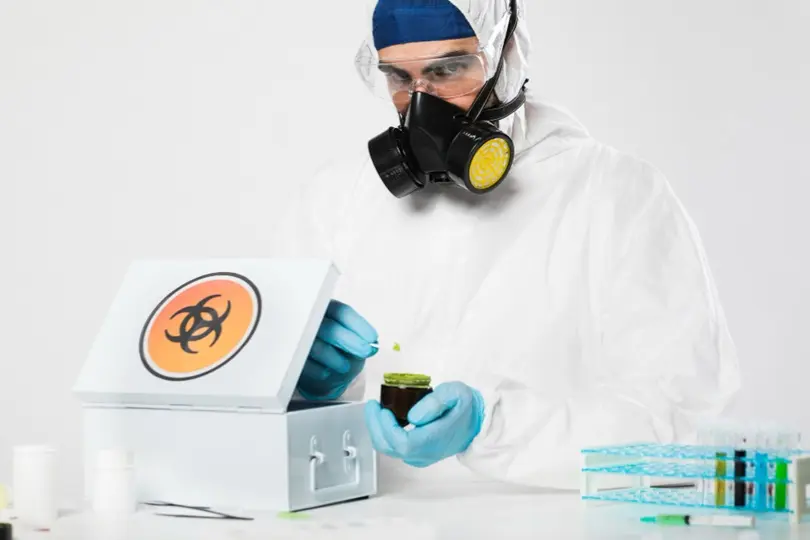
Once collected, biohazardous waste must be stored securely until it can be treated or disposed of. Facilities use designated storage areas with restricted access to prevent unauthorized handling. Temperature controls may be necessary for certain types of waste to reduce microbial growth.
Transportation is another critical step. Waste is moved using sealed containers that meet regulatory standards for safety and durability. For chemical waste, hospitals and labs often rely on safe chemical storage shipping containers designed to withstand leaks and corrosion. These containers ensure hazardous substances remain contained during transit to treatment facilities, reducing the risk of environmental contamination or accidents.
Treatment and Disposal Methods
Biohazardous waste cannot simply be thrown away. It undergoes specialized treatment to neutralize harmful agents before disposal. Common methods include autoclaving, which uses high-pressure steam to sterilize infectious materials, and incineration, which destroys pathogens and reduces waste volume.
Chemical waste may require neutralization or advanced processes such as chemical oxidation. After treatment, the remaining material is disposed of in accordance with environmental regulations, often in secure landfills or through approved recycling programs for certain components.
Training and Compliance
Managing biohazardous waste safely depends on well-trained personnel. Hospitals and labs invest in regular training programs to ensure staff understand proper handling procedures, emergency protocols, and regulatory requirements. Compliance audits and documentation help maintain accountability and identify areas for improvement.
Technology also plays a role in enhancing safety. Automated tracking systems monitor waste from generation to disposal, reducing errors and improving transparency. These measures protect not only healthcare workers but also the broader community.
Conclusion
Biohazardous waste management is a complex but essential process that safeguards public health and the environment. Through careful segregation, secure storage, regulated transportation, and effective treatment, hospitals and laboratories minimize risks associated with infectious and chemical materials. These efforts, combined with ongoing training and compliance, ensure that the unseen threat of biohazardous waste is handled responsibly and effectively.
Photo Credit:
Photo 1, Credit to Freepik || Photo 2, Credit to Freepik (CC0 1.0)