
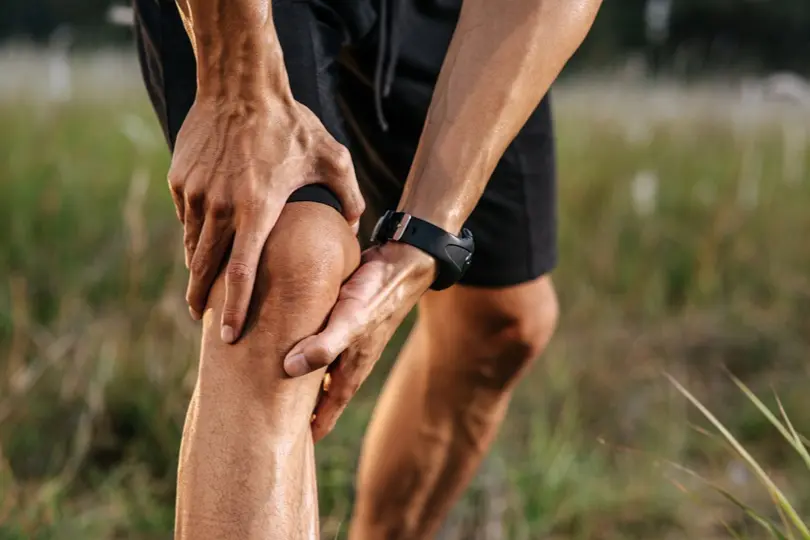
Joint pain affects millions of people and can significantly disrupt daily life. Whether the discomfort is mild and occasional or persistent and severe, joint pain limits mobility, reduces comfort, and interferes with normal routines. Understanding the causes, triggers, and available treatment options helps individuals take control of their symptoms. With the right approach, joint pain becomes more manageable, allowing you to maintain independence, movement, and quality of life.
Identifying the Source of Your Joint Pain
Joint pain can stem from many different causes. Some people experience discomfort due to age-related changes, while others may develop pain from overuse, injury, or underlying medical conditions. Arthritis, tendonitis, bursitis, and ligament strains are among the most common contributors. Stress on the joints from repetitive movement or carrying excess weight can also intensify symptoms. Identifying the source of pain is the first step toward effective treatment. Speaking with a medical professional helps clarify the underlying cause and ensures that you pursue the right solution.
Understanding How Lifestyle Influences Joint Health
Daily habits influence joint health more than many people realize. Lack of movement can lead to stiffness, while too much high-impact activity can worsen inflammation. Maintaining a healthy weight reduces stress on weight-bearing joints such as the hips, knees, and ankles. Incorporating stretching into your routine improves flexibility and circulation. Hydration supports joint lubrication, which helps reduce friction and discomfort. Gentle exercises such as walking, swimming, and cycling strengthen supporting muscles without overloading the joints. When lifestyle choices support joint function, discomfort becomes easier to manage.
Using Heat and Cold for Symptom Relief
Temperature-based therapies remain reliable methods for easing joint pain. Heat increases blood flow and relaxes tight muscles, making it ideal for morning stiffness or chronic tension. Warm baths, heated pads, or gentle warm compresses can soothe the affected area. Cold therapy reduces inflammation and numbs sharp pain, making it useful after recent activity, strain, or swelling. Alternating heat and cold is a technique many people use to improve circulation while reducing discomfort. These simple methods provide relief without medication and are safe for regular use when applied correctly.
Incorporating Strength Training and Low-Impact Exercise
Strengthening the muscles surrounding your joints helps improve stability and decrease strain. Strong muscles act as support structures, absorbing some of the impact that the joints would otherwise endure. Low-impact exercises such as yoga, pilates, or light strength training create a balanced approach that enhances mobility and reduces tension. Consistency is key. Even small improvements in muscle tone can make a noticeable difference in joint comfort. It is important to avoid movements that cause sharp pain and to progress gradually under the guidance of a professional when needed.
Exploring Pain Management Options

For some individuals, managing joint pain requires more than at-home techniques. Over-the-counter remedies such as topical creams and anti-inflammatory medications can provide temporary relief. Physical therapy is another valuable tool that teaches corrective exercises, improves posture, and strengthens muscles through guided sessions. Massage therapy, acupuncture, and supportive bracing may also help reduce pain. Everyone responds differently to treatment, so exploring a range of options allows you to find the combination that works best for your symptoms.
Understanding Modern Medical Procedures for Joint Pain
Advanced medical procedures offer new opportunities for relief when traditional treatments do not provide sufficient improvement. One option gaining attention is genicular artery embolization, a minimally invasive procedure used to reduce knee pain associated with arthritis. This technique works by limiting blood flow to the inflamed tissue in the knee, which helps reduce pain signals. It is often recommended for individuals who want relief without pursuing joint replacement surgery. Medical procedures like this provide promising results for people seeking long-term improvement and improved functionality.
Taking Preventive Measures to Protect Joint Health
Prevention plays an essential role in maintaining joint comfort over time. Simple habits such as warming up before activity, maintaining good posture, and avoiding repetitive strain help reduce injury risk. Wearing supportive footwear decreases pressure on your knees and ankles. Resting when your body signals discomfort is another important step, as pushing through pain can lead to more serious issues. Listening to your body and making daily adjustments helps protect your joints from unnecessary stress.
Managing Joint Pain Through Nutrition
Nutrition influences inflammation levels throughout the body. Certain foods support joint health, while others may aggravate discomfort. Anti-inflammatory foods such as berries, leafy greens, fatty fish, nuts, and olive oil help reduce inflammation. Staying hydrated supports cartilage health and cushions the joints. Some individuals find relief by limiting processed foods or reducing sugar intake. Working with a nutrition professional can help identify dietary patterns that support your long-term joint comfort.
When to Seek Professional Care
Some symptoms require medical attention. If joint pain becomes persistent, severe, or begins interfering with daily tasks, it is important to speak with a specialist. Sudden swelling, warmth, redness, or inability to bear weight may indicate a more serious underlying condition. Early professional evaluation helps prevent complications and supports faster recovery. A tailored treatment plan creates structure for managing symptoms and improving joint function.
Creating a Holistic Approach to Long-Term Joint Comfort
Sustained relief often comes from combining multiple strategies rather than relying on a single treatment. Blending movement, stretching, good nutrition, stress reduction, rest, and supportive therapies creates a comprehensive plan that strengthens the body and reduces discomfort. This holistic approach acknowledges that joints are influenced by many systems working together, including muscles, tendons, circulation, and overall lifestyle habits.
Conclusion
Joint pain is a common challenge, but it does not have to define your daily life. By identifying the cause, practicing supportive habits, using pain relief techniques, and exploring both traditional and modern medical options, you can greatly improve your comfort and mobility. With consistent care and a thoughtful approach, long-term joint health becomes achievable, empowering you to move confidently and live more comfortably.
Photo Credit:
Photo 1, Credit to Freepik || Photo 2, Credit to Freepik (CC0 1.0)