

The global pharmaceutical landscape is evolving at an unprecedented pace, and Indian API manufacturing is playing a central role in this transformation. As we move toward 2026, API manufacturing in India is being reshaped by technological innovation, sustainability mandates, supply-chain realignment, and increasing regulatory scrutiny.
India’s position as a leading API supplier to global pharmaceutical markets continues to strengthen, driven by cost efficiency, scientific expertise, and large-scale manufacturing capabilities.
In this article, we explore the key trends shaping Indian API manufacturing in 2026 and what they mean for pharmaceutical companies worldwide.
1. Shift Toward Continuous and Advanced Manufacturing Technologies
Traditionally, API production in India has relied heavily on batch manufacturing processes. However, forward-thinking companies involved in API manufacturing in India are rapidly adopting continuous and advanced manufacturing technologies to improve efficiency, consistency, and scalability.
Continuous manufacturing enables uninterrupted production with real-time quality monitoring, resulting in:
- Faster time-to-market for critical APIs
- Reduced process variability and enhanced product quality
- Lower operational costs through automation and data integration
For Indian API manufacturers, this transition supports global demand while meeting stringent international quality standards.
2. Digitalization, AI, and Smart Manufacturing in Indian API Manufacturing
Digital transformation is accelerating across Indian API manufacturing, with artificial intelligence (AI), machine learning, and data analytics becoming integral to production operations. AI-driven systems help manufacturers optimize synthesis pathways, predict equipment maintenance, and prevent quality deviations before they occur.
Key benefits include:
- Automated quality control and deviation management
- Predictive demand and supply forecasting
- Improved resource and energy utilization
- Faster development of new API molecules
This shift from reactive to predictive manufacturing enhances India’s competitiveness in the global API market.
3. Sustainability and Green Chemistry in API Manufacturing in India
Sustainability is no longer optional. Environmental responsibility has become a defining factor in API manufacturing in India, driven by regulatory expectations and global customer requirements.
Indian manufacturers are increasingly adopting green chemistry practices such as:
- Solvent recovery and recycling systems
- Waste-minimizing reaction processes
- Use of bio-based catalysts
- Energy-efficient and low-emission plant designs
These initiatives reduce environmental impact while ensuring long-term regulatory compliance and cost efficiency.
4. Supply Chain Resilience and India’s Strategic Importance
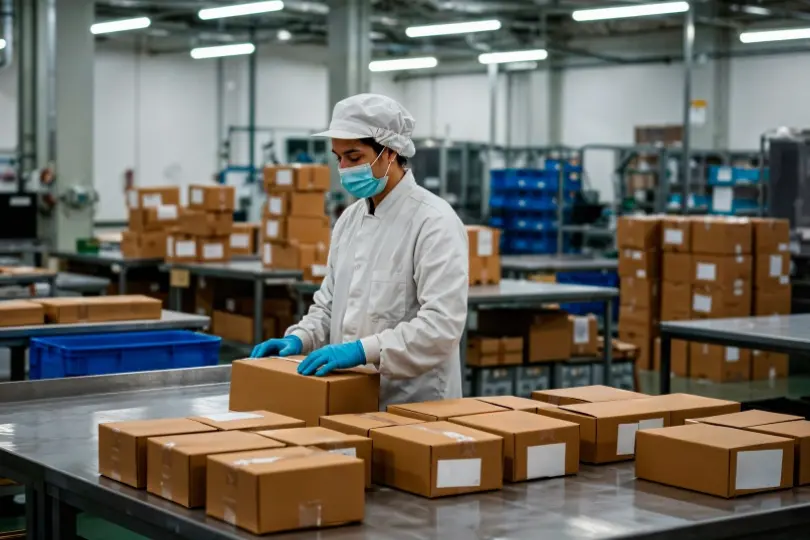
Recent global disruptions have exposed vulnerabilities in pharmaceutical supply chains, reinforcing the importance of Indian API manufacturing as a reliable alternative to single-source dependencies.
India is emerging as a strategic hub due to:
- Strong chemical and pharmaceutical infrastructure
- Government support for domestic API production
- Cost-effective manufacturing with global quality compliance
- Faster response to regional and international demand
As a result, API manufacturing in India is increasingly seen as a cornerstone of global supply-chain resilience.
5. Growth of Outsourcing, CDMOs, and Strategic Partnerships
Many pharmaceutical companies are moving away from in-house API production and turning to Indian CDMOs. This trend has significantly boosted Indian API manufacturing, especially in custom synthesis and contract manufacturing.
Outsourcing advantages include:
- Access to specialized API expertise
- Reduced capital investment
- Flexible scaling for commercial production
- Regulatory and compliance support
Indian API manufacturers are becoming long-term strategic partners rather than just suppliers.
6. Increasing Regulatory Focus and Compliance Excellence
As API manufacturing in India evolves, regulatory oversight is becoming more stringent. Global agencies now expect enhanced transparency, traceability, and data integrity across API supply chains.
Key compliance priorities include:
- Advanced GMP implementation
- Digital documentation and batch traceability
- Environmental compliance reporting
- Data integrity and cybersecurity measures
Indian API manufacturers investing in regulatory excellence gain faster global market access and reduced approval risks.
7. Rising Demand for Specialized and High-Value APIs
The demand for high-potency and specialty APIs is rising rapidly, especially in oncology, hormones, and advanced therapies. Indian API manufacturing is expanding into these high-value segments with upgraded containment facilities and advanced analytical capabilities.
Market trends show:
- Growing demand for HPAPIs and niche molecules
- Smaller batch sizes with high purity requirements
- Increasing focus on peptides and complex APIs
This shift is pushing innovation and technological advancement across India’s API sector.
8. Decentralized Production and Distributed Manufacturing Models
The traditional centralized production model is giving way to distributed manufacturing networks. API manufacturing in India is increasingly adopting this approach by collaborating with multiple GMP-certified facilities across regions.
Benefits include:
- Faster regulatory approvals in target markets
- Reduced logistics and inventory risks
- Greater flexibility to respond to demand fluctuations
This model enhances both global reach and local responsiveness.
Conclusion: The Future of Indian API Manufacturing Beyond 2026
The future of Indian API manufacturing is being shaped by innovation, sustainability, regulatory strength, and supply-chain resilience. As we approach 2026, API manufacturing in India will continue to play a critical role in the global pharmaceutical ecosystem.
Companies that embrace advanced technologies, green chemistry, strategic partnerships, and compliance excellence will be best positioned to lead the next phase of growth. For global pharmaceutical stakeholders, India remains not just a manufacturing hub but a strategic partner for long-term success.
Photo Credit:
Photo 1, Credit to FreePik || Photo 2, Credit to Freepik (CC0 1.0)