
Many people want clearer guidance on medicines used for type 2 diabetes. Ozempic can be part of a broader plan that also includes diet, activity, and regular monitoring. For a neutral overview of its form and typical use, see Ozempic (semaglutide) details to understand how it’s supplied and administered.
Managing long-term conditions can feel confusing, especially when goals compete. Blood sugar targets, weight changes, and daily routines all influence each other. A concise understanding of medication roles may reduce stress and improve follow-through.
What Ozempic Is and How It Works
Ozempic is a once-weekly prescription medicine used for adults with type 2 diabetes. It belongs to a group called GLP-1 receptor agonists. GLP-1 is a hormone that helps regulate blood sugar after meals.
This medicine can help the pancreas release insulin when blood sugar is high. It may also slow stomach emptying, which can reduce post-meal spikes. Some people notice reduced appetite, which can influence weight over time.
Who Might Consider It
People with type 2 diabetes who have not reached goals with lifestyle changes and first-line treatments may discuss this option. It can be considered when A1C remains above target despite diet, activity, and other medicines. Your healthcare professional will review your medical history, current medications, and personal preferences.
Those with a history of severe stomach or intestinal problems, certain endocrine conditions, or pancreatitis may need extra caution. Kidney function, gallbladder history, and thyroid issues also matter. A clinical visit can help weigh the benefits and risks for your situation.
Potential Benefits and Common Challenges
When used as directed, this medicine can lower A1C and support glucose stability. Some patients also report modest, gradual weight change. These effects vary and depend on patterns of eating, movement, sleep, and stress.
Common side effects include nausea, vomiting, diarrhea, and constipation. These often improve over weeks as the body adjusts. Eating smaller meals and limiting very fatty foods may reduce stomach symptoms.
How It Fits with Everyday Routines
Consistency matters. Choose one day each week and keep a reminder on your calendar. Travel or schedule changes can interrupt routines, so build simple prompts and backup plans.
Mealtime habits affect glucose responses. Aim for balanced plates with fiber, lean protein, and healthy fats. Space carbohydrate portions across the day, and include non-starchy vegetables to steady blood sugar.
Monitoring and Safety Notes
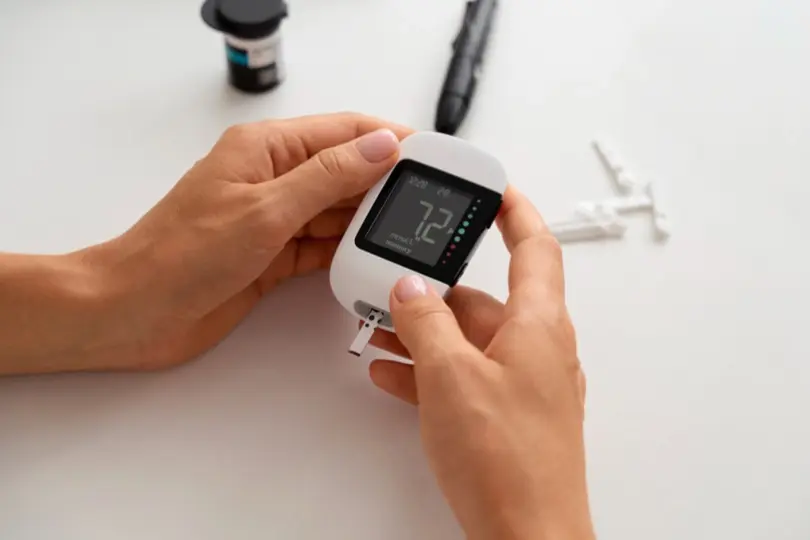
Track fasting glucose, post-meal readings, and any symptoms, especially during dose changes. Log stomach issues, appetite shifts, and signs of dehydration. Report severe or persistent symptoms to a healthcare professional.
Watch for warning signs such as severe abdominal pain, ongoing vomiting, or signs of low blood sugar if used with other glucose-lowering agents. Discuss any history of pancreatitis or gallbladder disease. Clarify what to do if you miss a weekly dose.
Medication Class Context
Ozempic is one of several GLP-1 receptor agonists. This class works by enhancing the body’s own insulin response and moderating appetite signals. People explore these options when lifestyle measures and first-line therapies are not enough.
To learn more about this medication class more broadly, see GLP-1 Agonists for general category information and comparisons. Your clinician can explain similarities and differences among agents, including dosing schedules and tolerability.
Lifestyle Strategies That Support Results
Medication is one part of care. Daily habits help stabilize blood sugar and maintain energy. Focus on achievable changes and steady momentum.
- Nutrition: Emphasize fiber-rich foods, lean proteins, and healthy fats. Limit sugary drinks and highly processed snacks. Adjust portion sizes gradually.
- Activity: Aim for at least 150 minutes of moderate exercise weekly, if appropriate. Include two days of strength training to support muscle and insulin response.
- Sleep: Target 7–9 hours. Poor sleep can raise appetite and worsen insulin resistance.
- Stress: Practice brief, regular stress-reduction methods like walking, breathing exercises, or short stretches.
- Monitoring: Keep records of glucose, meals, activity, and symptoms to spot patterns.
Weight Considerations
Some people using Ozempic notice weight changes, while others do not. Weight trends are influenced by many factors, including portion sizes, meal timing, and movement. A gradual, sustainable approach is safer and more durable than rapid shifts.
If weight management is a goal, set specific, trackable behaviors rather than scale-only targets. Examples include adding one extra vegetable serving daily or walking 10 minutes after meals. Small, repeatable actions compound over time.
Interactions, Contraindications, and Special Situations
Tell your healthcare professional about all medicines, including over-the-counter products and supplements. Some combinations may increase the risk of low blood sugar. Others can worsen stomach symptoms or affect hydration.
Pregnancy, breastfeeding, and planned surgeries require individualized guidance. People with diabetic retinopathy should discuss vision monitoring. Kidney or liver conditions may change dosing and follow-up plans.
Storage, Handling, and Practical Tips
Follow the device instructions for storage and temperature. Keep the medicine out of children’s reach. Note the first use date and discard on schedule.
Rotate injection sites to reduce skin irritation. Do not use the device if it looks damaged or has been improperly stored. Ask a pharmacist or clinician to review the technique if you are unsure.
What to Discuss with Your Clinician
Bring recent labs, glucose logs, and a list of current medications. Share your primary goals, such as reducing A1C, managing weight, or improving energy. Ask about expected timelines for side effects and benefits.
Review whether Ozempic is suitable for you, how it interacts with your other therapies, and what monitoring is recommended. Clarify when to schedule follow-ups and how to reach the care team between visits.
Balanced Takeaway
Ozempic can help support glucose control as part of a comprehensive plan. Its effectiveness depends on consistent use, lifestyle habits, and individual health factors. A collaborative approach with your healthcare professional keeps treatment aligned with your goals.
Medical disclaimer: This content is for informational purposes only and is not a substitute for professional medical advice.
Photo Credit:
Photo 1, Credit to Freepik || Photo 2, Credit to Freepik (CC0 1.0)