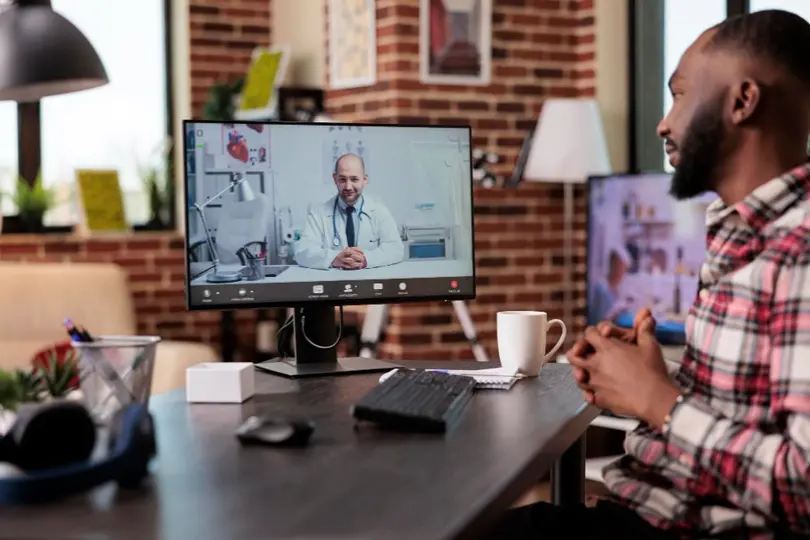
Healthcare delivery is evolving rapidly, driven by the need for greater accessibility and efficiency. Telehealth has emerged as a cornerstone of this transformation, offering patients convenient access to care while alleviating pressure on overextended medical staff. Beyond virtual consultations, telehealth is part of a broader movement to integrate technology into clinical workflows, ensuring that providers can deliver high-quality care without being overwhelmed by administrative tasks. This shift is about creating sustainable systems that prioritize both patient outcomes and staff well-being.
The Rise of Telehealth in Modern Care
Telehealth has grown from a niche offering to a mainstream solution embraced by hospitals, clinics, and private practices. Its ability to connect patients with providers remotely has proven invaluable, particularly in rural areas where access to specialists is limited. By reducing the need for in-person visits, telehealth minimizes travel time for patients and frees up physical space in healthcare facilities. For providers, this means fewer scheduling conflicts and more flexibility in managing caseloads. As telehealth platforms become more sophisticated, they are increasingly integrated with electronic health records and diagnostic tools, creating a seamless experience for both patients and clinicians.
Addressing Staff Burnout Through Technology
Healthcare professionals face mounting pressures, from high patient volumes to complex compliance requirements. Burnout has become a critical issue, impacting staff retention and patient safety. Technology offers a pathway to relief by automating routine tasks and streamlining communication. Features such as digital intake forms, automated appointment reminders, and secure messaging reduce administrative burdens, allowing clinicians to focus on direct patient care. When staff can spend less time on paperwork and more time practicing medicine, job satisfaction improves and patient outcomes follow suit.
The Role of Communication in Care Coordination
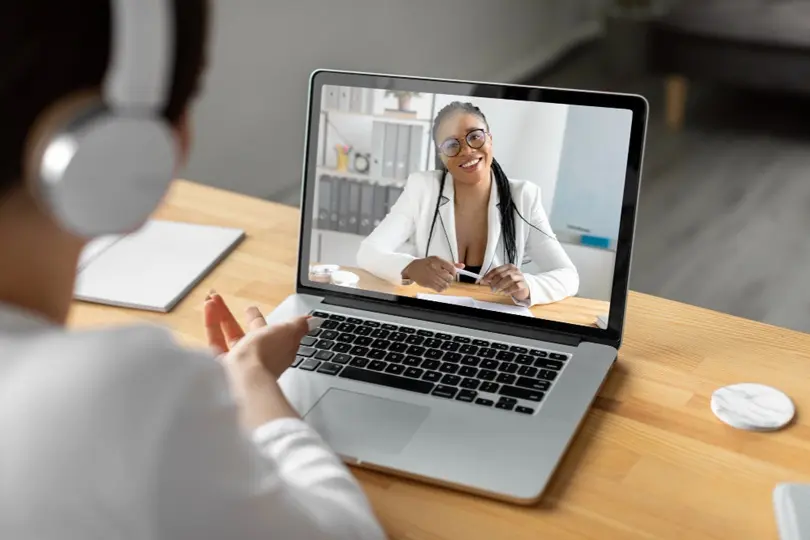
Effective communication is the backbone of any healthcare system. In environments where multiple specialists, nurses, and administrative staff must collaborate, delays or miscommunication can have serious consequences. Unified platforms that integrate voice, video, and messaging capabilities ensure that information flows quickly and securely. Among the most impactful innovations are communication tools in healthcare, which include secure messaging apps, real-time alert systems, and video conferencing solutions. These tools enable rapid decision-making, reduce errors, and keep care teams aligned, even when working across different locations or time zones.
Expanding Access Beyond Telehealth
While telehealth addresses many challenges, it is only one piece of the puzzle. Expanding access to care requires a holistic approach that includes remote monitoring, mobile health applications, and patient engagement platforms. Remote monitoring devices allow clinicians to track vital signs and chronic conditions without requiring patients to visit a clinic. Mobile apps empower patients to manage their health proactively, from medication reminders to lifestyle tracking. These innovations complement telehealth by creating a continuous care model that extends beyond the virtual visit, ensuring that patients receive timely interventions and personalized support.
Building a Sustainable Future for Healthcare
The integration of telehealth and advanced communication technologies represents the future of healthcare delivery. By leveraging digital tools, organizations can reduce operational inefficiencies, improve patient satisfaction, and support staff well-being. The key lies in adopting systems that are secure, scalable, and user-friendly, ensuring that both patients and providers can navigate them with ease. As healthcare continues to evolve, embracing technology will be essential for meeting the growing demands of an aging population and an increasingly complex care landscape.
Conclusion
Telehealth and related technologies are reshaping healthcare by expanding access and reducing the burden on medical staff. From virtual consultations to remote monitoring and integrated communication platforms, these innovations create a more efficient and patient-centered system. By investing in tools that streamline workflows and enhance collaboration, healthcare organizations can deliver better outcomes while supporting the professionals who make it all possible. The future of care is connected, and those who embrace this transformation will be best positioned to thrive in an ever-changing healthcare environment.
Photo Credit:
Photo 1, Credit to Freepik || Photo 2, Credit to Freepik (CC0 1.0)