
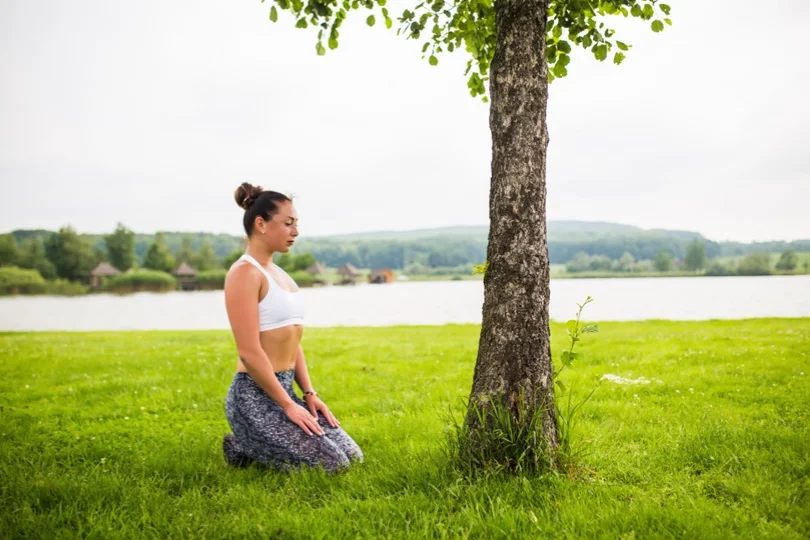
Green spaces have long been recognized as places of restoration, offering a sense of calm and connection that can be difficult to find in fast‑paced, built environments. Whether it’s a neighborhood park, a backyard garden, or a quiet trail, natural settings can help reduce stress, improve mood, and support overall well‑being. These benefits are not limited to any particular age group or lifestyle; rather, they reflect a universal human response to nature. As more people seek balance in their daily lives, understanding the healing power of green spaces becomes increasingly important.
The Emotional Benefits of Time Spent in Nature
Spending time in green spaces can have a profound impact on emotional health. Natural environments often provide a sense of grounding, helping people step away from the pressures of work, technology, and constant stimulation. The simple act of walking among trees, listening to birds, or feeling fresh air can help quiet the mind and reduce feelings of anxiety. Many individuals find that nature encourages reflection, allowing them to process emotions more clearly. This emotional reset can be especially valuable during stressful periods, offering a gentle reminder that calm and clarity are still accessible.
Physical Health Improvements Linked to Green Environments
Green spaces also support physical well‑being in ways that complement their emotional benefits. Outdoor areas encourage movement, whether through walking, gardening, or recreational activities. Even light physical activity can improve cardiovascular health, boost energy levels, and support better sleep. Exposure to natural light helps regulate the body’s internal rhythms, while fresh air can enhance respiratory comfort. For those who may not have easy access to large outdoor areas, small-scale nature experiences—such as tending to houseplants or using an indoor mushroom growing kit can still provide meaningful sensory engagement and a sense of connection to the natural world.
Green spaces often serve as gathering places where people can connect with friends, family, and community members. Shared outdoor activities—picnics, group walks, community gardens, or outdoor classes—can strengthen relationships and create a sense of belonging. These interactions are especially important in times when social isolation is a concern. Nature provides a relaxed backdrop that encourages conversation and shared enjoyment without the distractions of indoor environments. For many, these social experiences become cherished memories that reinforce the emotional value of spending time outdoors.
Supporting Cognitive Clarity and Creativity
Nature has a unique ability to restore mental focus. Research has shown that time spent in green environments can improve concentration, reduce mental fatigue, and enhance creative thinking. This is particularly beneficial for individuals who spend long hours working at a desk or managing complex tasks. A short walk outside or a moment spent observing natural scenery can help reset the mind, making it easier to return to work with renewed clarity. Children and adults alike benefit from these cognitive boosts, which can support learning, problem‑solving, and overall productivity.
Bringing Nature Into Everyday Life
Not everyone has access to expansive parks or forests, but there are many ways to incorporate the healing qualities of nature into daily routines. Small gardens, balcony plants, or indoor greenery can create a sense of calm within the home. Community gardens offer opportunities to grow food, learn new skills, and connect with neighbors. Even brief outdoor breaks during the day—such as stepping outside for fresh air or taking a short walk—can make a noticeable difference in mood and energy. The key is to find simple, consistent ways to engage with natural elements, no matter the setting.
Conclusion
Green spaces offer powerful benefits for emotional, physical, and cognitive well‑being. Whether through outdoor exploration or small touches of nature brought indoors, these environments help restore balance and support a healthier, more grounded life. By making time for nature in ways that feel accessible and meaningful, individuals can tap into a timeless source of healing and renewal.
Photo Credit:
Photo 1, Credit to Freepik || Photo 2, Credit to Freepik (CC0 1.0)