
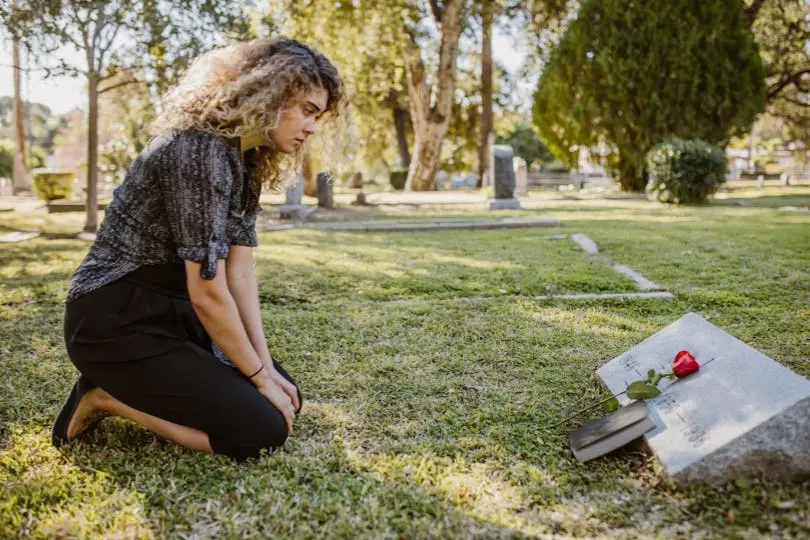
Loss is a universal human experience, yet it affects each person differently depending on age, life stage, and personal history. Whether the loss involves a loved one, a relationship, a job, or a major life transition, the emotional impact can feel overwhelming. While grief has no fixed timeline or predictable pattern, many people find comfort in understanding that their reactions are normal and that support is available. The following guidance offers general, non‑clinical approaches to navigating loss with compassion and resilience at any age.
Understanding How Grief Evolves Across Life Stages
Grief can manifest differently depending on where someone is in life. Children may struggle to understand the permanence of loss, expressing their feelings through behavior rather than words. Teenagers often experience grief alongside identity development, which can intensify emotions or create confusion about how to cope. Adults may face grief while balancing work, caregiving, or financial responsibilities, making it difficult to find time to process emotions. Older adults may experience cumulative losses, including friends, partners, or independence, which can deepen feelings of loneliness. Recognizing these differences can help individuals and families respond with patience and empathy, allowing each person to grieve in a way that feels natural to them.
Creating Space for Emotional Expression
One of the most important aspects of coping with loss is allowing yourself to feel what arises without judgment. Grief can include sadness, anger, guilt, numbness, or even moments of relief—especially after a long illness or difficult relationship. These emotions often come in waves rather than a linear progression. Journaling, creative expression, or talking with trusted friends can help externalize feelings that might otherwise remain bottled up. Some people find comfort in structured support, such as grief counseling in Colorado, which can offer a safe environment to explore emotions and learn healthy coping strategies. Regardless of the method, permitting yourself to feel is a vital part of healing.
Maintaining Routines and Healthy Habits

Loss can disrupt daily life, making even simple tasks feel exhausting. Maintaining gentle routines can provide a sense of stability during an emotionally turbulent time. Regular meals, light physical activity, and consistent sleep patterns can help support emotional resilience. It’s also helpful to set small, achievable goals—such as taking a short walk, preparing a simple meal, or completing a household task. These actions can restore a sense of agency and remind you that life continues to hold structure and meaning, even when grief feels overwhelming. Flexibility is key; routines should support healing, not add pressure.
Finding Meaning and Connection After Loss
Many people find that grief prompts reflection on values, relationships, and life purpose. This process can be painful, but it can also lead to meaningful personal growth. Some individuals turn to spiritual or cultural traditions for comfort, while others find solace in nature, community involvement, or creative pursuits. Sharing stories about the person or experience you lost can also help preserve connection and honor what mattered most. Over time, these practices can transform grief from acute pain into a deeper sense of appreciation, understanding, or legacy. Meaning-making does not erase loss, but it can help integrate it into your life in a way that feels constructive.
Supporting Others While Caring for Yourself
When families or communities experience loss together, it can be challenging to balance personal grief with the desire to support others. Open communication can help ensure that everyone’s needs are acknowledged. Listening without trying to “fix” someone’s feelings is often more helpful than offering advice. At the same time, it’s important to recognize your own limits. Taking breaks, setting boundaries, and seeking support when needed can prevent emotional burnout. Grief is not a burden to carry alone; leaning on others—whether friends, family, or professionals—can make the journey more manageable.
Conclusion
Dealing with loss at any age requires patience, compassion, and a willingness to honor your own emotional process. While grief can feel isolating, it is also a shared human experience that connects us across generations. By creating space for emotions, maintaining supportive routines, seeking connection, and allowing meaning to emerge over time, many people find a path toward healing. Loss may change your life, but with understanding and support, it does not have to diminish your capacity for resilience or hope.
Photo Credit:
Photo 1, Credit to Pexels || Photo 2, Credit to Freepik (CC0 1.0)