

Bathing goes beyond just cleaning up—it’s a time for comfort, relaxation, and self-respect. People with special needs might find bath time scary or risky without proper help. As someone who cares for or is related to such a person, you can make this experience pleasant and worry-free by mixing safety, helpful tools, and a kind approach.
Here are down-to-earth ways to help your loved one feel sure of themselves and at ease during bath time.
1. Make a Safe and Easy-to-Use Space
Safety comes first. Begin by checking the bathroom for dangers like slippery floors or sharp corners. Put non-slip mats inside and outside the tub to lower the chance of falls. Grab bars are key; set them up near the tub entrance and inside to help with steadiness during moves and washing. If you rent, you can use tension-mounted poles or movable rails to give secure support without making lasting changes.
The light should be bright but soothing, and the area should be clear of things in the way for easy movement. Set the water temperature before your loved one gets in the tub to stop burns, and think about adding an anti-scald device for extra protection.
2. Pick Adaptive Tools That Boost Comfort and Self-Reliance
The right gear can make bath time safe and fun. A bath chair or bench gives you a steady place to sit so you don’t have to strain yourself getting down to the tub floor or standing for ages.
Here’s what to look for:
- Stability: Wide non-slip feet and a strong frame.
- Adjustability: Settings to change the height, armrests, and back support to fit you just right.
- Easy to clean: Materials that repel water and don’t let mold and mildew grow.
- Help with getting in and out: Parts that slide or have cutouts to make it smooth to get in and out.
When picking equipment, think about a reliable bath chair for special needs. It should be strong, comfy, and safe for people with different mobility needs. This purchase not only gives physical support but also boosts confidence and freedom during bath time.
3. Create a Peaceful and Regular Routine
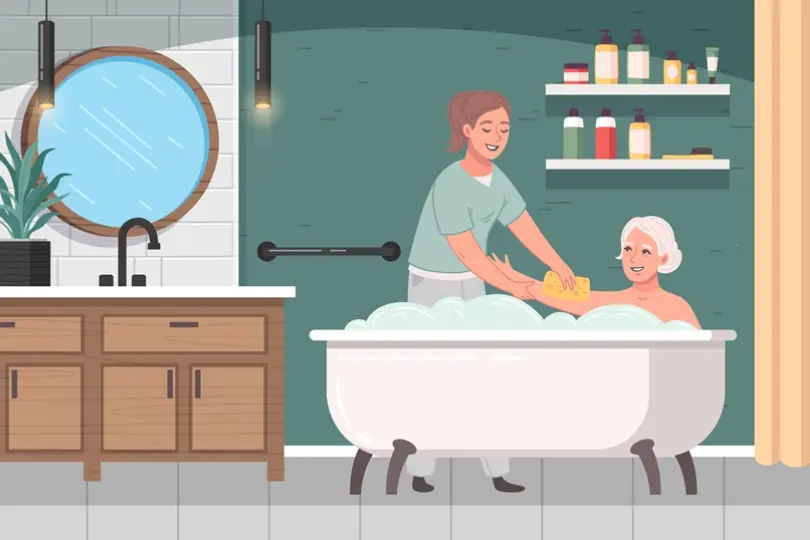
Keeping things the same helps lower stress and builds trust. Begin by walking through each step before you start, using simple and calming words. Pictures or cards showing the steps can help kids or grown-ups who have trouble understanding.
Get everything you need—towels, soap, shampoo, and special tools—before you begin to avoid stopping. Put often-used items close by to cut down on bending or reaching. If the person you’re caring for likes certain smells, feels, or water heat, make sure to include those in the routine. For people sensitive to touch or smell, choose products without scents and keep the water flowing to prevent too much stimulation.
Soothing music or calm sounds can set a relaxing mood. Many caregivers play favorite songs or use waterproof speakers to make bath time more pleasant and less sterile.
4. Promote Involvement and Self-Reliance
Bathing should be a team effort that gives your loved one control instead of making them feel helpless. Ask them to help with tasks they can handle, like washing their face, arms, or legs. Give them adaptive tools such as long-handled sponges or pump dispensers to simplify these tasks. For those with a weak grip, think about using lightweight bottles or mounted dispensers to reduce strain.
Give options whenever you can, like picking the soap smell or choosing between a handheld shower or a bath. These little choices help your loved one feel in control and respected. Cheer them on for their efforts and celebrate every bit of progress. Positive feedback boosts their confidence and makes bath time more fun.
5. Adjust for Sensory and Emotional Needs
Special needs often involve differences in how people process sensory input, which can make bath time tough. Some people might find changes in water temperature, splashing noises, or certain feelings on their skin too much to handle.
To help with this, try these sensory-friendly ideas:
- Temperature control: Maintain lukewarm water at a steady level during the bath.
- Gentle flow: Pick a handheld shower with a changeable pressure to create a milder stream.
- Soft materials: Select towels and washcloths with smooth surfaces to prevent skin irritation.
- Gradual exposure: Let your loved one wet their hands or feet before getting into the water.
Emotional support plays a key role, too. Bath time might cause anxiety for people who link it with bad past experiences or worries about falling. Give comfort, keep eye contact, and talk in a calm way. If needed, split the process into smaller tasks—cleaning one part at a time—to avoid too much stress. For kids, adding fun items like water-safe toys or bubbles can change bath time into an enjoyable and captivating event.
Conclusion
Supporting a family member with special needs during bath time requires a combination of care, understanding, and creativity. To make bathing enjoyable, you can take several steps. First, set up a space that’s easy to access. Next, pick out tools that help them bathe. Also, create a routine they can count on. Encourage them to do things on their own when possible. Think about their sensory needs. By doing these things, you can turn bath time into a comfortable and respectful experience. If you stay patient and use the right equipment, you can help make bathing a good part of your loved one’s day.
Photo Credit:
Photo 1, Credit to FreePik || Photo 2, Credit to Freepik (CC0 1.0)