Last Updated: May 22, 2026
TL;DR: Knowing the right steps matters. So does knowing what not to do. Moving spinal injury casualties, applying butter to burns, and tilting the head back during nosebleeds, these mistakes happen because people either learned wrong or forgot what they knew. The fix is proper training, not just a certificate that sits in a drawer. Refresh it, practise it, and don’t wait for an emergency to find out your knowledge is 5 years out of date.
Accidents can happen anywhere, at home, on the road, in the office, or on a busy construction site. While many Australians have completed a first aid course at some point, panic, misinformation, and outdated advice often lead to critical mistakes when it matters most. Understanding what not to do is just as important as knowing the correct steps.
This is particularly true in workplace settings, where legal obligations and safety standards apply. Employers and supervisors must understand the first aid requirements for worksites to ensure enough trained personnel are available when incidents occur. But beyond compliance, it’s about confidence, and avoiding common errors that can make injuries worse.
Here are some of the most frequent first aid mistakes people make, and what you should do instead.
Not Checking the Scene for Safety First
In an emergency, adrenaline kicks in. The instinct to rush in and help is admirable, but dangerous. One of the biggest mistakes is failing to check whether the area is safe. For example:
- Entering a road accident scene without checking the traffic flow
- Touching someone who has been electrocuted without isolating the power source
- Assisting someone in a chemical spill without protective equipment
If you become injured, you add another casualty to the situation. Always assess hazards before intervening.
Moving an Injured Person Unnecessarily
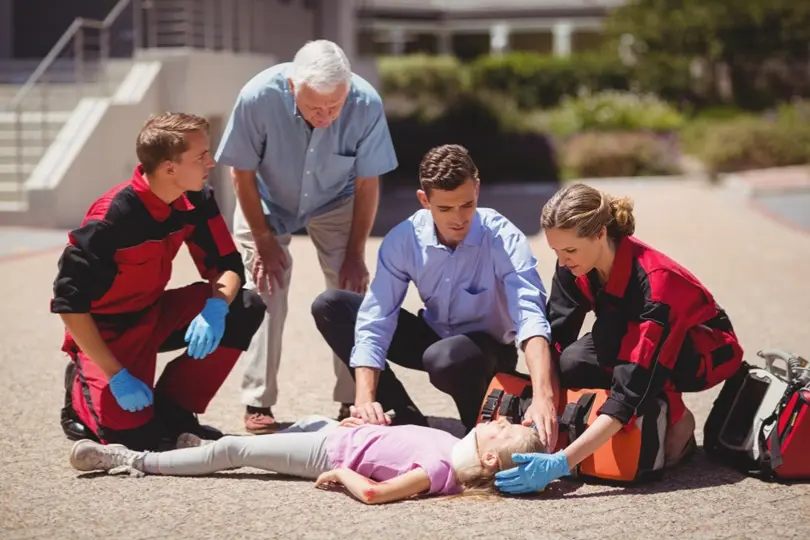
Unless someone is in immediate danger (such as a fire or a collapsing structure), avoid moving them, especially if you suspect spinal injury. Common mistakes include:
- Sitting someone up after a fall
- Dragging a casualty without stabilising the head and neck
- Encouraging them to “walk it off.”
Incorrect movement can worsen internal injuries or spinal damage. Stabilise, reassure, and wait for emergency services unless relocation is necessary.
Applying Ice Directly to the Skin
Ice is helpful for sprains, strains, and swelling, but placing it directly on bare skin can cause tissue damage or ice burns. Correct approach:
- Wrap ice in a cloth or towel
- Apply for 15–20 minutes at a time
- Monitor the skin for excessive redness or numbness
It’s a small detail that makes a big difference.
Tilting the Head Back During a Nosebleed
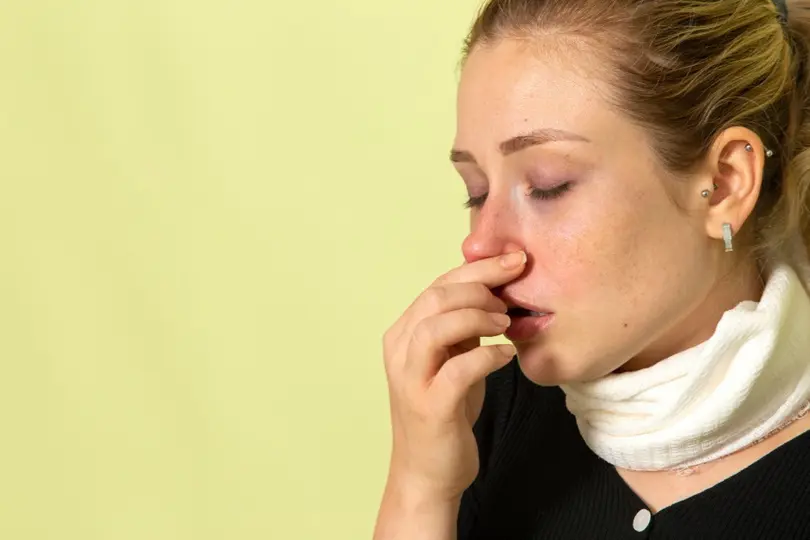
This is an old myth that many of us were taught as children. Tilting the head back can cause blood to run down the throat, leading to nausea or choking. Instead:
- Sit upright
- Lean slightly forward
- Pinch the soft part of the nose for 10 minutes
Simple, effective, and far safer.
Using Butter or Ointments on Burns
Despite popular belief, applying butter, toothpaste, or heavy ointments to burns traps heat in the skin and increases tissue damage. For minor burns:
- Cool under running water for at least 20 minutes
- Remove jewellery or tight clothing
- Cover loosely with a non-stick dressing
Avoid home remedies; they often do more harm than good.
Removing Embedded Objects
If someone has a piece of glass, metal, or another object embedded in a wound, resist the urge to pull it out. Removing it can increase bleeding, cause further tissue damage, and worsen shock. Instead, stabilise the object with padding and seek urgent medical assistance.
Not Calling Emergency Services Soon Enough
Many people hesitate to call 000 because they don’t want to “overreact”. However, delays can have serious consequences. Call immediately if:
- The person is unconscious
- There is difficulty breathing
- Severe bleeding won’t stop
- Chest pain is present
- A seizure lasts longer than five minutes
When in doubt, call. Emergency operators can guide you through immediate steps.
Forgetting to Replace First Aid Supplies
Having a first aid kit is excellent, but an incomplete kit is almost useless. Common oversights:
- Expired saline or antiseptics
- Missing gloves
- No sterile dressings
- Flat batteries in defibrillators
Workplaces in particular must conduct regular audits of supplies and ensure trained staff are available at all times.
Panicking and Giving Conflicting Instructions
In group situations, uncoordinated responses can create chaos. Multiple people shouting instructions or attempting different interventions can confuse both the casualty and bystanders. Best practice:
- One person takes the lead
- Assign specific tasks clearly
- Speak calmly and confidently
Clear communication reduces stress and improves outcomes.
Relying on Outdated Knowledge
First aid guidelines evolve. CPR ratios have changed over the years, as have recommendations for treating burns, choking, and allergic reactions. If you completed a course five or ten years ago and haven’t refreshed your training, your knowledge may no longer align with current standards. Regular refresher courses ensure your response reflects up-to-date best practice.
If you’re based in Newcastle and want to go beyond the basics, it’s worth knowing what proper training actually covers, how different industries face different risks, and where even certificate-holders get things wrong under pressure. We put together a detailed guide on first aid training courses in Newcastle that covers exactly that, including the edge cases most courses skip.
Why Proper Training Matters
Most first aid mistakes stem from:
- Outdated information
- Panic
- Overconfidence
- Misguided “home remedy” advice
Accurate, hands-on training builds muscle memory and confidence, reducing hesitation and error in real emergencies. In workplace environments, especially trained responders can significantly minimise injury severity, downtime, and liability risks.
First aid is about doing the right thing quickly… but it’s equally about avoiding the wrong thing
Small errors can escalate injuries, delay recovery, and even endanger lives. By staying informed, refreshing your training regularly, and ensuring proper workplace compliance, you create safer homes, safer worksites, and safer communities. When an emergency happens, preparation, not guesswork, makes all the difference.
Frequently Asked Questions
Is it ever safe to move someone after an accident?
Only if they’re in immediate danger, such as an active fire, rising water, or a collapsing structure. Otherwise, moving someone with an undetected spinal injury can cause permanent damage or paralysis. The rule is to stabilise, reassure, and wait for emergency services unless staying put puts their life at direct risk. The HSE’s first aid guidance is clear that unnecessary movement is one of the most common responder errors.
How long should you run a burn under cold water?
At least 20 minutes under cool running water. Not ice water, which can cause cold injury on top of the burn. The NHS burn treatment guidelines specify cool (not cold) running water for a minimum of 20 minutes, removing jewellery or tight clothing near the area, and covering loosely with a non-stick dressing. Home remedies like butter, toothpaste, or oil trap heat and make tissue damage worse.
When should you call emergency services for a nosebleed?
Call if the bleed doesn’t stop after 20 to 30 minutes of correct first aid, if it follows a head injury, or if the person is on blood thinners. For a standard nosebleed, sit upright, lean slightly forward, and pinch the soft part of the nose for 10 minutes. The NHS advises against tilting the head back, as blood can run down the throat and cause choking or nausea.
Should you remove an object embedded in a wound?
No. Removing it can increase bleeding, damage surrounding tissue, and worsen shock. The correct approach is to stabilise the object with padding around it (not on top of it), apply gentle pressure to the surrounding area only, and get the person to hospital urgently. The British Red Cross embedded object guidance is consistent on this: leave it in place and let medical professionals remove it in a controlled setting.
How often should workplace first aid kits be checked?
At minimum, after every use and at least once every 12 months as a routine audit. The HSE recommends appointing a responsible person to maintain the kit and keep a record of checks. Defibrillator pads and batteries need separate tracking since they carry their own expiry dates, often every 2 years, and a flat AED in an emergency is the same as no AED at all.
About The Author:
Jason Wong is a journalist and blogger based in Singapore, writing mostly about the Health and Medical field in Singapore and Southeast Asia.
Photo Credit:
Photo 1, Credit to Freepik || Photo 2, Credit to Freepik (CC0 1.0)