
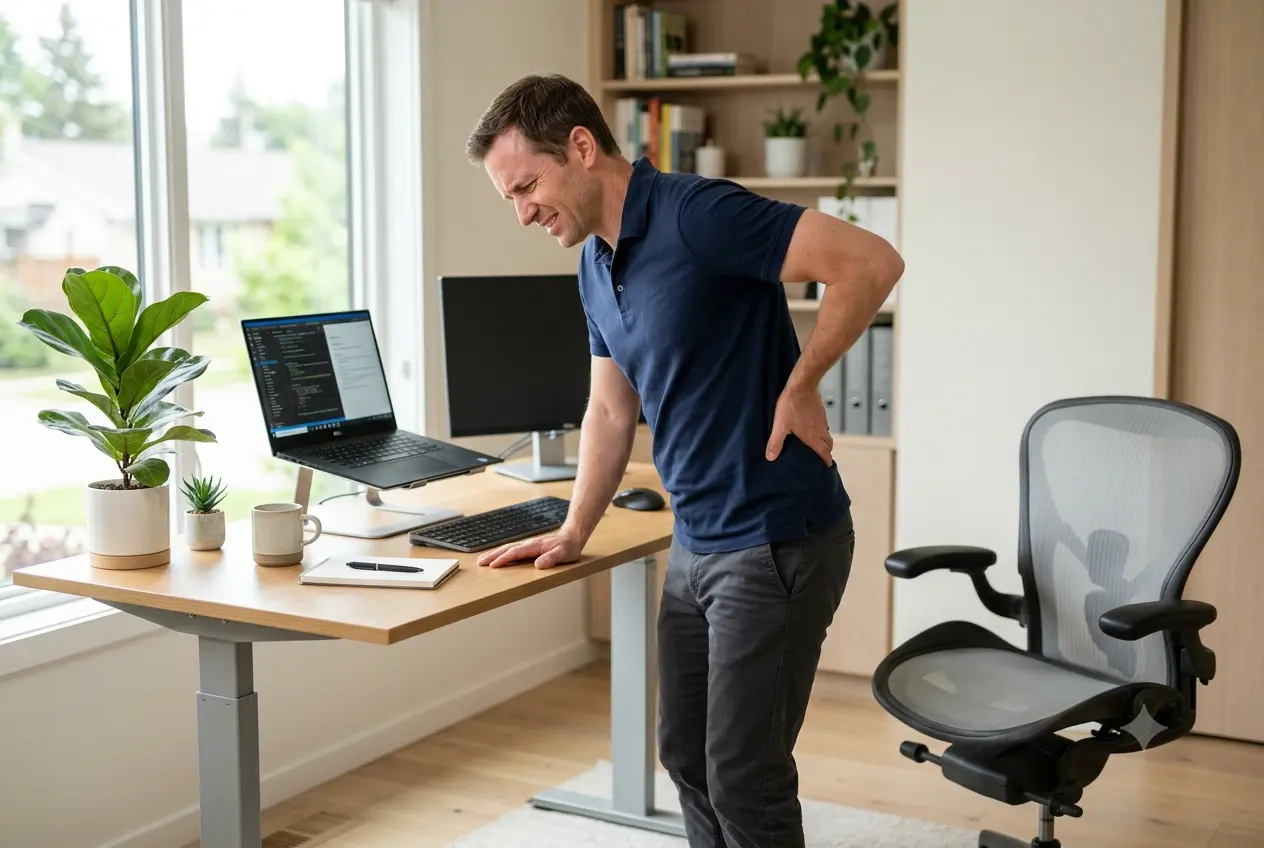
This article is based on guidance from leading health organizations, peer-reviewed research, and current rehabilitation best practices. It is intended for educational purposes and should not replace personalized medical advice.
Back pain rarely has a single cause, which is why the best treatment combines several strategies instead of relying on one quick fix. Understanding the source of your pain, improving posture, staying active, strengthening key muscles, and making ergonomic changes can reduce discomfort and improve daily function. When symptoms persist, or warning signs appear, professional evaluation helps identify the right treatment before the problem becomes more difficult to manage.
Did You Know?
Low back pain is the leading cause of disability worldwide and affects hundreds of millions of people each year, making early self-management and appropriate treatment essential. (Source: World Health Organization)
What Is Causing Your Back Pain and Why Does Identifying the Cause Matter?
Start here. Seriously, this one step alone eliminates enormous amounts of wasted effort. Muscle strain, a deteriorating disc, a workstation designed by someone who hates spines, an underlying condition requiring real medical attention, these are not the same problem and don’t respond to the same fixes.
Notice patterns. Flares after two hours at a desk? Eases once you’re up and walking? Those clues point somewhere specific. A healthcare provider can confirm whether it’s straightforward or something needing a specialist. Chasing symptoms without identifying the actual source? Exhausting. Don’t do it.
How Can Better Posture Reduce Everyday Back Pain?
Slouching inflicts slow, invisible damage. Feels harmless in the moment. But your spine absorbs uneven load constantly while your muscles quietly compensate, and eventually those muscles stop compensating quietly. Shoulders back and relaxed. Chest open. Core lightly engaged. That single adjustment redistributes weight onto structures actually built to handle it.
At your desk: monitor at eye level, keyboard close, chair supporting your lumbar curve. No proper lumbar support? A small pillow wedged behind your lower back works fine. None of this is complicated. Stacked across a full workday, week after week, the cumulative effect is significant, in the right direction.
Which Stretches and Strength Exercises Help Support a Healthy Back?
Tight hamstrings. Locked hip flexors. A core that contributes nothing. These aren’t isolated issues, they build a chain of compensations that eventually surfaces as back pain. Stretching breaks the tension. Strengthening exercises fill the structural gap. Both are non-negotiable.
Cat-cow stretches, glute bridges, planks, straightforward moves, done several times a week consistently, develop the stability that takes load off individual vertebrae. Your back was never meant to carry everything alone. Give it actual support.
Why Does the Same Back Pain Treatment Work for Some People but Not Others?
Back pain is a symptom rather than a diagnosis. Two people can have similar pain but completely different underlying causes. The right treatment depends on whether the pain comes from muscles, joints, nerves, discs, inflammation, or another medical condition.
One of the biggest reasons people become frustrated is because they assume every back pain problem responds to the same advice. In reality, experienced clinicians rarely treat two patients exactly alike. The location of the pain, how it behaves during movement, when it appears, and what makes it better all provide important clues.
For example, muscle-related pain often feels sore and improves as you gently move throughout the day. Nerve pain is more likely to feel sharp, burning, or travel down the leg. Joint irritation may worsen when bending backward, while inflammatory conditions often cause significant morning stiffness that improves only after prolonged movement.
Another important difference is the timeline. Acute pain usually reflects recent tissue irritation and often improves within several weeks. Chronic pain can involve changes in how the nervous system processes pain signals, meaning recovery requires more than simply waiting for tissues to heal.
Pay attention to patterns instead of isolated painful moments. A pain journal that records activities, sleep quality, sitting time, exercise, and symptom severity often reveals triggers that would otherwise go unnoticed. Those details can help your healthcare provider develop a treatment plan that targets the real problem instead of simply masking symptoms.
Should You Use Heat or Ice for Back Pain?
These tools do opposite things. Cold constricts vessels, blunts sharp acute pain, right call within the first 48 hours after an injury. Heat opens circulation, loosens muscles that have been clenched for days or weeks. A heating pad for 15 to 20 minutes handles chronic stiffness well. An ice pack wrapped in cloth addresses inflammation when pain feels localized and sharp. Neither is universally correct. Try both. Your back will make the preference obvious.
When Can Standard Back Pain Advice Actually Make Things Worse?
General advice works for many people, but not everyone. Stretching, heat therapy, walking, or core exercises may temporarily increase symptoms depending on the underlying cause of your back pain. Knowing when to adjust your approach is just as important as knowing what to do.
Stretching is a good example. Tight muscles usually benefit from gentle stretching, but stretching an irritated nerve or recently injured muscle can increase discomfort.
Heat is another area where context matters. Heat often helps chronic muscle tension, while recent injuries with swelling may respond better to cold therapy during the first couple of days.
Walking is commonly recommended, yet people with severe spinal stenosis may find that long walks increase symptoms while shorter walks with regular breaks feel much better.
Core strengthening also requires progression. Jumping directly into advanced exercises before rebuilding basic stability can overload tissues that are still recovering.
The lesson is simple. Listen to how your body responds over the next 24 hours rather than judging an activity by how it feels during the first few minutes.
Quick Self Check: Is Your Back Pain Improving?Ask yourself these five questions once a week instead of focusing only on today’s pain.
If most answers are “yes,” your recovery is moving in the right direction, even if occasional flare-ups still occur. |
How Can an Ergonomic Workspace Help Prevent Back Pain?
Your environment is actively helping or actively hurting. Not much middle ground exists. Screen position matters more than most people realize, a monitor that’s too low pulls your head forward, loading your cervical and thoracic spine in ways they weren’t designed for. Feet flat on the floor. Knees near 90 degrees. Back supported. That’s the baseline.
At home: how are you sitting on the couch? How are you holding your phone? When lifting something heavy, bend at the knees and keep the object close. These tweaks look minor individually. Cumulatively, ergonomic improvements strip a surprising amount of daily stress from your spine.
Which Daily Habits Quietly Keep Back Pain From Improving?
Many cases of persistent back pain are influenced by small daily habits rather than a single injury. Sitting too long, poor sleep posture, repeated heavy lifting, and inconsistent movement can place continuous stress on the spine and slow recovery.
People often focus on a 20-minute workout while overlooking the other 15 hours of the day. Those hours usually have a much greater influence on spinal health.
Long periods of uninterrupted sitting reduce blood flow to muscles that support the spine. Even a short standing break every 30 to 45 minutes can help reduce stiffness and muscle fatigue.
Sleep also plays a bigger role than many people realize. Sleeping on a worn mattress or using an unsupportive pillow can leave muscles tense before the day even begins.
Technology habits deserve attention as well. Looking down at a phone for extended periods encourages rounded shoulders and forward-head posture, which increase strain throughout the neck, upper back, and lower back.
Even weekend activities matter. Some people remain inactive during the workweek and then spend an entire Saturday gardening, moving furniture, or playing sports. That sudden increase in activity often leads to recurring pain that could be avoided through more consistent movement throughout the week.
Myth vs Reality: Common Back Pain Advice That Can Slow Recovery
Many people follow well-meaning advice that has been repeated for years, even though research now paints a more complete picture. Separating myths from evidence can help you avoid unnecessary setbacks.
| Myth | Reality |
|---|---|
| Complete bed rest is the fastest way to recover. | Staying active within your comfort level usually leads to better recovery than prolonged bed rest. |
| Every abnormal MRI explains pain. | Many healthy adults have disc bulges or age-related spinal changes without experiencing pain. Imaging findings should always be interpreted alongside symptoms. |
| Pain always means more damage. | Pain intensity does not always reflect the amount of tissue injury, especially in long-lasting pain conditions. |
| Surgery is the only permanent solution. | Most episodes of back pain improve with conservative treatment such as exercise, physical therapy, and activity modification. |
| If an exercise hurts once, you should never do it again. | Some mild discomfort during rehabilitation is normal. Persistent or worsening pain is what deserves closer attention. |
Perhaps the biggest misconception is that recovery should happen in a straight line. Most people experience good days and bad days before meaningful improvement becomes consistent. Looking only at today’s pain can hide the progress you’ve made over several weeks.
When Should You See a Healthcare Professional for Back Pain?
Self-care carries you far. But not always far enough. A physical therapist doesn’t hand you a generic sheet and send you home, they watch how you actually move, correct what’s wrong, and build a program around your specific body.
Massage therapy breaks up stubborn muscle knots and restores blood flow to areas that have been locked down for months. For disc problems or nerve pain that refuses to resolve, working with a spine specialist colorado unlocks diagnostic tools and treatment approaches designed for people with active, demanding lives.
Several weeks of solid conservative effort with no improvement? See your doctor. Serious underlying conditions need ruling out. And don’t ignore the psychological dimension, chronic pain feeds anxiety, and anxiety amplifies pain. It’s a loop, and breaking it frequently demands both physical and mental intervention working in parallel.
Advanced Recovery Tracking: How Specialists Measure Progress Beyond Pain
Most people judge recovery by asking one question.
“Does my back hurt today?”
Rehabilitation professionals usually ask several different questions because pain alone rarely tells the whole story.
Instead, they monitor functional improvements that show whether the body is becoming more capable over time.
Track how long you can comfortably sit before needing a break. Measure how far you can walk without symptoms increasing. Notice whether climbing stairs feels easier than it did last month. Record whether you’re sleeping through the night more consistently.
Many specialists also recommend reviewing your progress weekly instead of daily. Small fluctuations are normal, but weekly trends often reveal steady improvement that daily pain scores fail to capture.
Keeping a simple recovery journal can also identify patterns between stress, activity levels, sleep quality, and symptom flare-ups. These insights help both patients and healthcare providers make smarter treatment decisions.
Recovery becomes much easier to understand when success is measured by what you can do instead of focusing only on how much pain you feel.
Expert Takeaways
- Most back pain improves with consistent movement instead of prolonged rest.
- Finding the underlying cause leads to more effective treatment than simply masking symptoms.
- Recovery should be measured by improving function, not just lower pain scores.
- Small daily habits often influence recovery more than occasional workouts.
- Persistent symptoms, progressive weakness, or changes in bladder or bowel function require prompt medical evaluation.
Key Takeaways: Building Long-Term Back Health
There’s a lot of territory between gritting through the pain and jumping straight to invasive procedures. Identifying the actual cause, correcting posture, building genuine strength and flexibility, and cleaning up your environment, none of these are minor.
They’re the foundation. Heat and cold therapy handle flare-ups when they hit. Professional guidance covers the ground self-care can’t reach. Stack these approaches, stay consistent, and the improvement is real. The activities that make life worth living? They’re still accessible.
Frequently Asked Questions
1. What is the fastest way to relieve back pain?
For many people, the quickest relief comes from combining gentle movement, temporary heat or ice therapy, and avoiding prolonged bed rest. Most episodes of uncomplicated back pain improve within a few weeks with conservative care, according to the World Health Organization’s guidance on low back pain. Staying active generally supports recovery better than extended inactivity.
2. When should I see a doctor for back pain?
You should seek medical care immediately if back pain follows major trauma or is accompanied by fever, unexplained weight loss, progressive weakness, numbness around the groin, or loss of bladder or bowel control. You should also schedule an evaluation if pain lasts several weeks without improving or continues to interfere with daily activities.
3. Is walking good for back pain?
For most people, yes. Walking helps improve circulation, reduces stiffness, and keeps the muscles supporting the spine active. However, some conditions, such as severe spinal stenosis or acute nerve compression, may require a modified exercise program developed with a healthcare professional.
4. Should I use heat or ice for back pain?
Ice is generally recommended during the first 48 to 72 hours after an acute injury because it helps reduce inflammation. Heat is often more helpful for ongoing muscle tightness and chronic stiffness by improving blood flow and relaxing tense muscles. The best option depends on the cause and stage of your symptoms.
5. Can poor posture really cause back pain?
Poor posture alone is rarely the only cause of back pain, but it can increase strain on muscles, joints, and supporting tissues over time. Improving posture, making ergonomic adjustments, and taking regular movement breaks can reduce repetitive stress and support long-term spinal health.
About The Author:
Teresa Kariuki is a Georgia-based blogger with a focus on health, fitness, and caregiving technology. Her mission is to explore how the latest tech innovations can simplify wellness and provide better support for caregivers. Follow her latest updates and professional journey at about.me/teresakariuki.
Medical disclaimer: This content is for informational purposes only and is not a substitute for professional medical advice.