
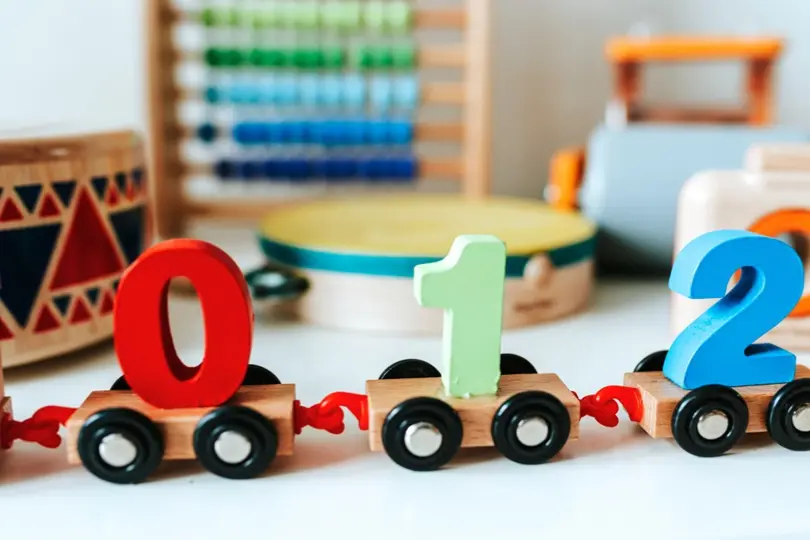
Montessori toys from The Montessori Shop often line store shelves with the promise of more than simple amusement—they claim to nurture child development and genuine learning. Many parents and educators wonder if these toys deliver unique educational benefits or simply blend in with other popular developmental items. Exploring what sets Montessori toys apart sparks a broader conversation about hands-on learning and whether these products genuinely foster independence and cognitive development for children.
What makes a toy Montessori?
Not every toy marketed as “Montessori” truly reflects the approach developed by Dr. Maria Montessori. Authentic Montessori toys are carefully crafted with specific principles—most notably simplicity, high-quality materials like wood, and open-ended opportunities for exploration. Recognizing these features is essential when seeking toys that genuinely support a child’s growth and discovery.
The hallmark traits of real Montessori toys include activities mirroring real-life experiences, clear objectives, and an emphasis on practical skills rather than entertainment alone. Whether building towers or matching shapes, each activity is designed to directly boost cognitive development and inspire a lasting love of learning. This philosophy values purpose and process over flashy design or fleeting amusement.
How do Montessori toys support child development?
Toys inspired by the Montessori method concentrate on nurturing individual abilities that lay the groundwork for lifelong progress. Every object in this world has a defined function, aiming to strengthen fine motor skills, encourage problem-solving, and help children meet new challenges at their own pace. Interacting with these tools offers ample room for young minds to explore and learn through self-directed action.
This approach honors each child’s uniqueness, promoting exploration without constant adult direction. The focus lies in establishing a prepared environment where independence and curiosity shape interaction, rather than rigid instructions. Such flexibility enhances attention spans and builds confidence through incremental successes achieved during play.
The importance of hands-on learning
Children learn best when actively engaged in meaningful experiences. Hands-on learning stands at the heart of the Montessori philosophy. Instead of merely observing or listening, children handle, arrange, and experiment with tactile objects that introduce real-world concepts in a way that makes them approachable.
Pouring water between jugs, stringing beads, or solving puzzles with geometric pieces all exemplify these interactions. Each practical exercise strengthens everyday living skills while refining movement, logic, and patience. Simple repetition with visible results leaves a deeper mark than verbal instruction alone ever could.
Cognitive and emotional growth
Montessori toys frequently enable concentrated work periods, encouraging uninterrupted exploration. Through sustained focus, children develop stronger concentration skills, which carry over into other tasks both in and out of the classroom. Working independently fosters resilience and cultivates healthy risk-taking within a supportive structure.
Mastering even basic actions—like buttoning fabric or stacking blocks—builds a sense of pride. This satisfaction fuels motivation to tackle more complex challenges and forms the foundation for enduring learning habits.
Educational benefits: Comparing genuine vs. non-genuine Montessori toys
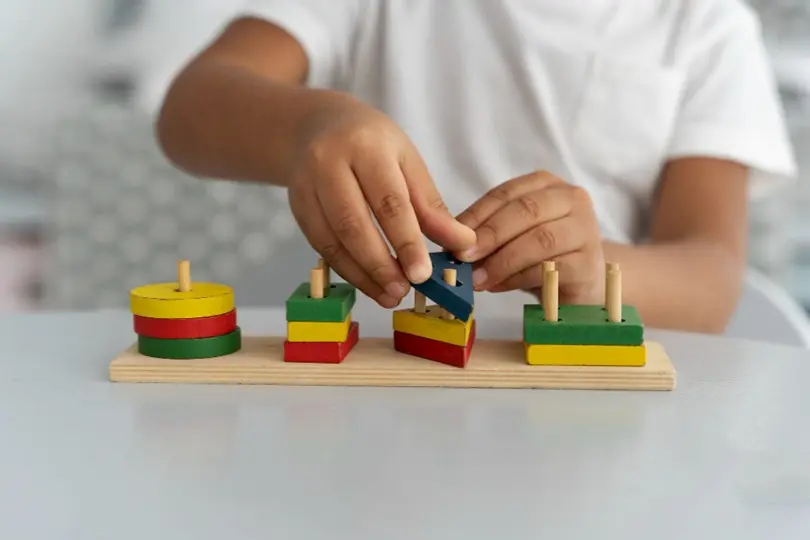
The widespread appeal of Montessori education has led many companies to label toys as Montessori, but not all provide the same value. Distinguishing authentic Montessori toys from mass-produced lookalikes is crucial for families seeking true educational benefits.
Genuine Montessori toys offer rich engagement and targeted opportunities to practice real-life skills. Their design always aims to promote independence and concentration. While imitation products may replicate the appearance, they often lack the depth needed for thoughtful play and meaningful progress.
Identifying genuine Montessori toys
A true Montessori toy focuses on one key concept at a time, minimizing distractions so children can master skills step by step. These toys typically avoid batteries and electronic sounds, allowing for pure, quiet experimentation. Crafted from natural materials such as wood or cotton, they are chosen for texture, durability, and safety.
Some visual cues for identifying genuine Montessori toys include:
- Neutral colors and simple shapes
- Materials like wood, cotton, or metal instead of bright plastics
- Toys that mimic real-life activities or tools
- No flashing lights, sounds, or digital screens
- Opportunities for repetition and adjustment by the child’s own hand
Pitfalls with non-genuine Montessori toys
Many mainstream toys marketed as Montessori only loosely connect to the original philosophy. Often, these products prioritize trend-driven looks over authentic cognitive development. Toys overloaded with colors, multiple functions, or technological features can distract from foundational skills and minimize direct learning potential.
If not carefully selected, families may choose toys that appear appealing yet fail to serve as effective learning tools. Over time, reliance on less authentic options might result in quicker boredom, reduced engagement, and fewer chances for true independent progression.
Fostering independence and a love of learning
One standout quality of well-designed Montessori toys lies in their ability to grant choice and autonomy. By supporting decision-making and trial-and-error, these items quietly build confidence and perseverance. Small accomplishments, like locking a latch or threading a needle, naturally increase a child’s readiness to embrace new challenges.
As play unfolds, children cultivate patience and deeper concentration. Rather than seeking instant excitement or adult guidance, they find joy in quiet discovery. This gentle encouragement of self-motivation lays strong foundations for future academic success and creative thinking.
Everyday examples of Montessori-friendly play
Applying Montessori techniques at home does not require costly or elaborate equipment. Everyday household tasks can become valuable opportunities for hands-on learning and skill development consistent with the Montessori approach.
Simple chores like sweeping, watering plants, mixing batter, or sorting laundry invite children to participate in meaningful work. These activities resemble those found in Montessori classrooms and prove that a love of learning flourishes everywhere—not just with labeled toys.
Why Montessori toys stand out in supporting child development?
Montessori-style toys have earned recognition because they reliably deliver genuine benefits. Through natural materials, uncluttered designs, and intentional use, these objects directly support fine motor skills, logical reasoning, and emotional maturity—all while preserving the joy of discovery.
Whether featured in a thoughtfully organized classroom or a family living room, these tools offer far more than passing entertainment. Each serves a deliberate role in the journey toward independence, sparking curiosity and proving that playtime holds tremendous potential at every stage of childhood.
Photo Credit:
Photo 1, Credit to FreePik || Photo 2, Credit to Freepik (CC0 1.0)