Last Updated: 5th June, 2026
TL;DR: Dental implants and dentures both replace missing teeth, but they work very differently over time. Implants fuse to the jawbone, preserve bone density, and can last 20+ years. Dentures are cheaper upfront, but typically need replacement every 5-7 years as the jaw changes shape beneath them. The right choice depends on your bone health, budget, and how many teeth need replacing.
You are probably wondering about ways to replace missing teeth if you have a couple of them missing.
The most popular options are implants and dentures, but which one is better?
The first thing you will need to do is consult an implant dentist, and you can check our website to get all the necessary information.
Here, we will go through the differences, advantages, and disadvantages of these two methods and see which option is the best for you.
What Are Dental Implants?
The first thing we need to answer is what dental implants are. When a person experiences tooth loss, they might want to have an option to replace missing teeth.
That is, replacements are the best option when repairing the tooth is impossible (or after extraction). And the method is quite simple.
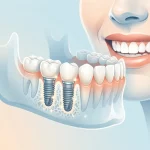
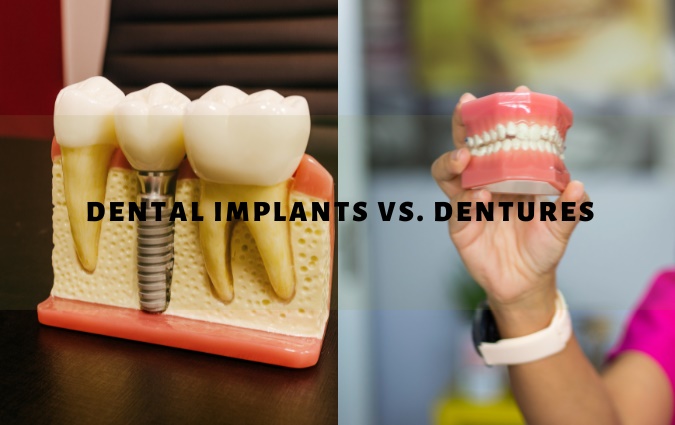
Instead of the root, the dentist will place a screw in the jaw, and on top of it, they will put a dental implant.
Teeth implants are designed to look like natural teeth, and they won’t be any different. At least visually.
In some cases, the implant site might require grafting, which is a process of replacing the missing or deteriorated piece of the bone. Dental implant surgery is incredible, and the artificial tooth will look and feel like the real one.
Furthermore, it is a permanent solution that will allow people to eat and live without any issues.
What Are Dentures?
Dentures and implants have the same goal, and both will do a great job of replacing missing teeth. The main difference, and the most obvious one, is that dentures are removable.
There are a few different types of dentures available. The biggest difference is between complete and partial dentures. Complete dentures are designed to replace all teeth, and partial ones are made to replace only the teeth that are missing.
There is no need to remove every other tooth in the jaw, and they are attached to the natural teeth. These are often connected via the dental bridge, and they require at least one natural tooth to stay in place.
Based on the patient’s budget, number of teeth, health, and other factors, the doctor will suggest one of these two tooth replacement options.
Pros and Cons of Dental Implants vs. Dentures
So, the question is which one of these two methods is better. Both have their own pros and cons, and not everyone is a candidate for implants.
Sometimes, the choice will be nonexistent since one option will be unavailable. Let’s take a look at the pros and cons of dentures vs. dental implants.
The Pros and Cons of Implants
Implant dentistry has improved a lot in the past couple of decades, and today, implants look amazing. They will feel like real teeth, and there won’t be much of a difference in their physical appearance.
Since tooth implants are permanent, the patient won’t have any problems with speech. Additionally, they will be able to eat as if they had real teeth, and it will do wonders for their self-esteem.
Most importantly, dental implants are durable. They can last for a lifetime with proper oral hygiene, and you won’t need to worry about anything. The main problem is the price.
Many people are not able to afford dental implants, and they are significantly more expensive compared to alternatives.
In addition, the entire process might seem too long, and you will need to plan for everything properly. Of course, removing teeth and installing screws and implants can be painful too. While the entire surgical procedure is done under anesthesia, you will still need time to recover fully.
The Pros and Cons of Dentures
For many people, the main advantage of dentures is that they are a cheaper option. Furthermore, installing dentures does not require surgery.
The process is quite simple, and you will be done in no time. The majority of dentures you can find can be easily placed or removed, and maintenance is quite simple.
Of course, dentures come with their downsides as well. It is possible that you might need to replace them at one point since the material will wear out with use.
It is also worth noting that the shape of the jaw might change over time, which means that you’ll need to replace dentures as well.
One of the many pros of dentures is that you can remove them, but at the same time, it can be a drawback too. Constantly removing dentures means that they might loosen with time.
As with implants, there are many different options you can find, and the dentist will propose one based on the specific situation.
Which One Is Better?
Saying that one method of replacing missing teeth is better than the other would be wrong. As you can see, each has its own pros and cons. Dental implants look amazing and feel like real teeth, and the solution is permanent.
The decision gets a lot clearer when you understand what each option actually does to your jawbone over time. Implants preserve the bone beneath the missing tooth by mimicking a natural root. Dentures sit on top of the gum without stimulating the bone, so the jaw gradually shrinks beneath them, which is why denture fit changes over the years, and replacements become necessary.
If you want to understand the full clinical picture before making a decision, our complete guide to oral surgery procedures and recovery covers exactly how implant placement works, what bone grafting involves, and what to realistically expect from the process, including timelines and the questions worth asking your surgeon before you commit.
They are rather durable, and the quality is incredible. But at the same time, the price can be too high for so many people. And if you aim at replacing all teeth, the total price will skyrocket.
If you can’t afford to get implants, dentures will be a great alternative. They will still allow you to eat properly and have a normal life, even if you get removable ones.
Moreover, removable dentures are easier to clean, and you’ll ensure that they are in perfect condition whenever you use them.
Frequently Asked Questions
How Long Do Dental Implants Last Compared to Dentures?
Implants last significantly longer. A five-year retrospective study published in PMC found an overall implant survival rate of 92.5%, with 20-year survival rates above 90% in well-maintained cases. Dentures, by contrast, typically need to be replaced or significantly adjusted every 5-7 years as the jawbone changes shape beneath them — meaning the long-term cost of dentures is higher than the upfront price suggests.
Do Dentures Cause Bone Loss in the Jaw?
Yes, and this is one of the most clinically important differences between the two options. When a tooth root is missing, the jawbone beneath it gradually shrinks — a process called bone resorption. Dental implants prevent this by acting like a natural root and stimulating the bone. Dentures rest on the gums without providing that stimulation, so bone loss continues beneath them over time, which changes the fit and can eventually alter facial structure.
Can Everyone Get Dental Implants, or Are Some People Not Candidates?
Not everyone qualifies immediately. Sufficient jawbone volume is the main prerequisite — the implant post needs healthy bone around it to fuse successfully. Patients who’ve had missing teeth for years often have significant bone loss and need a bone graft first, which adds several months to the timeline. Smokers, people with uncontrolled diabetes, and patients on certain medications (particularly bisphosphonates for osteoporosis) face higher complication risks. Our guide to oral surgery procedures covers the candidacy factors and what bone grafting involves in plain language.
Are Dental Implants Worth the Higher Upfront Cost?
For most patients with adequate bone health, yes, over a 15-20 year period. Dentures typically require replacement every 5-7 years, plus ongoing costs for adhesives, relining, and adjustments. Implants require routine dental maintenance but rarely need replacement once osseointegration is complete. The long-term math often favors implants, though the higher upfront cost and surgical requirement are legitimate reasons many patients choose dentures instead.
What’s the Difference Between Partial Dentures and Full Dentures?
Full dentures replace an entire arch of teeth, upper, lower, or both, and are held in place by suction against the gums. Partial dentures replace only specific missing teeth and attach to remaining natural teeth via clasps or a dental bridge. A 2024 systematic review found prosthetic survival rates of 91.7-95.1% at 5 years for conventional partial dentures when strict clinical protocols were followed. Partial dentures are generally a better fit option than full dentures because natural teeth help anchor them in place.
What to Do?
The smartest thing to do is consult your dentist. They will be able to see the condition of your teeth and gums, and they will propose the best possible solution.
You can also explain your financial situation and whether you can pay for implants.
As we mentioned earlier, there are cases when installing implants is not possible, which is something you should know before you start planning.
About The Author:
Gilbert D. Curtis, DDS, is an associate professor at the University of Connecticut School of Dental Medicine. He teaches both in the undergraduate Doctor of Dental Medicine curriculum and the Advanced Education General Dentistry Residency.