
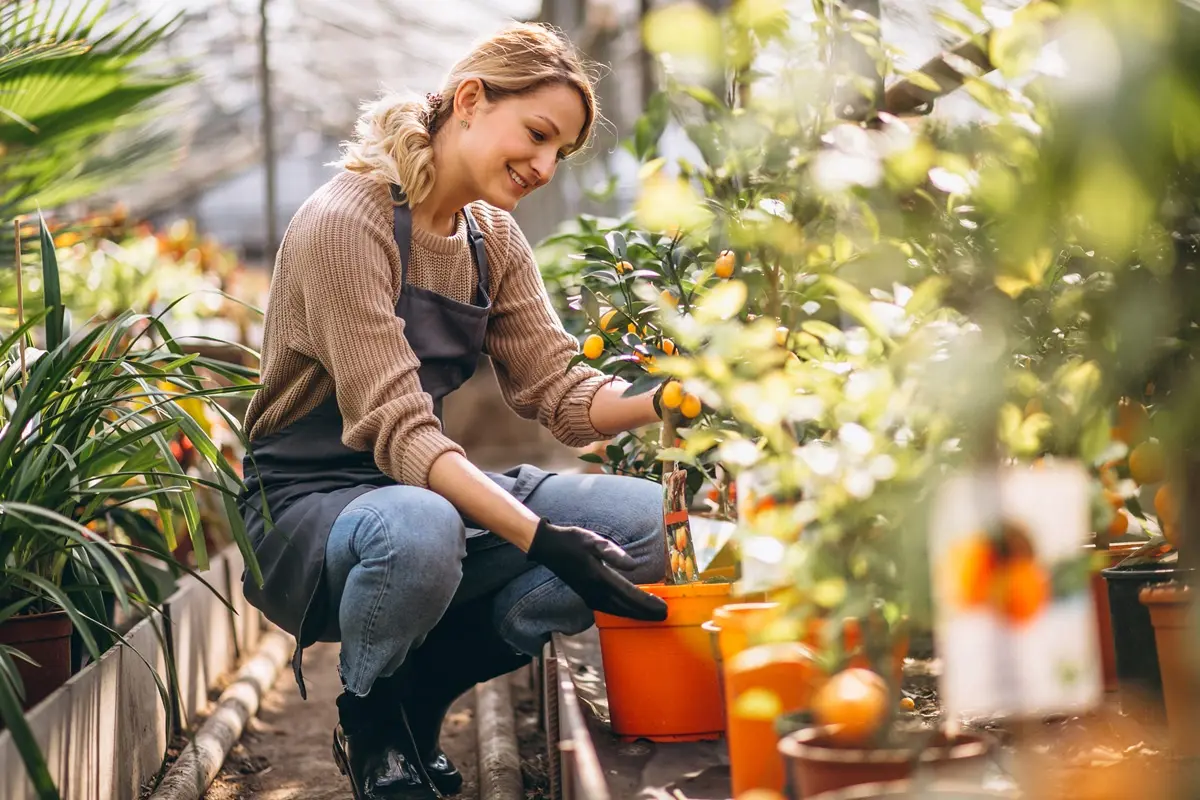
TL;DR: Functional wellness gardening is a purposeful way to “hack” your biology to lower stress and improve mental clarity. By choosing specific plants that trigger calming sensory responses, you can create a sanctuary that restores your nervous system. This post explores the science of healing spaces and how to build one. Read the full guide to transform your backyard area into a healing garden to begin today.
Did you know that spending just 20 minutes in a green space can significantly lower your cortisol levels? Most people view their backyards as a list of chores, but in 2026, we are changing the narrative. We are talking about Functional Wellness Gardening.
This isn’t just about planting pretty flowers. It is about biological bio-hacking. By using nature as a tool, you can actually reprogram your body’s stress response. I’ve seen this transformation in my own life. When I moved from a “perfectionist” garden to a functional one, my morning routine changed from frantic to focused. I stopped worrying about weeds and started focusing on how the lavender scent hit my nervous system. If you are looking for new stress management strategies, your backyard is the best place to start.
What is Functional Wellness Gardening?
Functional wellness gardening is the practice of designing a green space specifically to improve human health. Unlike traditional gardening, it focuses on plants and layouts that provide measurable biological benefits, such as reduced blood pressure, better sleep, and lower anxiety through sensory and chemical interactions.
When you focus on function, every plant has a job. You aren’t just looking for color. You are looking for evidence-based benefits that healing gardens provide, like improved cognitive function and immune system support. It is a shift from an “ornamental” mindset to a “utilitarian” one. You are essentially building a natural pharmacy right outside your door.
How Does a Healing Garden Bio-Hack Your Stress?
A healing garden bio-hacks stress by triggering the parasympathetic nervous system through “soft fascination.” This occurs when the brain focuses on natural patterns (fractals) and scents like linalool from lavender, which physically signals the adrenal glands to stop producing cortisol and start producing calming neurotransmitters.
The science behind this is fascinating. Plants release organic compounds called phytoncides to protect themselves from insects. When we breathe these in, our bodies respond by increasing the activity of “Natural Killer” cells, which boost our immune system and lower stress hormones. By strategically placing aromatic plants near your seating area, you create a “passive healing” zone that works on your biology while you simply sit and breathe. This is a massive win for mental health awareness.
The “Senses Reset” Plant Selection
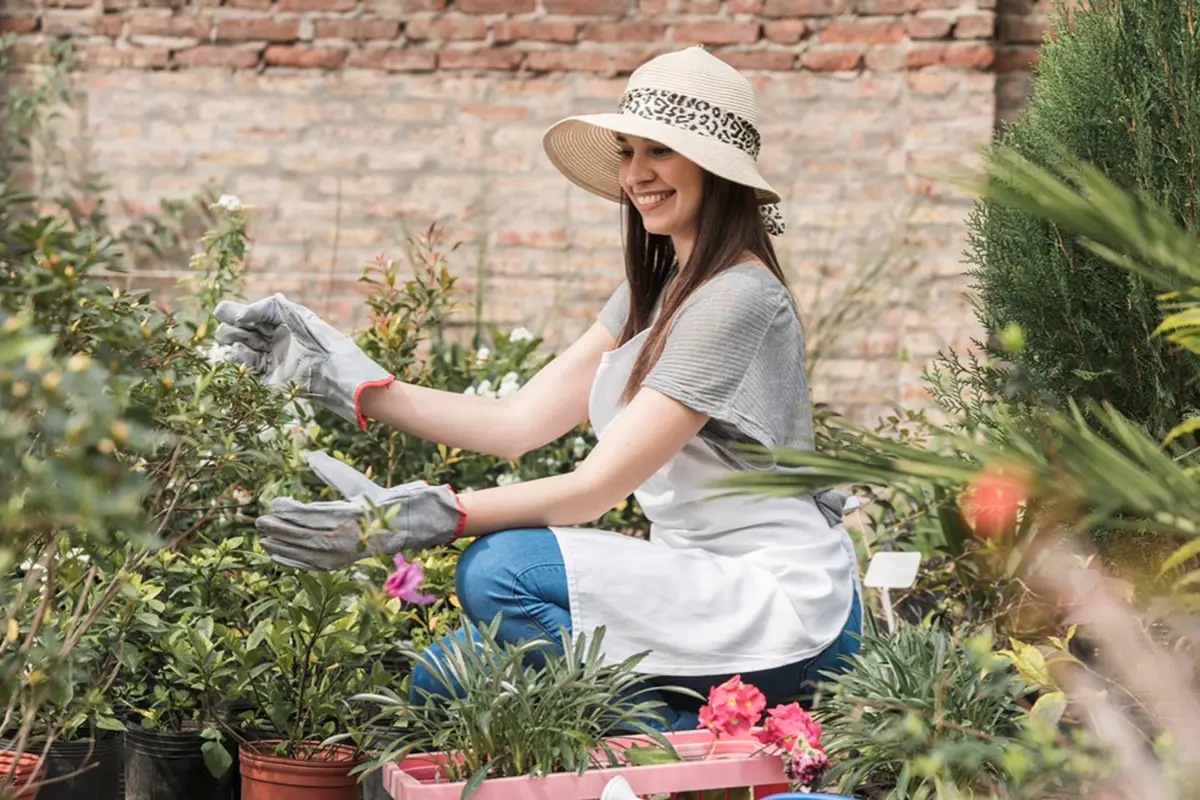
To truly bio-hack your health, you need to select “Edimentals” (plants that are both edible and ornamental). This allows you to engage all five senses. For example, planting rosemary provides a visual green pop, a wonderful woody scent, and a culinary herb for growing healthy food.
According to recent trends in edible landscapes, the best functional plants for 2026 include:
- Lavender: The gold standard for anxiety. Research shows that linalool vapor has a direct anti-anxiety effect when inhaled.
- Peppermint: Perfect for a mid-day focus boost. I keep a pot of this on my balcony to rub between my fingers during stressful work calls.
- Lamb’s Ear: This plant is all about texture. Its soft, velvet-like leaves encourage “grounding” through touch.
- Chamomile: A visual and chemical relaxant. Its daisy-like flowers reduce visual clutter in the brain.
Can You Create a Healing Garden in a Small Space?
Yes, you can create a healing garden in a small space by using vertical planters, balcony herb boxes, and sensory containers. For those incorporating botanicals with more specialized uses, starting with quality weed seeds or other reputable plant sources ensures strong, resilient growth. Even a single square foot of lavender or rosemary provides enough aromatic compounds to offer biological stress-relief benefits, proving that intention matters more than acreage.
You don’t need a sprawling estate to see results. A study found that even interacting with small indoor plants can reduce psychological stress compared to mental tasks. If you live in an apartment, focus on a “sensory windowsill.” Use tiered shelving to maximize sunlight and place your most fragrant herbs at nose level. This ensures you get a “dose” of nature every time you open the window.
Designing for the “Flow State”: Layout Tips
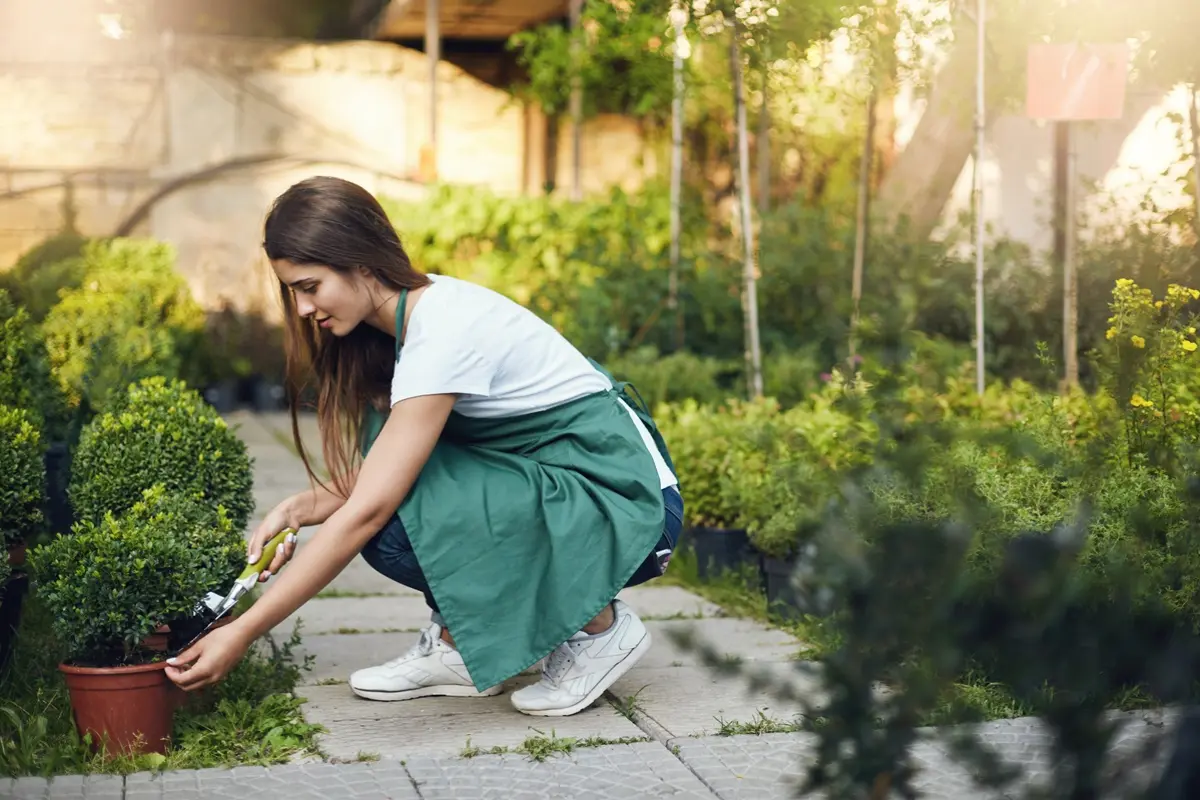
The layout of your garden determines how easily you can enter a “flow state” or a meditative trance. Modern mindfulness exercises often include nature immersion, and your garden design can facilitate this.
Avoid straight lines and sharp corners. In nature, curves are the norm. Use stepping stones to create a winding path that forces you to slow your walking pace. Place your seating in a “nook” or “alcove” created by taller shrubs. This creates a psychological feeling of safety (the “Prospect-Refuge” theory), which allows your nervous system to fully relax. Adding a small water feature provides “pink noise,” which masks distracting sounds and keeps you grounded in the present moment.
Maintenance as a Mindful Bio-Hack
We usually think of weeding and pruning as work. But if you change your perspective, maintenance becomes a ritual. Getting your hands dirty is actually a biological antidepressant. Soil contains a natural bacterium called Mycobacterium vaccae, which mirrors the effect of drugs like Prozac by stimulating serotonin production in the brain.
This is why gardening is such a powerful way to stay active outdoors. Instead of rushing through the tasks, try “rhythmic pruning.” Focus on the sound of the shears and the feel of the stems. This repetitive, gentle movement helps the brain enter an alpha-wave state, which is associated with deep relaxation and creativity.
Conclusion
Creating a functional wellness garden is one of the most effective ways to take control of your health in a high-stress world. By selecting plants that interact with your biology and designing for sensory reset, you turn your outdoor space into a powerful medical tool. Remember, you don’t need a green thumb to start; you just need the intention to heal. Start small, focus on the senses, and watch your stress levels drop.
Frequently Asked Questions
Q. What are the best plants for a stress-relief garden?
A. The best plants include lavender for its anti-anxiety scent, peppermint for mental clarity, and chamomile for visual and physical relaxation. Choosing “edimental” plants that offer both beauty and function provides the highest wellness ROI.
Q. How long do I need to spend in my garden to see health benefits?
A. Research suggests that a minimum of 120 minutes per week in nature is the threshold for significant health and well-being benefits. This can be broken down into small 20-minute daily sessions.
Q. What is a “sensory garden” for anxiety?
A. A sensory garden is a space designed to engage all five senses. For anxiety, it focuses on “soft” sensory inputs like muted colors, gentle fragrances, and soft textures to calm an overactive nervous system.
Q. Do I need special soil for a wellness garden?
A. While most plants thrive in standard organic soil, ensuring your soil is free of chemicals is vital if you plan to use your herbs for teas or salves. Healthy soil also contains beneficial bacteria that can improve your mood through physical contact.
Q. Is gardening a form of therapy?
A. Yes, horticultural therapy is a recognized practice. It uses gardening tasks to improve mental and physical health by reducing cortisol, increasing serotonin, and providing a sense of purpose and accomplishment.
About The Author:
Mark is a keen gardener, a DIY addict, and a father of two beautiful girls. He is originally from Perth and is a true Eagles fan.
Photo Credit:
Photo 1, Designed by FreePik || Photo 2, Designed by FreePik || Photo 3, Designed by FreePik (CC0 1.0)