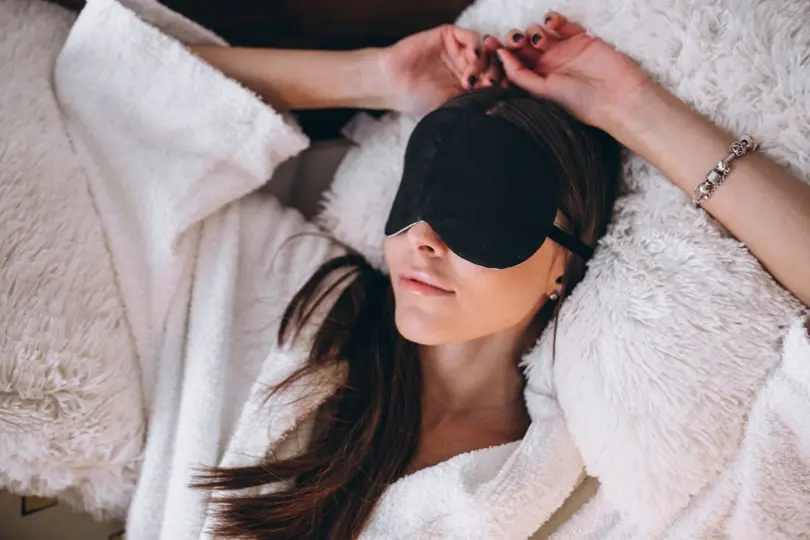
Quality sleep depends on many factors, consistent routines, a quiet environment, and stress management, but one of the most overlooked is light exposure. Even small amounts of ambient light from street lamps, digital clocks, or under-door gaps can suppress melatonin production, delay sleep onset, and fragment deep sleep cycles. For those looking to improve their nighttime routine, choosing the best eye mask for sleep can make a significant difference in overall rest, recovery, and next-day alertness.
Sleep science confirms that darkness isn’t just comforting, it’s biologically essential. Yet not all eye masks are created equal. Some leak light, others irritate sensitive skin, and many simply slip off during the night. The right mask should disappear the moment you put it on, blocking light without pressure, heat, or distraction.
Why Darkness Is Essential for Deep Sleep
Melatonin, the hormone that regulates sleep-wake cycles, is triggered by darkness and suppressed by light, especially blue wavelengths from LEDs and screens. Even low-level light exposure during sleep has been linked to reduced REM duration, increased nighttime awakenings, and long-term health risks like insulin resistance and mood disorders.
For urban dwellers, shift workers, or anyone sharing a room with a partner who keeps late hours, controlling light is often impossible. An effective sleep mask becomes a simple, non-invasive tool to reclaim total darkness, mimicking the natural conditions our brains evolved to require for restorative rest.
What Makes the Best Eye Mask for Sleep?
Total Light Blocking
The hallmark of a high-performance sleep mask is complete blackout.
Look for:
- Contoured designs that arch over the eyes without touching lashes
- Adjustable straps (ideally soft, wide, and elastic-free) to prevent slippage
- A proper facial seal around the nose bridge and temples to eliminate light leaks
Flat, one-size-fits-all masks rarely block peripheral light effectively—especially for side sleepers.
Breathable, Skin-Friendly Materials
Fabric choice directly impacts comfort and skin health:
- Silk (especially mulberry silk) is naturally hypoallergenic, temperature-regulating, and gentle on hair and skin
- Cotton is breathable and affordable, but it may absorb moisture and wrinkle easily
- Synthetics (like polyester) can trap heat and irritate sensitive skin
Avoid rough seams, chemical dyes, or stiff linings that cause friction or breakouts.
Comfort and Fit
A great mask should feel weightless.
Key features include:
- Pressure-free construction that doesn’t press on the eyeballs
- Lash-friendly depth to prevent smudging or discomfort
- Side-sleeper compatibility—flexible edges that don’t dig into cheeks
Memory foam or 3D ergonomic shapes often outperform flat fabric rectangles.
Benefits of Using a High-Quality Sleep Mask
- Faster sleep onset: Darkness signals the brain to wind down
- Deeper REM cycles: Uninterrupted melatonin supports dream-rich sleep
- Fewer early awakenings: Blocks sunrise or hallway light
- Travel convenience: Creates instant darkness on planes, trains, or bright hotel rooms
- Daytime sleep support: Essential for night-shift workers, new parents, or nap-takers
Studies show consistent use can improve subjective sleep quality by up to 30% in light-sensitive individuals.
Common Mistakes When Buying a Sleep Mask
- Choosing based on price alone: Ultra-cheap masks often use thin fabric and poor stitching
- Ignoring strap design: Thin elastic bands cause headaches and slip off
- Overlooking fabric sensitivity: Synthetic blends may trigger eczema or acne
- Not considering sleep position: Side sleepers need flexible, non-compressive designs
A $5 mask might seem economical—but if it’s unused because it’s uncomfortable, it’s a wasted investment.
Who Should Consider an Eye Mask?
- Light-sensitive sleepers who wake at the slightest glow
- Frequent travelers battling jet lag and unfamiliar lighting
- New parents trying to nap during daylight hours
- Night-shift professionals needing daytime sleep in sunlit bedrooms
- Meditation and relaxation practitioners seeking sensory reduction
It’s also beneficial for migraine sufferers and those using light therapy in the morning who want to avoid premature exposure.
How to Incorporate an Eye Mask into a Healthy Sleep Routine
Pair your mask with other evidence-based habits:
- Maintain a consistent sleep schedule, even on weekends
- Limit screen exposure 1–2 hours before bed
- Create a calming bedtime ritual (e.g., reading, gentle stretching)
- Combine with white noise machines or lavender aromatherapy for multi-sensory relaxation
Wash your mask weekly to prevent bacteria buildup—especially if you have acne-prone skin.
Are Premium Sleep Masks Worth It?
Often, yes. Higher-end masks typically offer:
- Superior durability (stitching, strap integrity, shape retention)
- Luxury fabrics like OEKO-TEX certified silk or organic cotton
- Thoughtful ergonomics developed with sleep experts
- Better cost-per-use: A $40 mask used nightly for 2 years costs less than $0.06 per night
When sleep is your foundation for health, investing in tools that protect it pays dividends in energy, focus, and well-being.
Conclusion
The best eye mask for sleep isn’t about aesthetics—it’s about function, comfort, and consistency. Prioritize total light blocking, breathable materials, and a fit that respects your sleep position. Whether you’re a city dweller battling streetlights or a nurse catching daytime naps, the right mask can transform fragmented rest into deep, restorative sleep. Don’t settle for a flimsy accessory. Choose thoughtfully, and give your brain the darkness it needs to truly recharge.
Photo Credit:
Photo 1, Credit to Freepik || Photo 2, Credit to Freepik (CC0 1.0)