
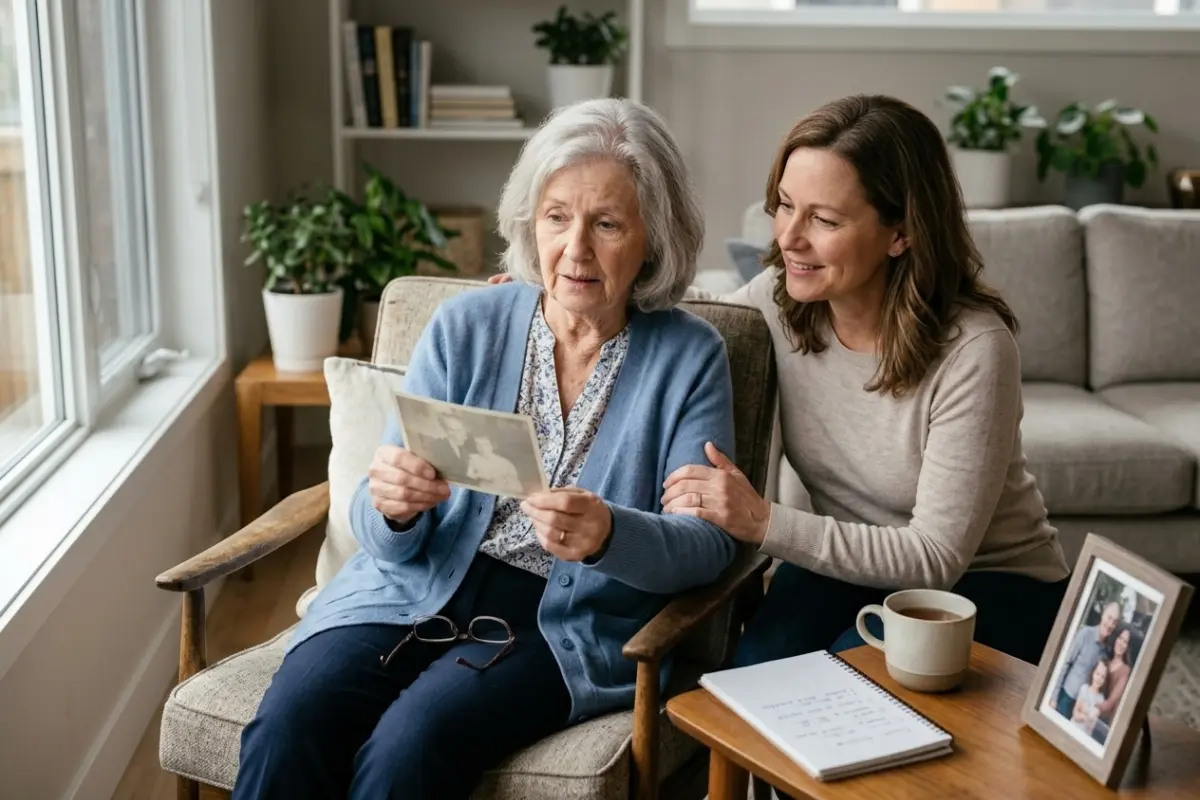
A diagnosis of Alzheimer’s disease, dementia, or another form of progressive cognitive decline is a life-altering event for both the individual and their family. As the condition advances, the level of care required to maintain safety, dignity, and quality of life often exceeds what can be provided at home. This is where specialized memory care communities become essential. Navigating these options can be challenging, but utilizing professional senior placement services Southwest Florida can help families find the right environment for their loved ones.
What Makes Memory Care Unique?
Memory care is not simply assisted living with locked doors. It is a highly specialized, distinct form of long-term care designed specifically to meet the unique needs of individuals with cognitive impairment. These communities are structured from the ground up to minimize confusion, reduce anxiety, and promote a sense of security and well-being.
One of the most significant differences is the physical environment. Memory care neighborhoods are typically designed with circular hallways to prevent residents from reaching frustrating dead ends, color-coded doors to help with navigation, and secure outdoor courtyards that allow residents to enjoy fresh air safely.
Additionally, the staff-to-resident ratio is usually higher than in standard assisted living, ensuring that residents receive the close supervision and personalized attention they require.
The Importance of Specialized Programming
In a dedicated memory care community, staff carefully design daily activities to stimulate cognitive function and encourage social engagement. Rather than generic entertainment, programs are tailored to the individual’s life history, interests, and remaining abilities. Sensory therapy, music and art programs, and reminiscence therapy commonly help residents connect with their memories and express themselves.
These structured routines provide a comforting sense of predictability. For someone experiencing memory loss, knowing what to expect next can significantly reduce behavioral symptoms such as agitation, wandering, and sundowning. Caregivers in these environments are specifically trained in dementia care techniques, learning how to communicate effectively, redirect behavior gently, and validate the resident’s reality rather than correcting them.
Evaluating Memory Care Communities
When touring potential memory care facilities, families should look for specific indicators of quality care. Observe the interactions between staff and residents, are the caregivers patient, warm, and respectful? Ask about the specific training the staff receives regarding dementia and behavioral management. It is also important to inquire about the community’s philosophy of care: do they focus on what the resident can still do, rather than what they have lost?
Safety features are another critical consideration. Ensure the community has secure entry and exit points, emergency response systems in every room, and a layout that minimizes fall risks. Finally, look at the dining experience. Many memory care communities offer specialized dining programs, such as finger-food menus for residents who struggle with utensils, to help them maintain their independence during meals.
Supporting the Family Caregiver
It is vital to recognize that dementia care affects the entire family, not just the individual diagnosed. Family caregivers often experience high levels of stress, physical exhaustion, and emotional burnout. Transitioning a loved one to a professional memory care community is not a sign of failure; rather, it is a step that ensures they receive round-the-clock professional care while allowing family members to return to being supportive daughters, sons, or spouses. Many communities offer support groups, educational workshops, and respite care options to help families navigate this emotional transition and find a community of peers who understand their journey.
Finding the Right Fit for Your Family
Every individual’s journey with dementia is unique, and a community that is perfect for one person may not be the right fit for another. Factors such as the stage of the disease, budget, geographic location, and specific medical needs all play a role in the decision. Partnering with a local placement advisor who understands the Southwest Florida senior care landscape can alleviate the burden of this search, guiding you toward communities that offer the exact level of care and support your loved one deserves.
About The Author:
Elena Swan is a freelance health and wellness writer specializing in mental illness. She likes researching complex health topics and presenting the information in a way that everyday people can understand so they can apply it to their own lives. View her portfolio at elenaswanwrites.com.