Organic honey does not start in a jar. It begins with the biology of a superorganism that forages across a landscape free from prohibited chemicals and returns to a hive managed with practices that protect both bees and ecosystem health. Understanding the science behind organic production clarifies why the standards are strict and why the final product can offer distinct advantages for consumers, beekeepers, and the environment.
What “Organic” Means in a Honey Context
Organic certification is not a flavor label. A system claims that the entire production chain meets defined requirements. For honey, that chain includes forage sources, hive placement, colony management, extraction, and packaging. At the landscape level, organic apiaries must be sited where nectar and pollen sources are not contaminated by synthetic pesticides or genetically engineered crops within a substantial foraging radius. At the hive level, beekeepers avoid prohibited substances, including many miticides and antibiotics, and instead rely on non‑synthetic methods to manage pests and disease. During harvest and processing, equipment must be cleaned with approved agents, and honey cannot be heated to extremes that could degrade enzymes or aromatic compounds.
While specific details vary by country and certifier, these principles reflect a single scientific reality. Honeybees concentrate on what the landscape offers. If the forage is clean and management is careful, residues in honey and wax are less likely, and the hive functions more like the native pollinator systems it evolved alongside.
Colony Biology Supports Organic Aims
A honeybee colony operates like a finely tuned metabolic engine. Foragers collect nectar and pollen, sharing them via trophallaxis and depositing them in cells where enzymes and evaporation transform nectar into honey. The colony’s ability to ripen honey depends on temperature, humidity, and ventilation. Organic management leans into those natural controls rather than leaning first on chemical interventions. For example, maintaining strong colonies with young queens and ample drone genetics supports hygienic behavior that helps bees identify and remove diseased brood. Providing comb rotation, adequate nutrition during dearth, and careful spacing minimizes stress that can suppress immunity.
These biological strategies reinforce each other. Healthier colonies regulate brood‑nest temperature more precisely, which keeps enzyme systems efficient and reduces chalkbrood and other opportunists. A robust microbiome in the gut and in stored bee bread supports nutrient assimilation, which in turn improves detoxification pathways. The science is straightforward. When stressors fall, immune function rises, and bees are better able to resist pests and pathogens without routine synthetic inputs.
Managing Varroa Without Prohibited Chemicals
The critical pressure point in modern beekeeping is still Varroa destructor. Organic programs do not ignore Varroa. They manage it with a toolbox that favors biotechnical controls and a narrow set of allowed substances. Drone brood removal, screened bottom boards, brood breaks via queen caging or splitting, and precise timing around nectar flows all reduce mite reproduction. When a treatment is warranted, organic operations may use naturally derived options like formic or oxalic acid, applied according to label directions and temperature thresholds. These acids occur in nature and leave minimal residue when used correctly. The goal is not to avoid all action but to avoid residues that accumulate in combs and contaminate wax and honey. Integrating mite counts into routine inspections ensures that any intervention is based on data, not habit.
Organic programs also encourage genetic approaches. Selecting queens from colonies that demonstrate mite‑resistant traits, such as Varroa sensitive hygiene, can gradually shift apiary‑wide tolerance. Over time, genetic and management gains compound, reducing the frequency and intensity of interventions.
Harvest and Processing Preserve Nutritional Quality
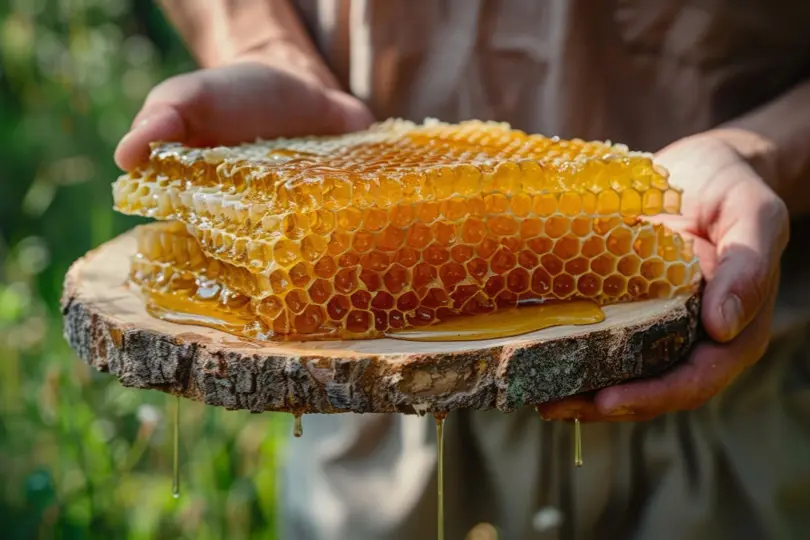
Honey is more than sugar. It contains trace enzymes like invertase and glucose oxidase, organic acids that shape flavor, minerals, antioxidants, and volatile compounds that carry floral aroma. Gentle extraction protects these components. Frames are uncapped with warmed knives or steam, not harsh chemicals. Honey is spun at moderate speeds, settled or lightly filtered to remove wax and debris, and stored in food‑grade containers away from light and heat. Excessive heating can create hydroxymethylfurfural and flatten the sensory profile, so organic producers avoid high temperatures unless bottling requires brief warming to prevent crystallization.
These steps keep natural enzymatic and aromatic complexity intact. Consumers experience that as a fuller, region‑specific flavor and a pleasant texture that may crystallize more slowly depending on the floral source. From a nutrition perspective, careful handling retains more of the minor constituents that make honey distinct from refined sweeteners.
Practical Tools That Support Organic Outcomes
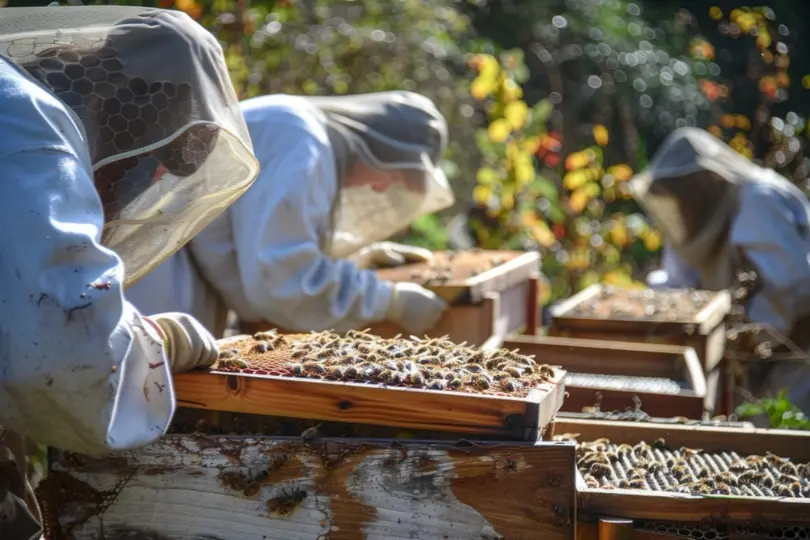
Day‑to‑day choices in the bee yard make organic principles tangible. Clean foundation, quality smokers and fuels, sharp uncapping knives, and well-designed extractors reduce contamination risk and shorten the time bees spend open and disturbed. Thoughtful record‑keeping allows beekeepers to link forage conditions, mite counts, and harvest timing to honey quality and colony health. For many operations, upgrading core gear is the simplest way to raise standards. Investing in durable, food‑grade equipment and thoughtfully chosen beekeeping supplies streamlines inspections and harvest, which minimizes stress on bees and helps ensure that honey remains unadulterated from hive to jar.
Environmental and Community Benefits
Organic honey production does more than protect a single colony. It incentivizes landowners, farmers, and municipalities to reduce pesticide use, plant native forage, and maintain hedgerows and riparian buffers. These landscape improvements help an entire guild of pollinators, from bumble bees to solitary specialists. Clean forage corridors support birds, beneficial insects, and soil organisms that thrive in more diverse plantings. For communities, organic apiaries can serve as educational hubs, demonstrating how food systems and wild ecosystems intersect. When neighbors see that attractive, functional plantings reduce the need for chemical controls, practices can shift beyond the boundaries of the apiary.
Why Consumers Choose Organic Honey
People buy organic honey for different reasons. Some value the lower likelihood of synthetic residues and antibiotics. Others seek terroir, the expression of local flora in a food that is minimally altered. Still others want to support production that rewards biodiversity and reduces environmental load. Whatever the motivation, the science behind organic practices offers reassurance. The product reflects cleaner forage and more careful stewardship, not just a marketing claim.
Conclusion
Organic honey production is a science‑guided approach to stewardship. It aligns colony biology with clean forage, data‑driven health management, and gentle processing so the final product remains close to what bees create. The benefits extend from the jar back into the landscape, encouraging healthier colonies and more resilient habitats. By understanding how organic practices work, beekeepers and consumers can make choices that support bees, ecosystems, and a higher standard of honey.
Photo Credit:
Photo 1, Credit to Freepik || Photo 2, Credit to Freepik (CC0 1.0)